1883–1944
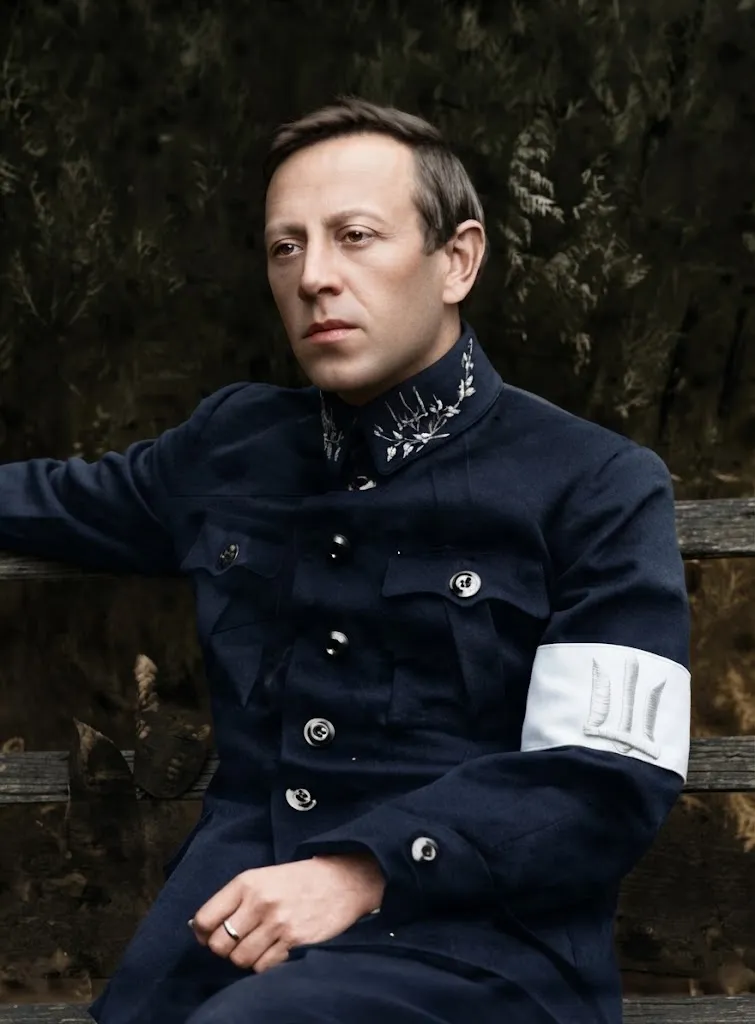
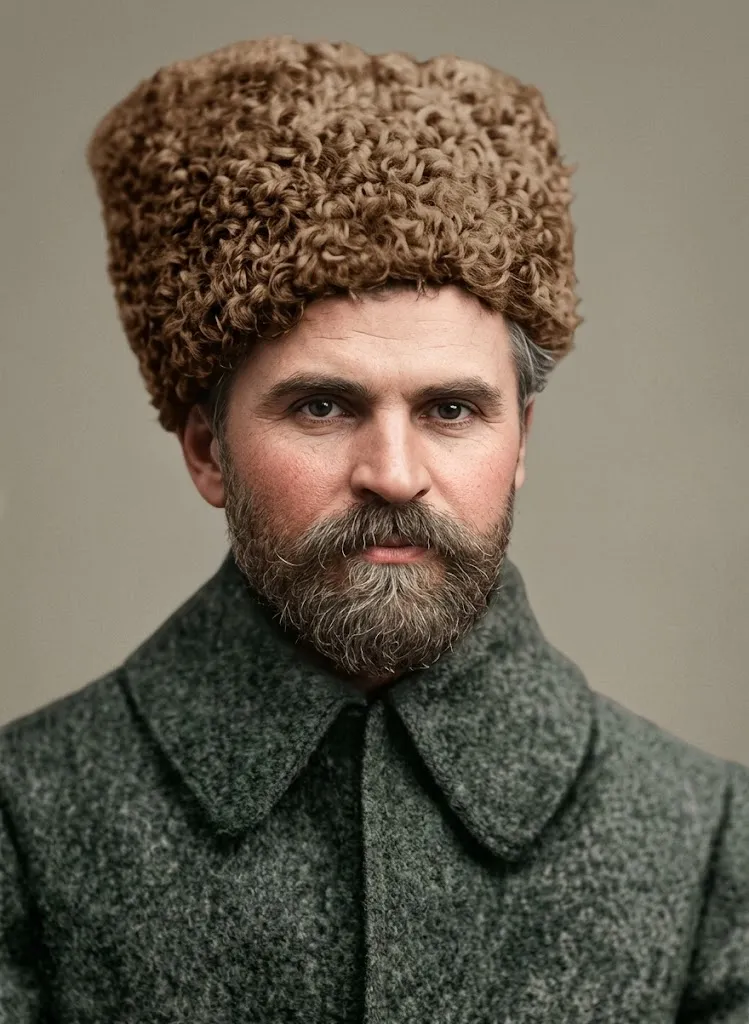
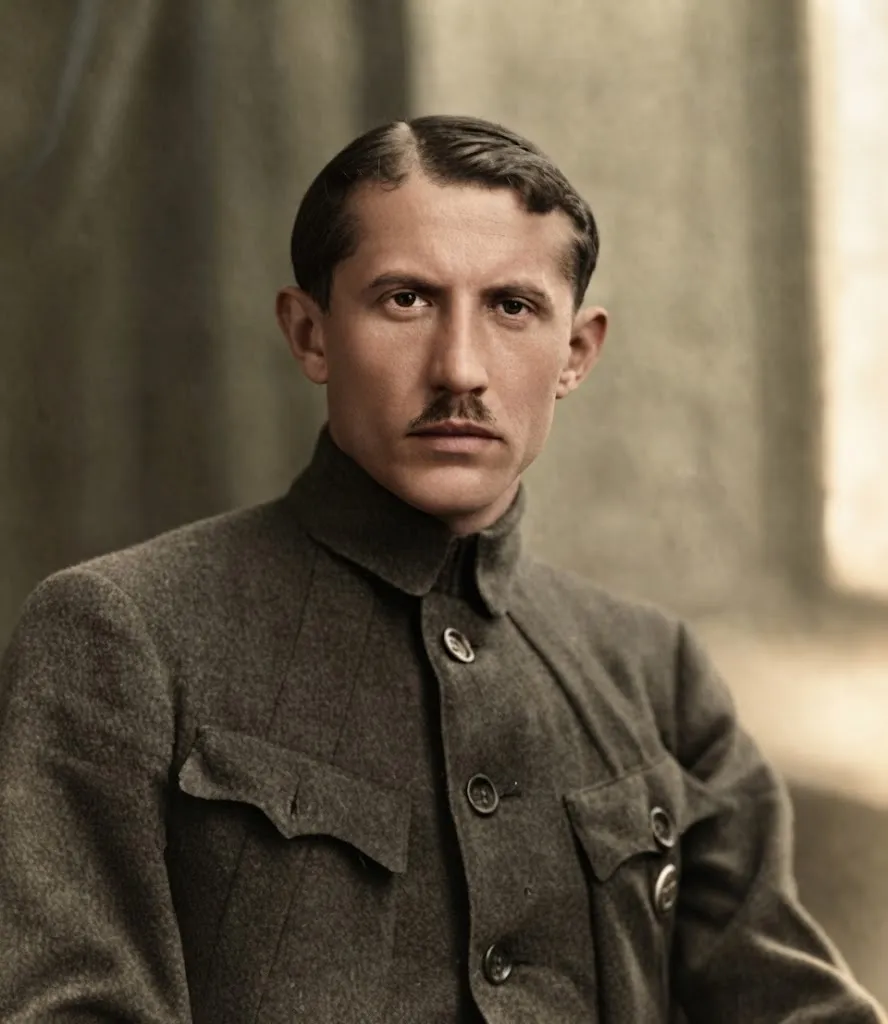
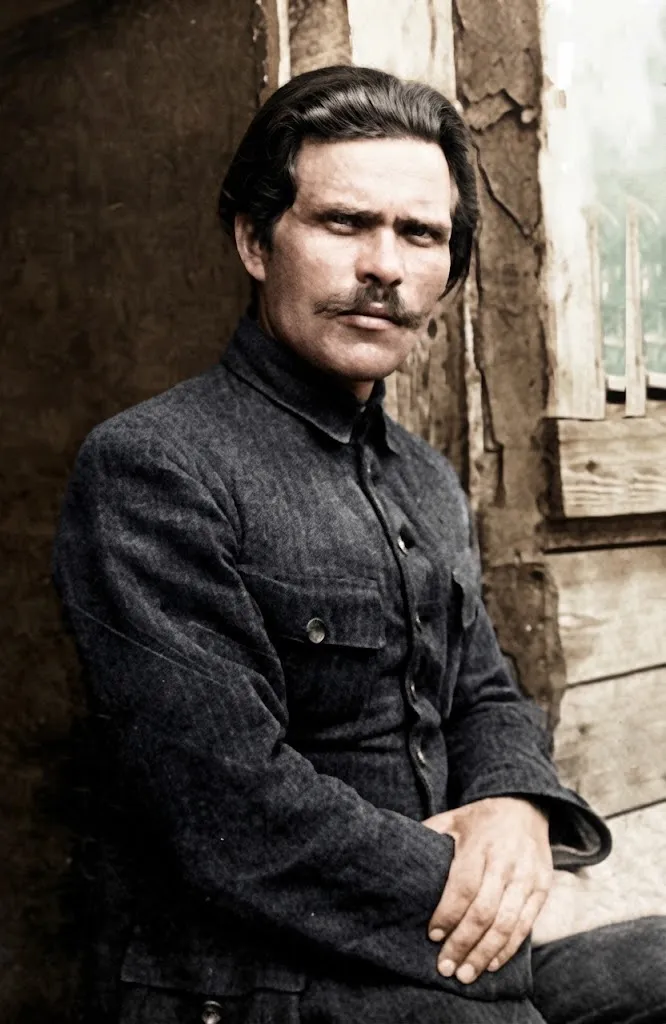
Marko Bezruchko
UNR Army general, defender of Zamość
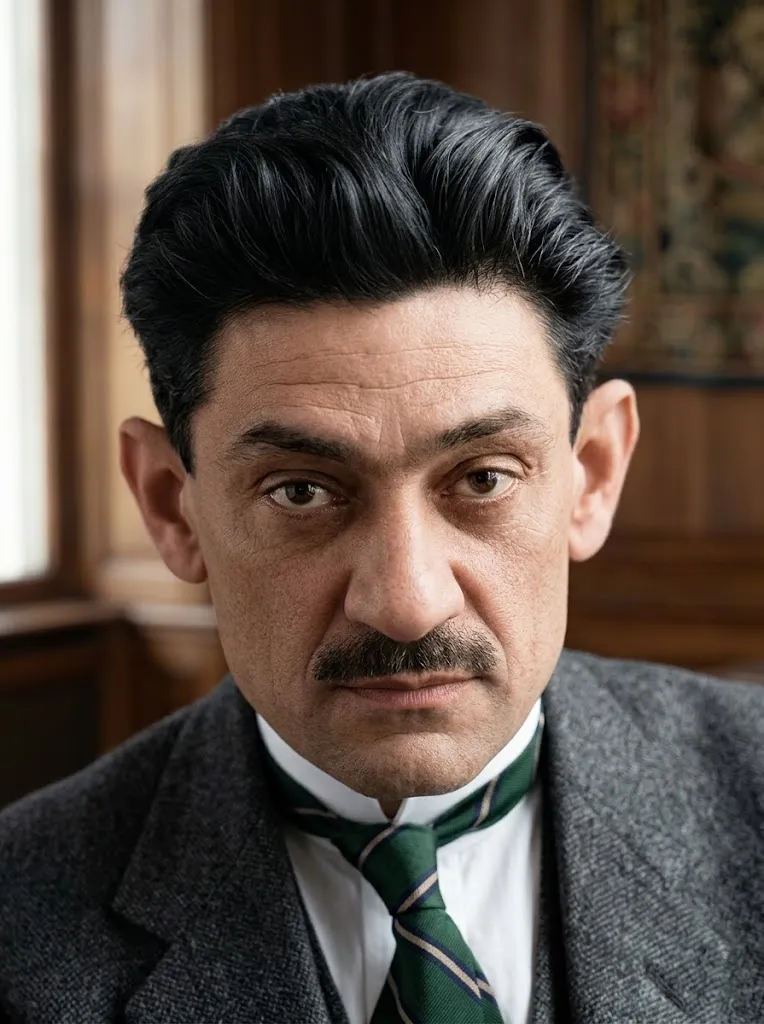
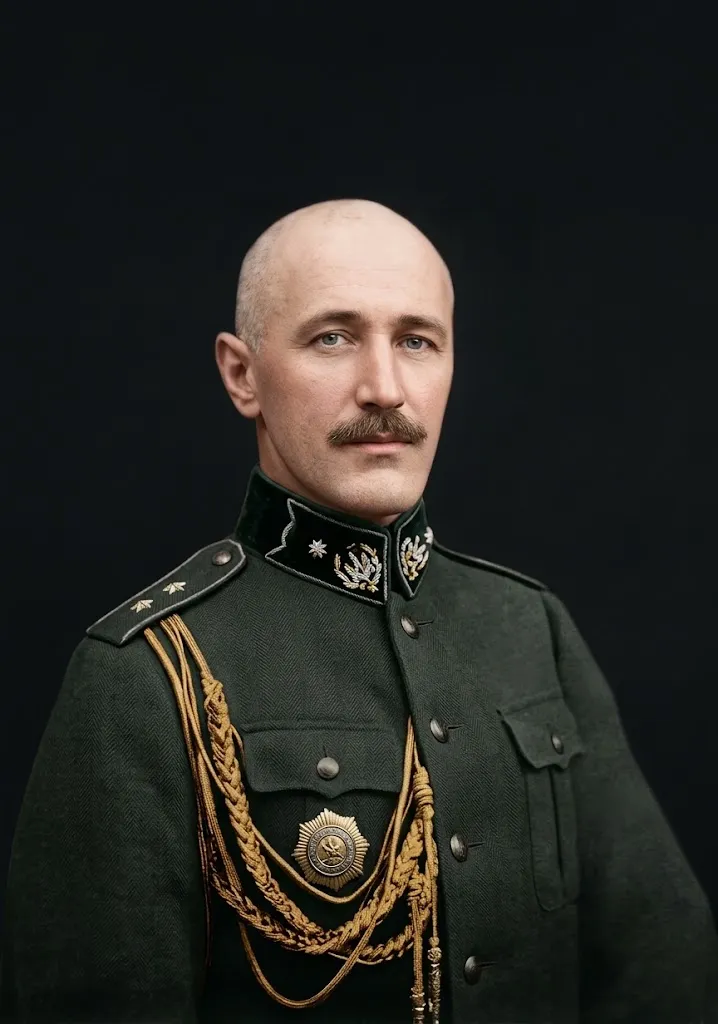
Why does Warsaw have a square named after a Ukrainian general? In late August 1920 Colonel Marko Bezruchko of the UNR Army and his Ukrainian and Polish soldiers held Zamość for days against Budyonny’s cavalry army, which was heading for Warsaw. The defence made him a general.
Key accomplishments
- Head of the operations department of the UNR Army General Staff (1918–1919)
- Chief of staff of the Sich Riflemen Corps (1919)
- Commander of the 6th Sich Rifle Division (1920), which took Kyiv together with the Polish army
- Defence of Zamość against Budyonny’s First Cavalry Army (August 1920)
- Defence minister of the UNR government in exile (1920–1924 and 1940–1944)
Three days at Zamość
In late August 1920 Semyon Budyonny’s First Cavalry Army was racing towards Warsaw. In its way stood the Polish town of Zamość. It was held by the Ukrainian 6th Sich Rifle Division and Polish units, under the command of Colonel Marko Bezruchko of the UNR Army. The garrison had about 3,200 infantry, 200 cavalry, 12 guns and 3 armoured trains, and Budyonny’s cavalry army was five times larger. Under fire from about 70 enemy guns, the garrison beat off the assault for almost three days, and on 31 August the siege was lifted.
Budyonny never managed to help the Reds at Warsaw, which historians count as one of the reasons for the Polish victory in the Battle of Warsaw. For the defence of Zamość, Bezruchko and his deputy Vsevolod Zmiienko were promoted to general-khorunzhyi (major general) on 5 October 1920.
From a teachers’ seminary to the General Staff
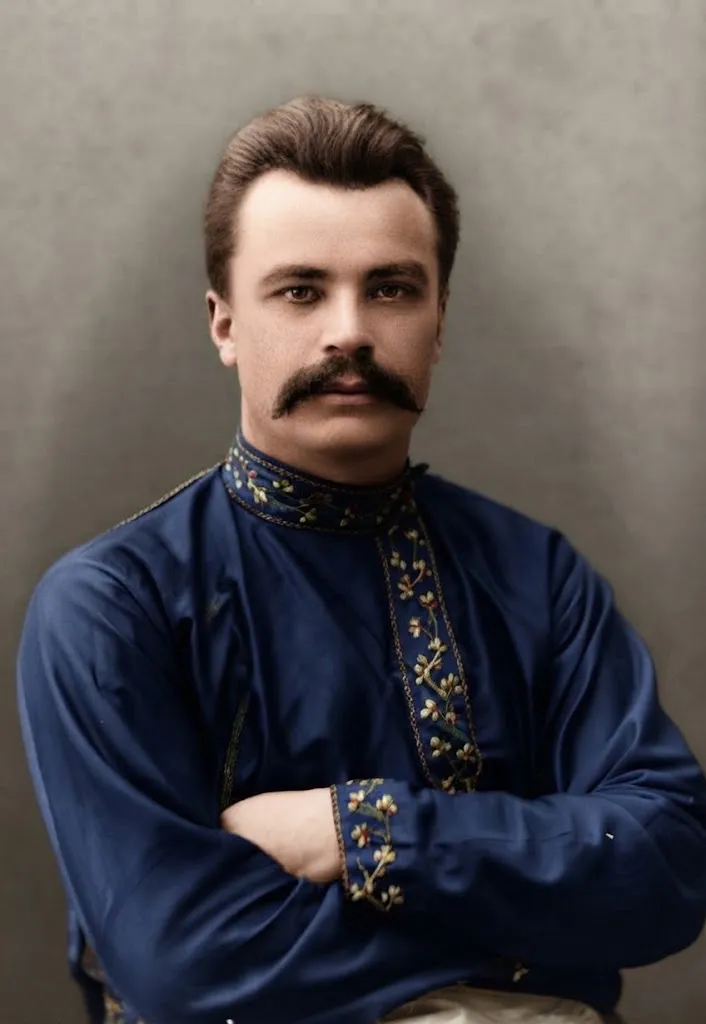
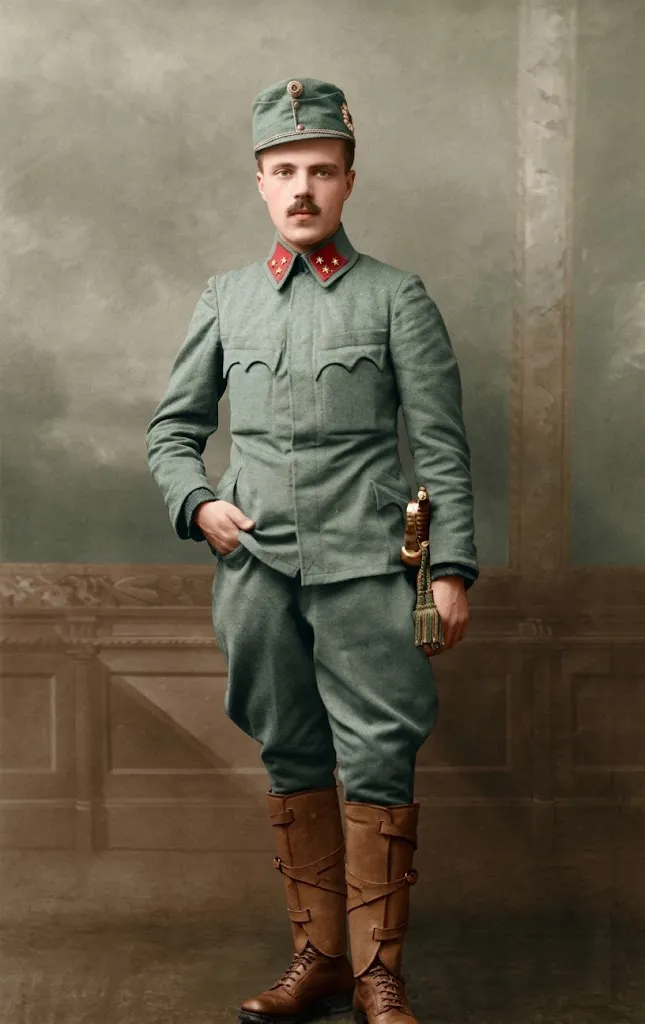
Marko Bezruchko was born in 1883 in Velykyi Tokmak in southern Ukraine (now Tokmak in the Zaporizhzhia region). He studied at a teachers’ seminary in Pereiaslav, then graduated from the infantry cadet school in Odesa and, in 1914, from the Imperial Nicholas Military Academy in Saint Petersburg. In the First World War he was a staff officer and a lieutenant colonel.
In 1917 Bezruchko helped Ukrainize russian army units at the front. At the end of 1918 he went over to the Directory and took charge of the operations department of the UNR Army General Staff. From April 1919 he was chief of staff of the Sich Riflemen Corps, commanded by Yevhen Konovalets.
The Sixth Sich Division
In 1920 Bezruchko formed and took command of the 6th Sich Rifle Division. After Symon Petliura’s alliance with Józef Piłsudski, Ukrainian and Polish troops marched on Kyiv together, and on 7 May 1920 Bezruchko’s division entered the city with the Polish army. Later Bezruchko and Petliura took a parade of Ukrainian troops in Kyiv. Hard fighting with the Reds followed, then the defence of Zamość, and in September–November 1920 Bezruchko commanded the Central Group of the UNR Army, then led by Mykhailo Omelianovych-Pavlenko.
A general in Warsaw
After the UNR’s defeat Bezruchko stayed in Poland. In 1920–1924 he was defence minister and deputy minister of the UNR government in exile. He worked at the Polish Military Geographical Institute; in 1931–1935 he headed the Ukrainian Military History Society in Warsaw, and he wrote a book about the Sich Riflemen in the struggle for statehood. For the 20th anniversary of Poland’s restored independence he was to receive Poland’s highest military order, the Virtuti Militari, but he declined it: “I fought for Ukraine, not for Poland.” At the start of the Second World War he actively supported the Organization of Ukrainian Nationalists, and from November 1940 he was once again defence minister of the UNR government in exile. Marko Bezruchko died in Warsaw on 10 February 1944 and is buried in the Orthodox cemetery in Wola, next to Zmiienko.
Why it matters today
At Zamość, Ukrainians and Poles together held back an army bound for Warsaw, and historians count this among the reasons for the Polish victory. Bezruchko showed that holding one town can shape a great battle, and that Ukraine has stood with its neighbours against a common enemy before. He was one of the men who built the UNR Army, and his story is a reminder that a strong army rests on well-trained officers. In 2019 Zaporizhzhia unveiled the mural “The Era of the Unbroken” with him as its central figure, and his home town of Tokmak has a street named after him. Since 2022 his name has been carried by the 110th Separate Mechanized Brigade, which held the defence of Avdiivka.