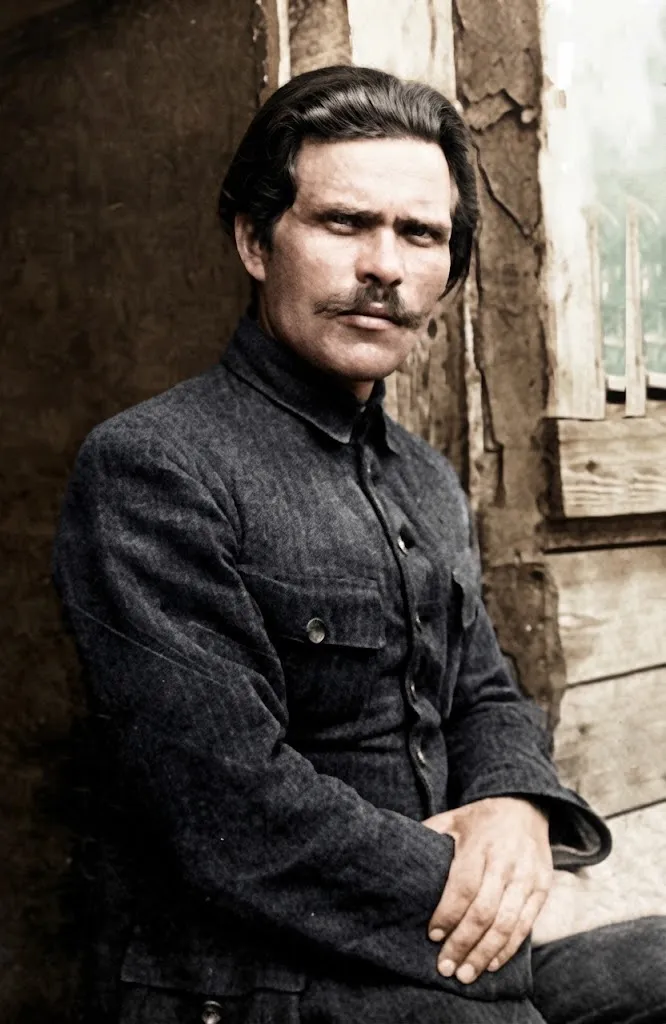
1883–1948
Vsevolod Petriv
UNR general and war minister
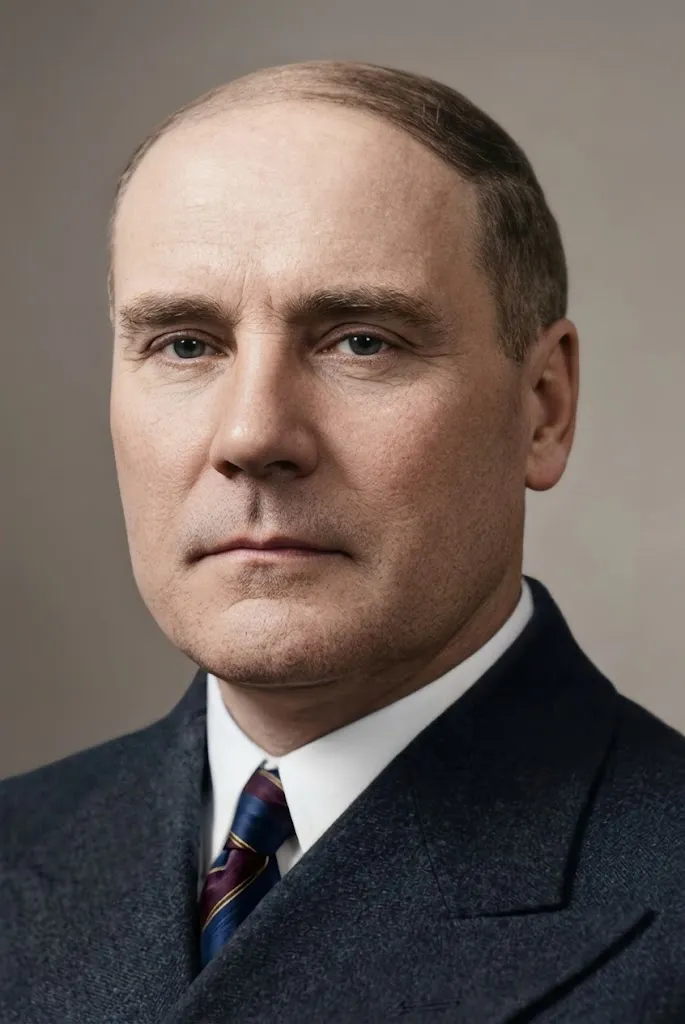
Of all the regiments Ukrainianized at the front, only one made it to Kyiv in January 1918, and Colonel Vsevolod Petriv had put it together. He went on to become a general and war minister of the Ukrainian People’s Republic, and in exile wrote memoirs of the army of the Ukrainian Revolution.
Key accomplishments
- Formed the Kost Hordiienko Haidamaka Regiment from the Ukrainians of the 7th Turkestan Rifle Division (1917)
- Fought in the battles for Kyiv in 1918 and in the Crimean campaign of the Zaporozhian Corps
- War minister of the UNR (August–November 1919) and chief of the UNR Army General Staff (1920)
- Brigadier general (heneral-khorunzhyi) of the UNR Army
- Memoirs from the Times of the Ukrainian Revolution (1917–1921), in four parts
The regiment that reached Kyiv
Did you know that of all the regiments Ukrainianized at the front, only one made it to Kyiv in January 1918? Vsevolod Petriv had put it together. He was born in 1883 in Kyiv (other sources say the Chernihiv region) into a military family. He graduated from the Pavlovsk Military School and the Nicholas Military Academy in St Petersburg, and in the First World War he was a colonel and a division chief of staff.
The Haidamaky
After the revolution of 1917, Petriv set about Ukrainianizing units on the Western Front. From the Ukrainians of the 7th Turkestan Rifle Division he formed the Kost Hordiienko Haidamaka Regiment. The regiment reached Kyiv and fought the Bolsheviks in its streets. In the spring of 1918 his mounted haidamaky helped free Left-Bank Ukraine from the Bolsheviks and rode in the Crimean campaign of the Zaporozhian Corps.
General and minister
In 1919 Petriv headed the military cadet school in Zhytomyr, then commanded the Volhynian Group of forces. From August to November 1919 he was war minister of the Ukrainian People’s Republic, and in 1920 chief of the General Staff and inspector of infantry. He was promoted to brigadier general.
A historian in exile
From November 1920 Petriv lived in exile: first in the camp for interned UNR soldiers in Kalisz, then from 1923 in Prague. There he taught at the Ukrainian Higher Pedagogical Institute and wrote on Ukrainian military history. His Memoirs from the Times of the Ukrainian Revolution (1917–1921) came out in Lviv in four parts. From 1929 Petriv worked with the Organization of Ukrainian Nationalists, and on 30 June 1941 he became war minister in Yaroslav Stetsko’s government. He spent his last years in Augsburg, Germany, where he died in 1948.
Why it matters today
Vsevolod Petriv showed that even as an empire falls apart, Ukrainians serving in someone else’s army can be formed into an army for their own state and brought where they are needed. He defended Kyiv and built the UNR Army, and when the war was lost he didn’t abandon its cause: he explained and recorded how that army fought. Thanks to people like him, Ukrainians know the history of their army from the inside, from those who built it. Anyone who learns from history today in order to defend the country better follows in his footsteps.