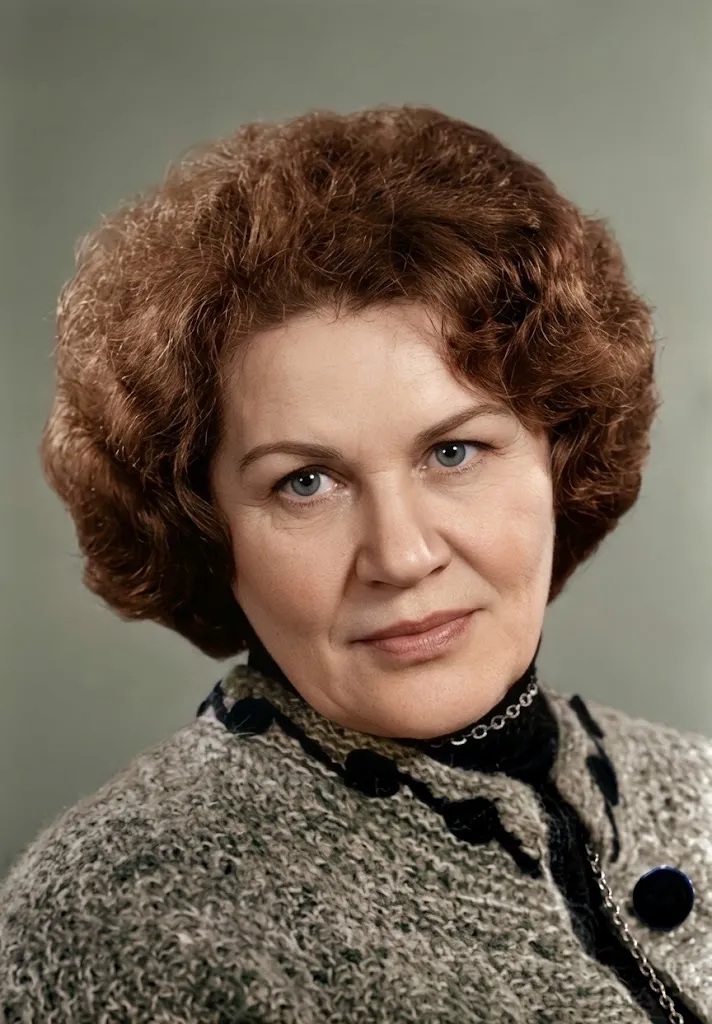
1919–1988
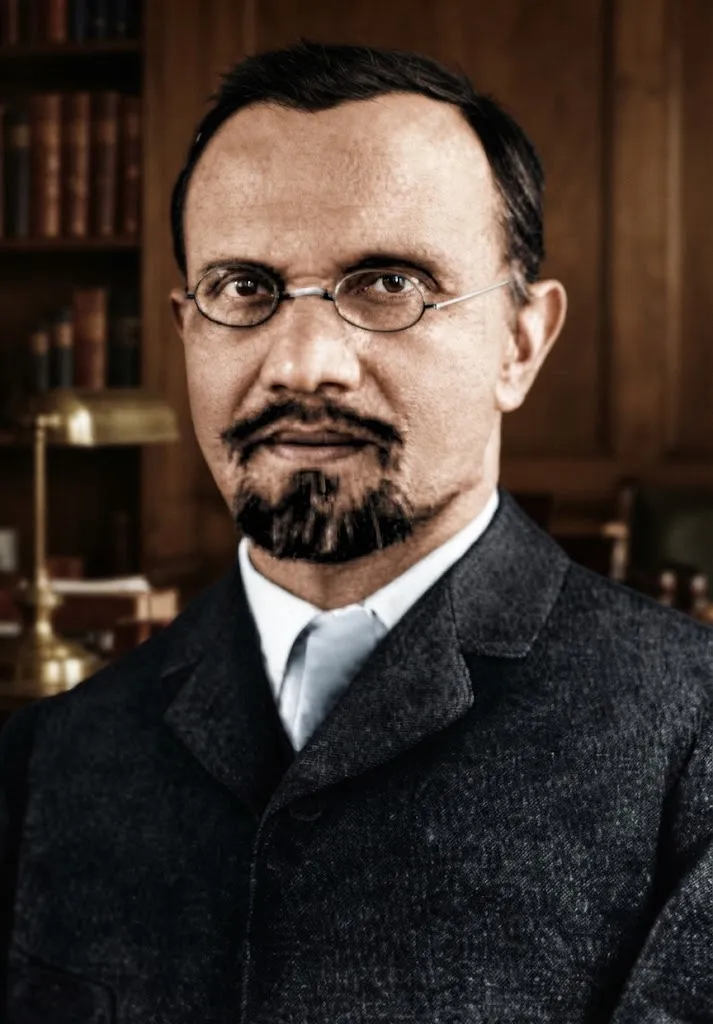
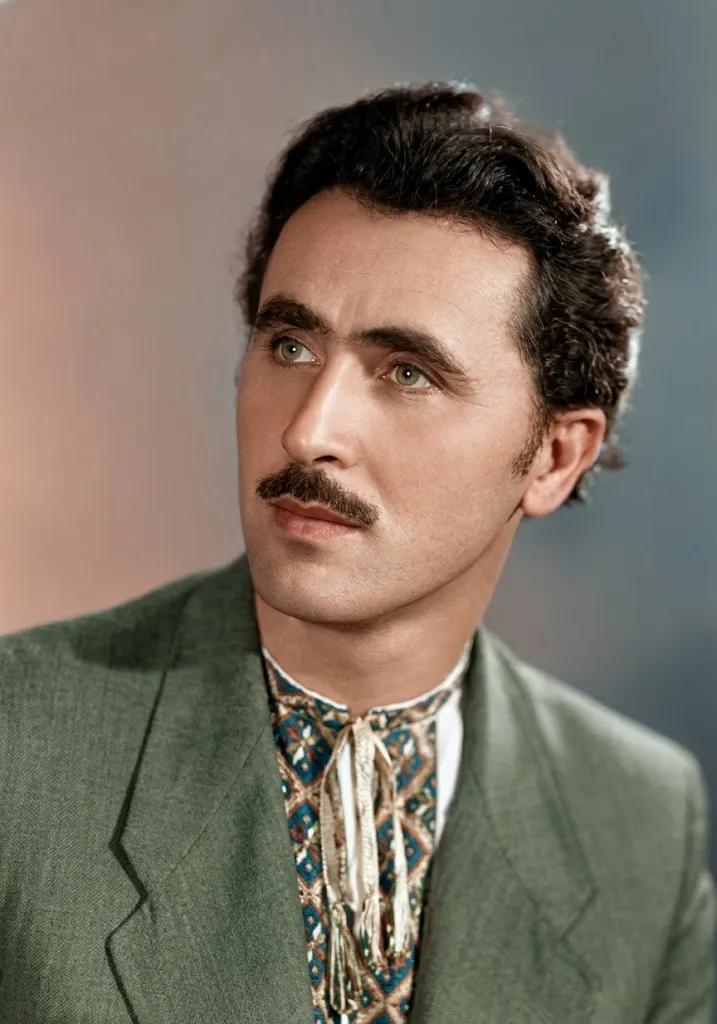
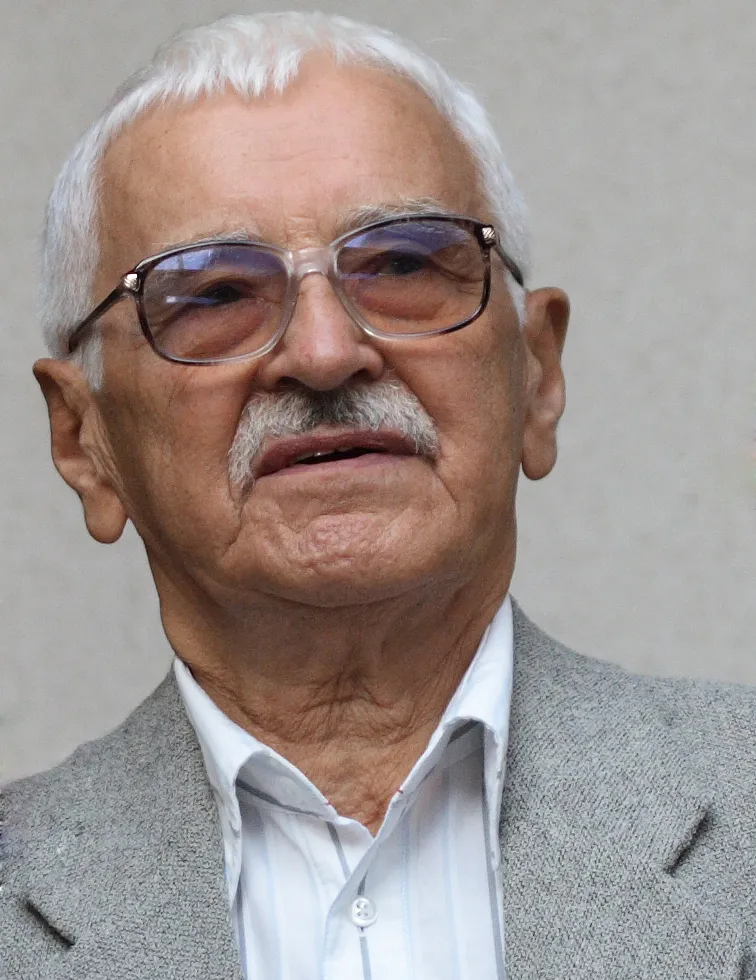
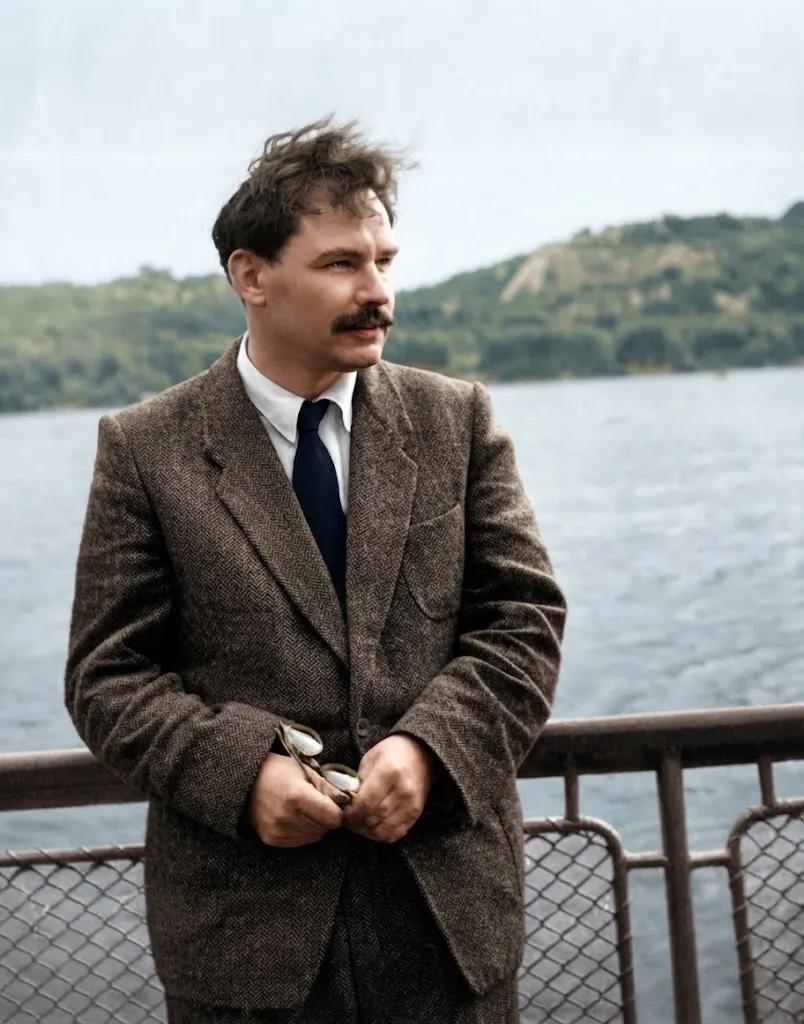
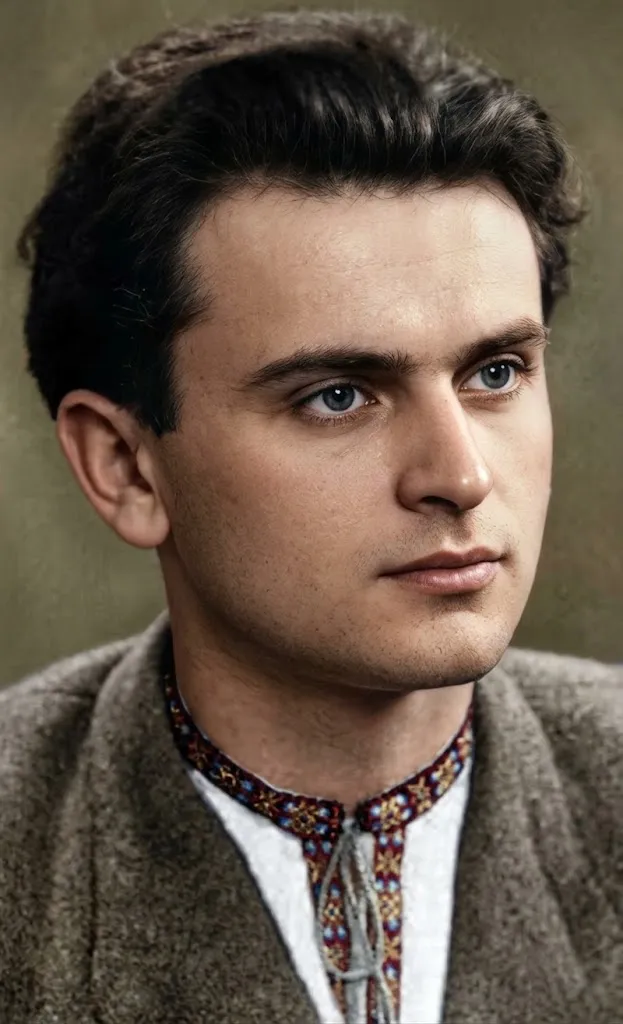
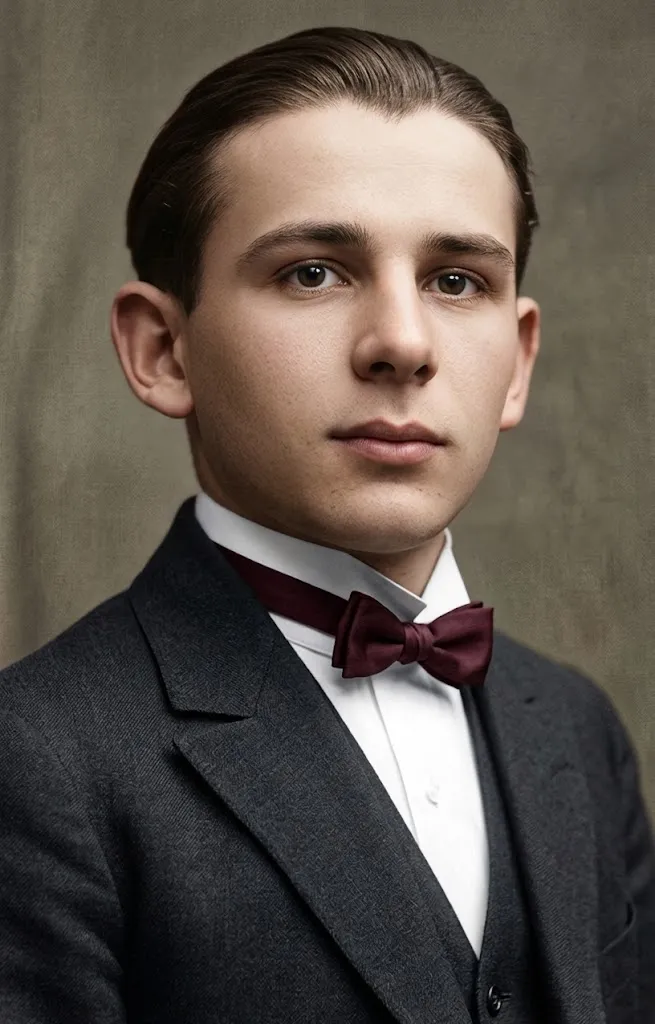
Mykola Lukash
Polyglot translator
In 1973 he asked to go to prison in place of his convicted friend Ivan Dziuba, and became known as the Ukrainian Don Quixote. Mykola Lukash translated Faust, The Decameron and Don Quixote itself from about 20 languages, without ever once being allowed abroad.
Key accomplishments
- Translations from about 20 languages: Goethe’s Faust, Flaubert’s Madame Bovary, Boccaccio’s Decameron, Cervantes’s Don Quixote (completed by Anatolii Perepadia, 1995)
- Poetry by Burns, Schiller, Heine, Verlaine, Apollinaire and Lorca; Madách’s The Tragedy of Man; opera libretti, including Mozart’s Don Giovanni
- Brought many 17th- and 18th-century words back into use and coined new ones
- A card index for a dictionary of Ukrainian meant to be fuller than Hrinchenko’s
- In 1973 offered to serve Ivan Dziuba’s prison sentence; expelled from the Writers’ Union (reinstated in 1987)
- The Maksym Rylskyi Prize (1988); posthumously, the Mykola Zerov Prize (1993)
The letter his friends begged him not to send
How did the translator of Don Quixote end up being called the Ukrainian Don Quixote himself? In 1973 Ivan Dziuba, author of the essay Internationalism or Russification?, was sentenced to prison. Mykola Lukash wrote to the leaders of Soviet Ukraine that the verdict was unjust and asked to serve the sentence in Dziuba’s place: he lived alone, he wrote, while Dziuba had a family and poor health.
His friends, Hryhorii Kochur among them, tried to talk him out of it: it would not help Dziuba and would only hurt him. Lukash replied: “I’m doing this for myself.” He promised to tear the letter up, then took it to the Writers’ Union instead.
The boy who wouldn’t speak
Lukash was born in 1919 in Krolevets, in the Sumy region, into a family of teachers. He began to talk so late that his parents thought he was mute. The story goes that his first words were in Romani, after he spent time in a Roma camp, though it may be only a legend. As a schoolboy, friends recalled, he learned Yiddish from gravestone inscriptions and his teacher’s newspapers. The war cut short his studies at Kyiv University, and from 1943 he served in the army. In 1947 he graduated from the Kharkiv Institute of Foreign Languages and spent several years teaching languages in Kharkiv.
Hungarian in three months
Imagine a trial in a prisoner-of-war camp. Three Germans had accused a Hungarian of theft, he faced the firing squad, and he would speak nothing but his own language. According to an acquaintance’s memoir, Lukash was asked to help. He learned Hungarian in three months with a dictionary and a radio, interpreted at the trial, and the Hungarian was acquitted.
“Very Ukrainian”
Lukash translated from about 20 languages: Goethe’s Faust, Flaubert’s Madame Bovary, Boccaccio’s Decameron, the poetry of Burns, Heine and Apollinaire. He taught himself his languages and never once went abroad: he was not allowed to. He believed that Cervantes, who wrote “very Spanish”, had to be translated “very Ukrainian”. So his Don Quixote has Hutsul sheepskin vests and mountain pastures, and Lorca’s poems in the Galician dialect came out in the Hutsul dialect of the Carpathians. He brought forgotten 17th- and 18th-century words back into the language and coined new ones. He translated Verlaine’s lyrics together with Maksym Rylskyi and Kochur.
The price of one letter
The letter for Dziuba cost Lukash dearly. He was removed from the journal Vsesvit, threatened with a psychiatric hospital, and on 12 June 1973 expelled from the Writers’ Union. For more than ten years he was not published. A few brave friends fed him and passed on fees for his translations, printed under other people’s names. For a long time a policeman stood at his entrance and turned visitors away. His flat held only a bed, a table and books: to fit them in, he even cleared out the kitchen. The years of disgrace broke his health, but he never recanted.
A dictionary fuller than Hrinchenko’s
For years Lukash built a card index for a dictionary of Ukrainian meant to be fuller than the one compiled by Borys Hrinchenko. He was readmitted to the Writers’ Union in 1987, by then gravely ill, and died in Kyiv on 29 August 1988. His Don Quixote was finished by another translator in 1995. Kochur said that people like Lukash are born perhaps once in several centuries, and that as a polyglot only Ahatanhel Krymskyi could have rivalled him.
Why it matters today
Mykola Lukash proved that Ukrainian can carry Goethe, Boccaccio and Cervantes as if they had written for us. His translations still open world classics to Ukrainian readers in their own language. He showed that a language is a treasure to be gathered word by word, even when no one pays you for it. And his letter for Dziuba is a reminder that solidarity means being ready to stand beside someone who is punished unjustly. Anyone who translates, writes or stands up for a friend carries on the work of the “Ukrainian Don Quixote”.