1908–1994
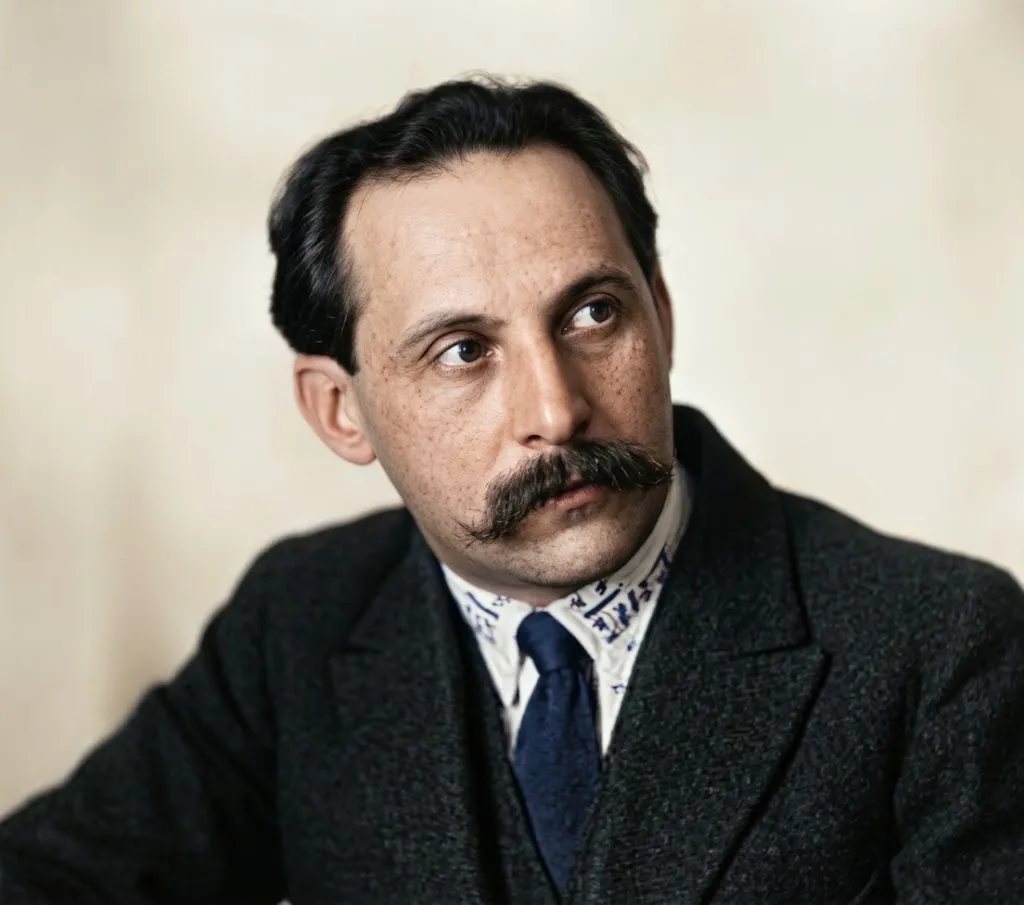
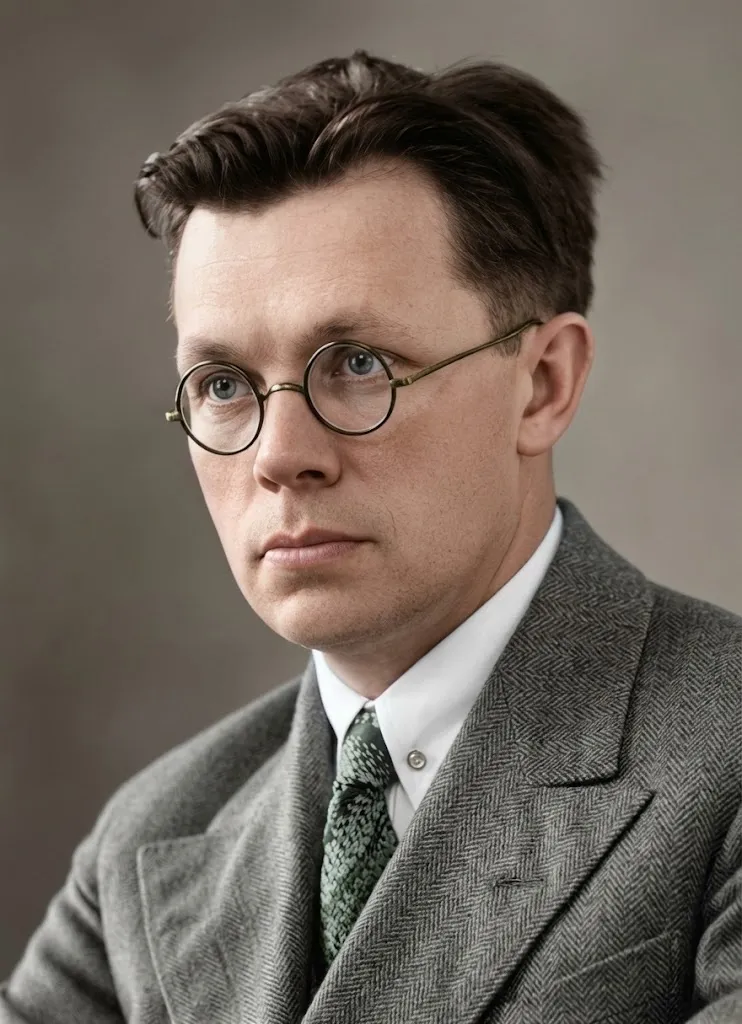
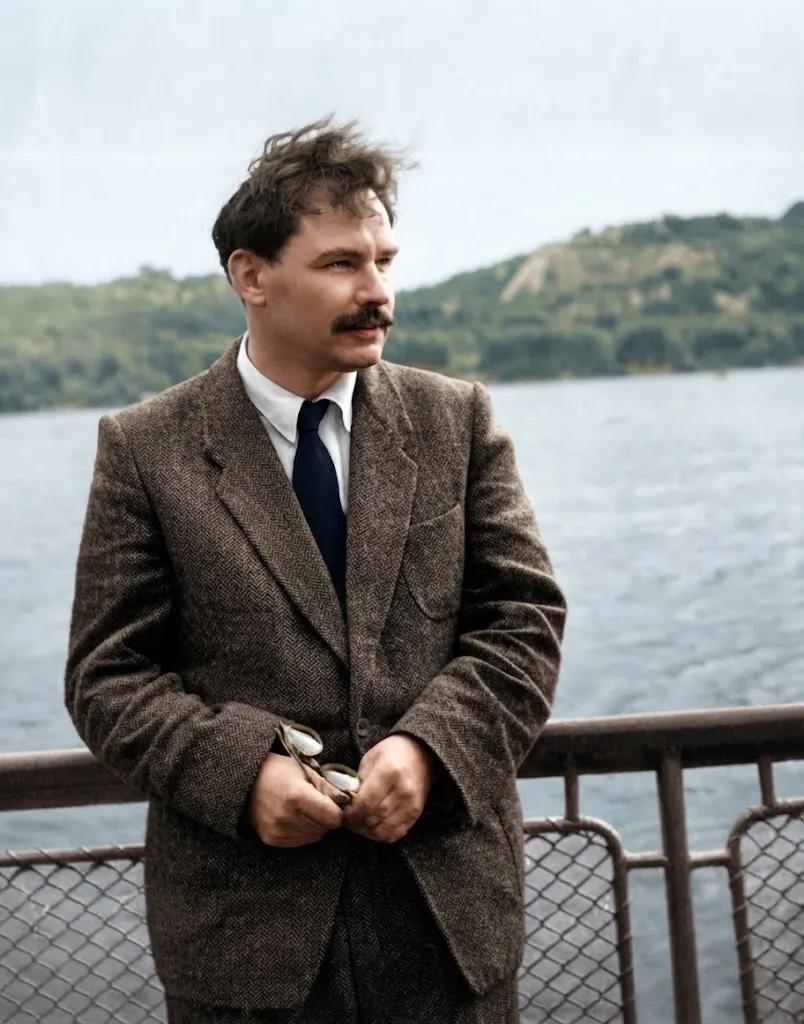
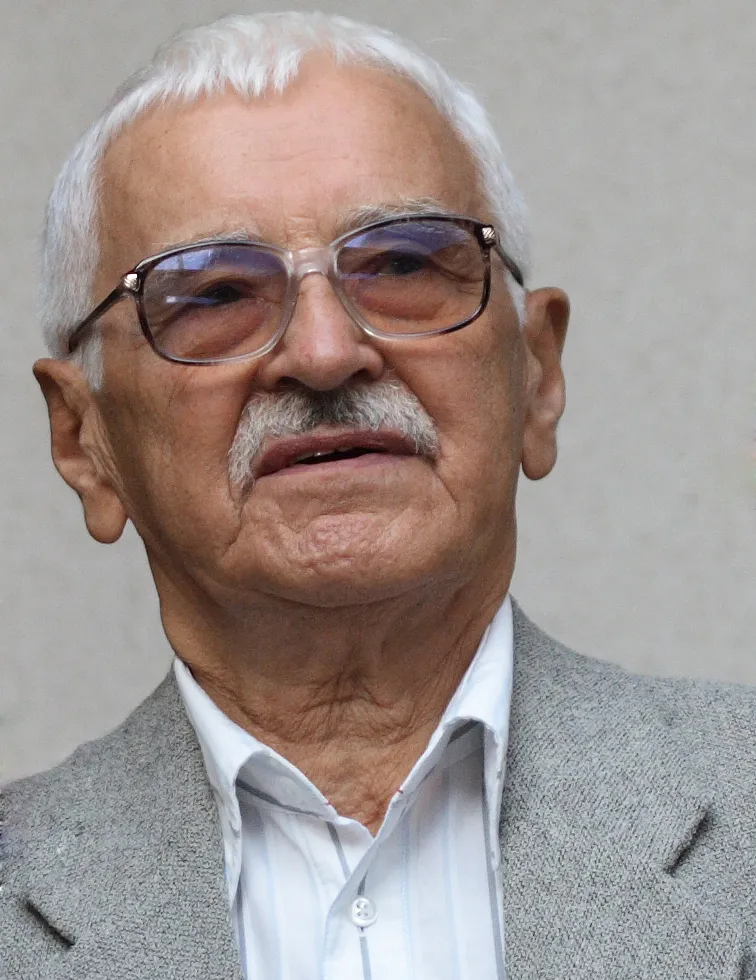
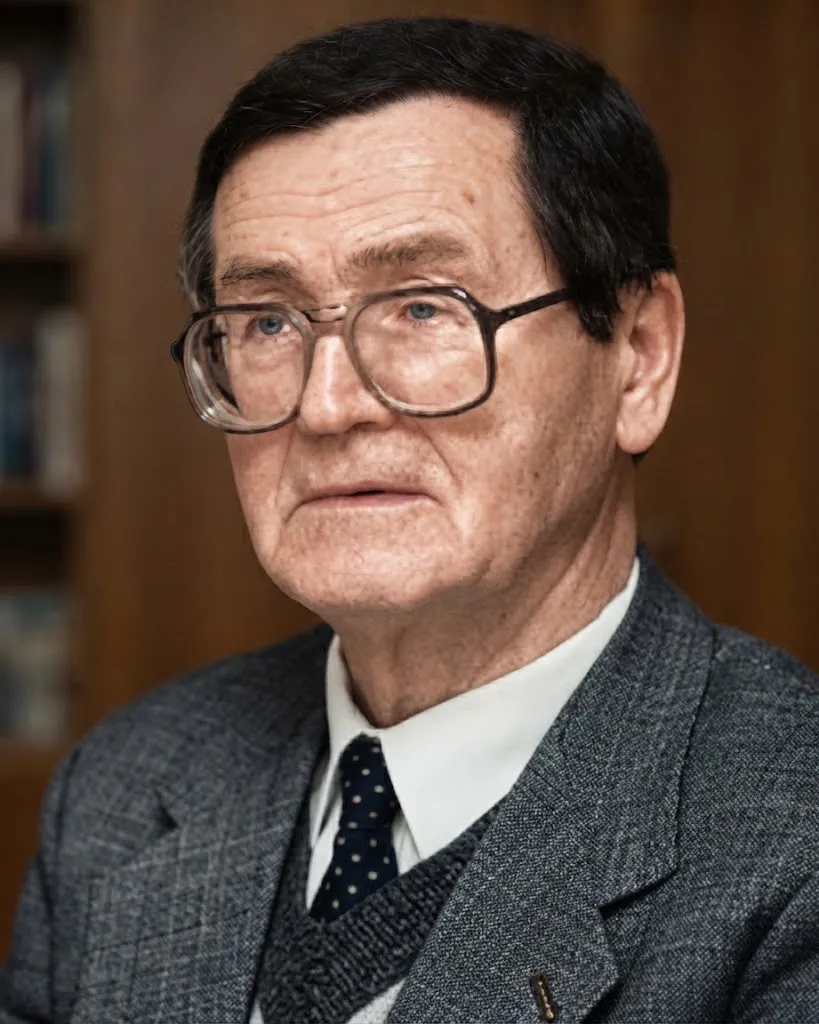
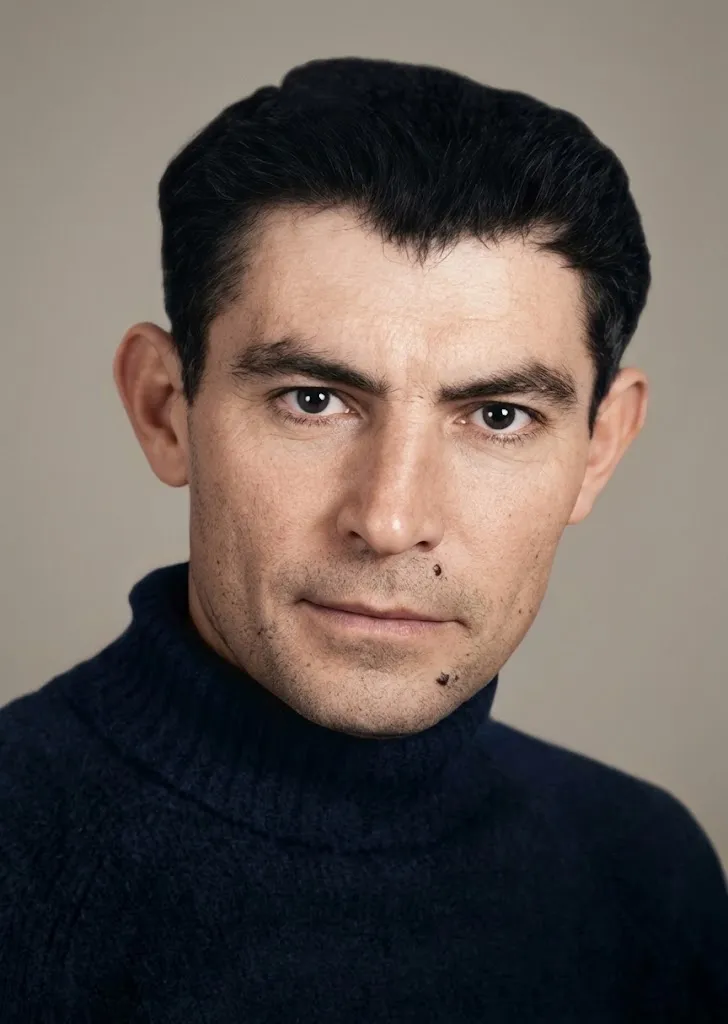
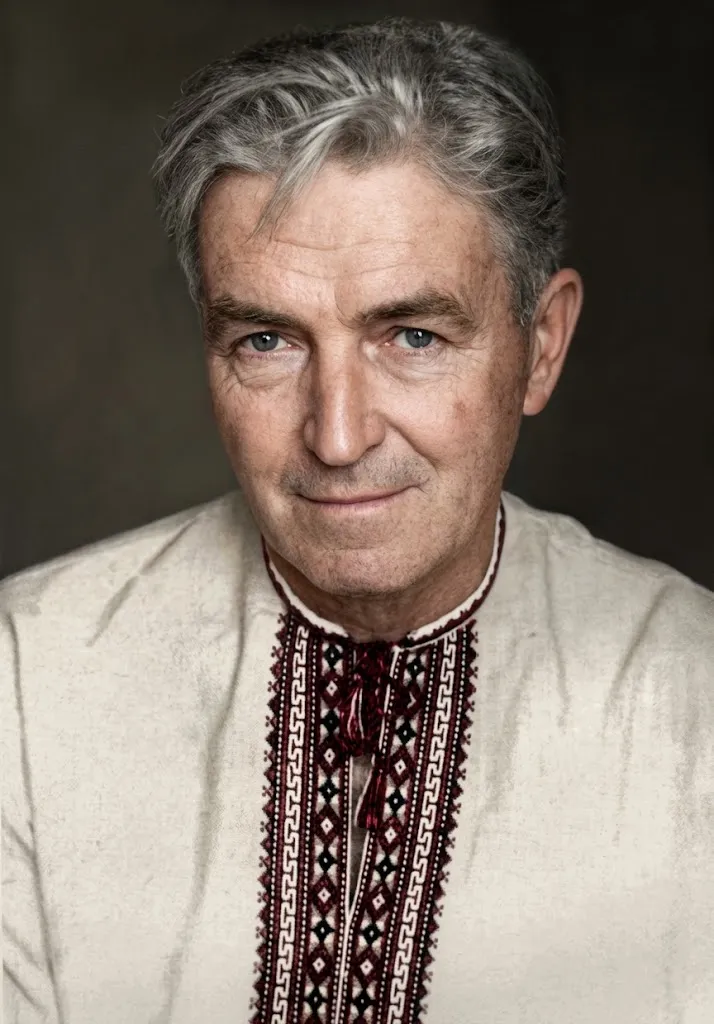
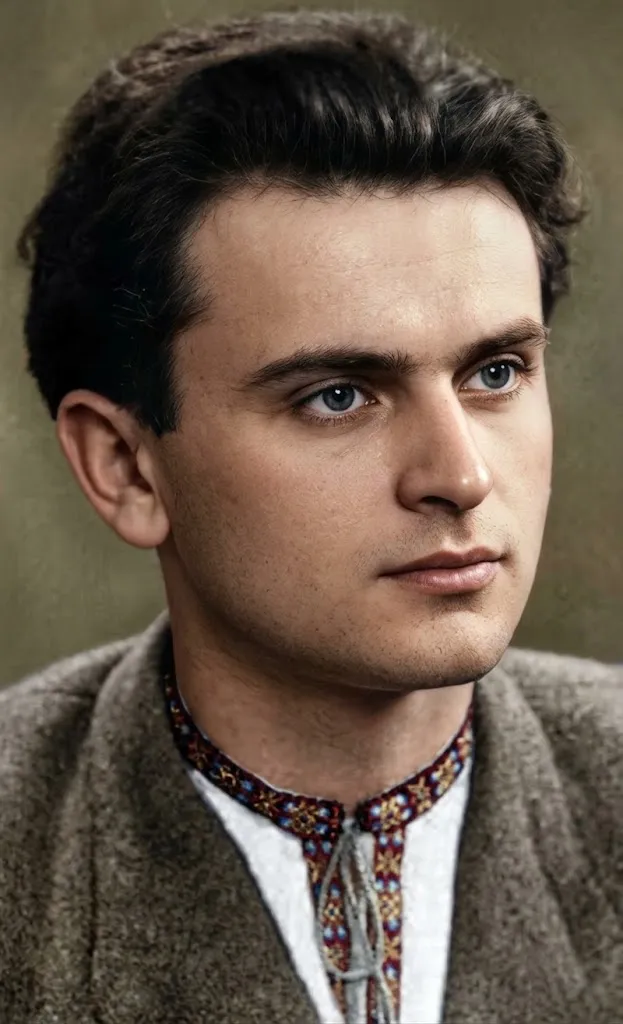
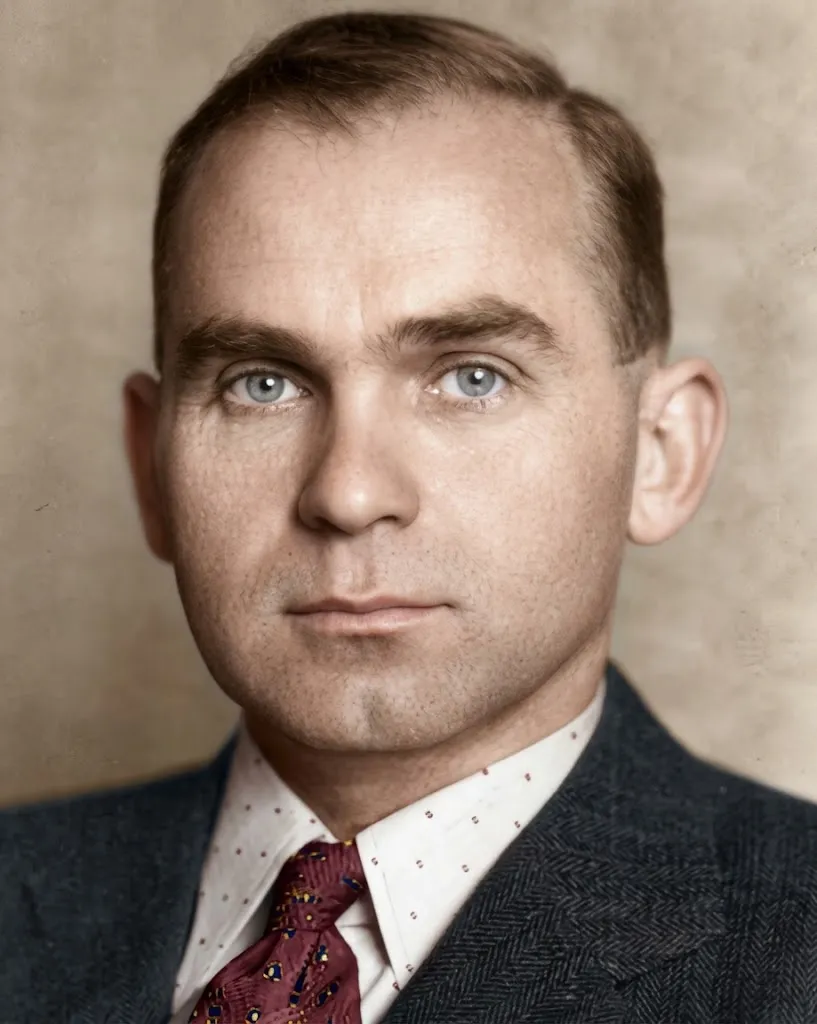
Hryhorii Kochur
Translator and mentor to the Sixtiers
In a Stalin-era camp he translated Hamlet, hiding Shakespeare inside a Communist Party textbook. Hryhorii Kochur, a translator from 25 languages, made his Irpin house a “university” for the Sixtiers, and refusing to testify against a friend cost him 15 years outside the Writers’ Union.
Key accomplishments
- Translations from 30 national literatures and 25 languages: from Sappho and Horace to Petrarch, Villon, Rimbaud, Eliot and Pessoa
- A translation of Shakespeare’s Hamlet (1964), staged many times in Ukrainian theatres
- The translation collections Echo (1969), Second Echo (1991) and Third Echo (2000); the camp poems Inta Notebook (1989)
- Compiler of Mykola Zerov’s Selected Works (1966, with Maksym Rylskyi) and co-compiler of his two-volume works (1990, with Dmytro Pavlychko)
- The Maksym Rylskyi Prize (1989); posthumously, the Shevchenko National Prize (1995)
Shakespeare inside a Party textbook
A labour camp in Inta, in the far north of the Komi Republic. After his shift down the mine, the political prisoner Hryhorii Kochur swaps his pickaxe for a pencil. He keeps a notebook no bigger than a matchbox tucked into the top of his boot. Books in foreign languages reach the camp illegally: Shakespeare, for one, travels inside the cover of the Short Course of the History of the Communist Party. That is how Kochur translated Hamlet in captivity. Once a guard caught him at work, but didn’t report him. Here, too, Kochur translated Edgar Allan Poe’s “The Raven”.
A pupil of the Neoclassicists
Kochur was born in 1908 into a peasant family in Feskivka, in the Chernihiv region. In Kyiv he was taught by Mykola Zerov, and in 1936–1941 he headed the literature department of the Vinnytsia Pedagogical Institute.
Ten years for “nationalism”
The war found Kochur in Poltava. In October 1943, as soon as Soviet rule returned, he and his wife Iryna Voronovych were arrested for supposedly belonging to the OUN, the Organization of Ukrainian Nationalists. Kochur denied any guilt, but both were sentenced to 10 years. In the camp he learned languages from fellow prisoners: Estonian, Latvian, Armenian, Georgian. He was released in 1953, but for several more years he was not allowed to leave Komi.
The house Rylskyi bought
Former “enemies of the people” were not allowed to live in Kyiv. Maksym Rylskyi stepped in: he helped Kochur get rehabilitated, then bought his friend an unfinished house in Irpin. Kochur later paid him back. The family moved in in 1962, and the plumbing was done by Ivan Svitlychnyi.
“The University of Irpin”
The house soon earned the nickname “the University of Irpin”. Ivan Dziuba, Vasyl Stus, Borys Antonenko-Davydovych and Vasyl Symonenko came here for banned Kafka and Hesse, and for advice. Kochur called the years he worked alongside Rylskyi and Mykola Lukash the happiest of his life. Together with Rylskyi he brought the poems of his executed teacher Zerov back to readers. And tired of being asked how many languages he knew, Kochur once counted them up, got 31, and from then on flatly refused to discuss it.
A refusal that cost 15 years
In 1966 and 1968 Kochur signed letters in defence of arrested friends. In 1972 Yevhen Sverstiuk was arrested, and the KGB demanded that Kochur testify against him. Kochur refused, and went to the trial to defend his friend instead. In 1973 he was expelled from the Writers’ Union, and his books were pulled from libraries. He was readmitted only in 1988; a year later his camp poems, Inta Notebook, finally came out.
A conversation with Havel
Only past the age of 82 could Kochur travel abroad: to the USA, Poland and the Czech Republic. In the Czech Republic it was Václav Havel, the dissident playwright who became president, who asked to meet him. Havel knew about Kochur’s arrests, and the two talked for hours in an artists’ café. Kochur died in 1994 and is buried in Irpin, where his house is now a museum.
Why it matters today
Hryhorii Kochur showed that even in a labour camp you can work for the future: he translated Shakespeare because he believed new generations would respect their language and culture. Thanks to him, poets from twenty-six centuries, from antiquity to the 20th century, speak Ukrainian. His house in Irpin became a school for a whole generation of translators and Sixtiers. And his refusal to testify against a friend is a reminder that dignity is sometimes simply saying “no”. Anyone who brings a book from the wider world to Ukrainian readers is studying at Kochur’s “University of Irpin”.