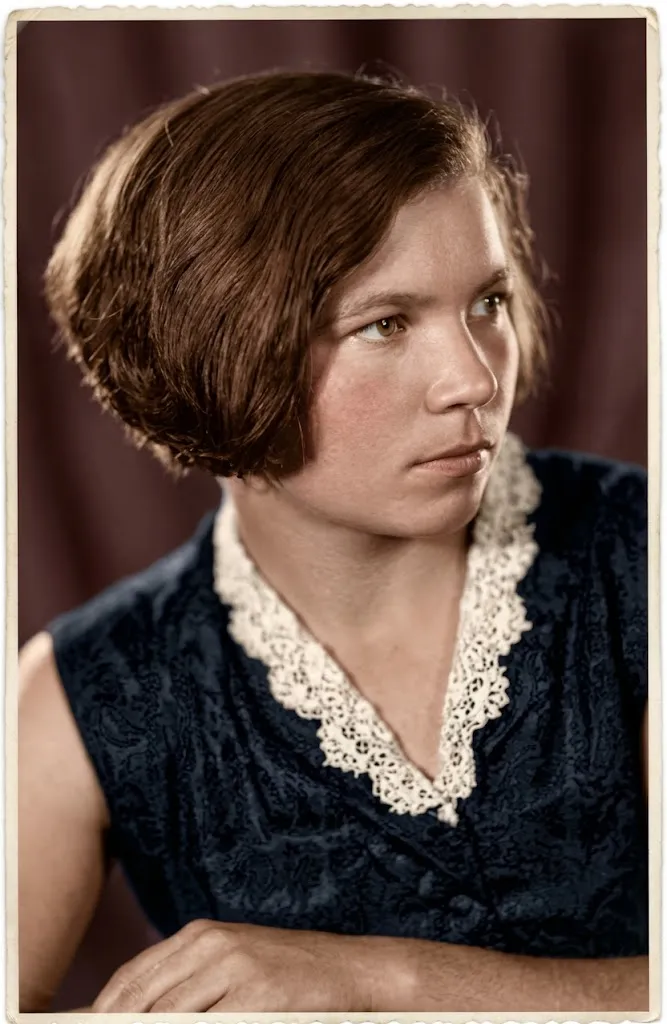
1906–1963
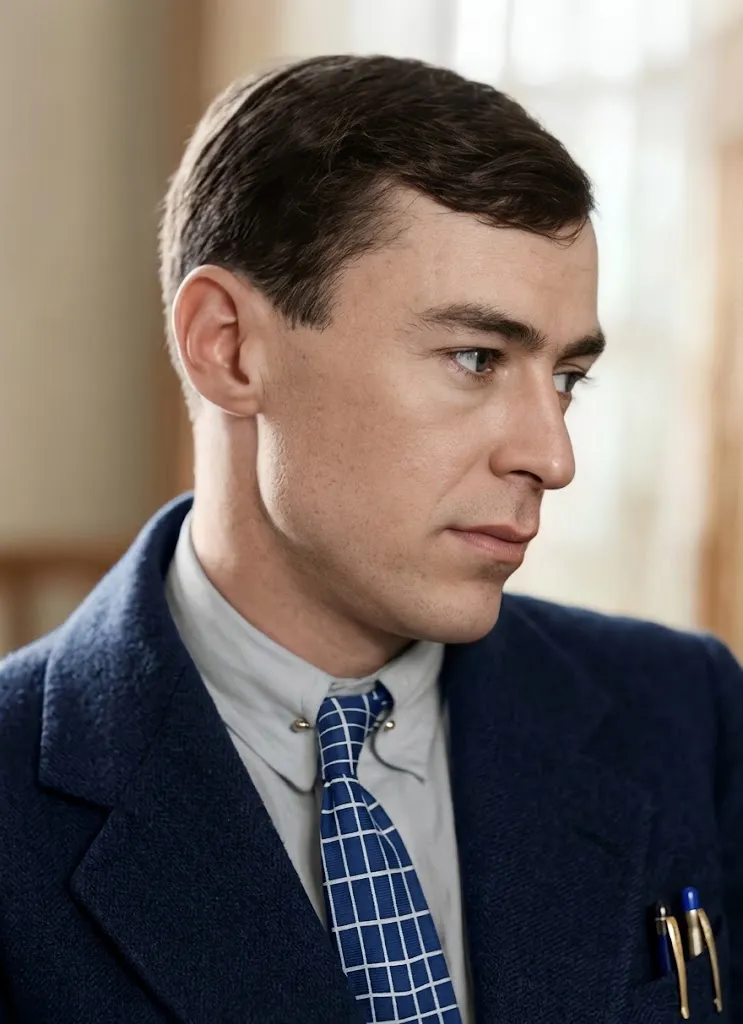
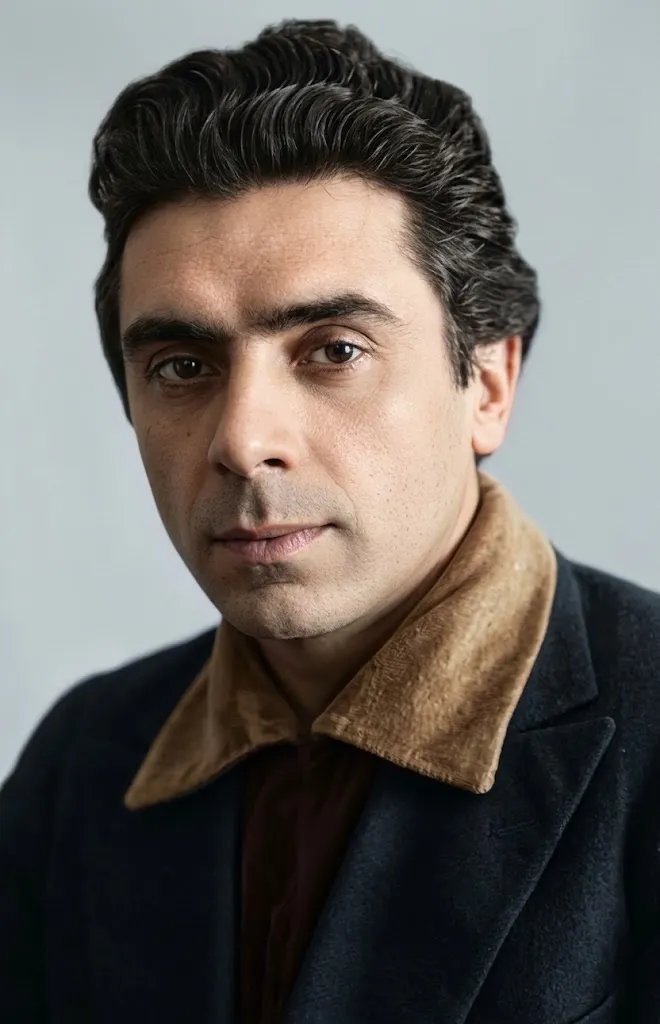
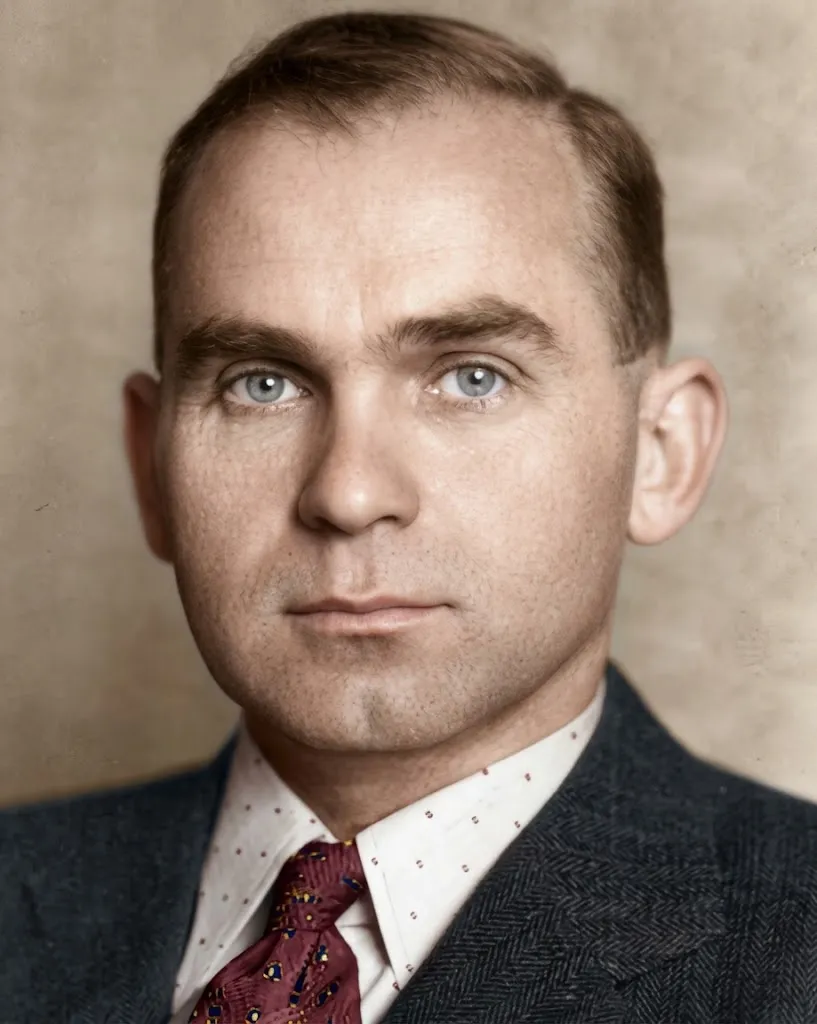
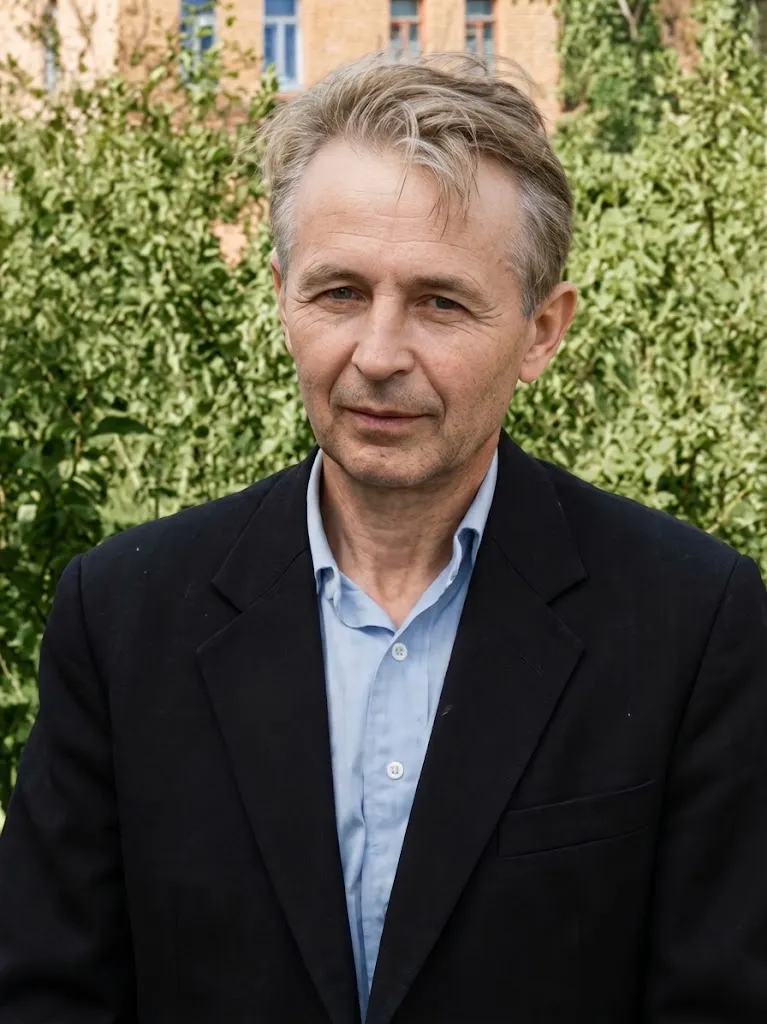
Ivan Bahrianyi
Writer who exposed the Gulag
His pamphlet “Why I Don’t Want to Go Back to the USSR” changed how the West saw refugees from the Soviet Union. Ivan Bahrianyi, from Okhtyrka, survived Soviet prisons and exile, and abroad wrote The Tiger Hunters and The Garden of Gethsemane.
Key accomplishments
- The novels The Tiger Hunters (1943, in book form 1946) and The Garden of Gethsemane (1950), one of the first works to tell the truth about the Gulag
- The pamphlet “Why I Don’t Want to Go Back to the USSR” (1946), translated in 1947 into English, Spanish, Italian and other languages
- Co-founder of the Ukrainian Revolutionary Democratic Party, the artistic association MUR and the youth organization ODUM
- Head of the Ukrainian National Council and vice-president of the Ukrainian People’s Republic in exile
- Shevchenko National Prize of Ukraine (1992, posthumously)
The pamphlet that opened the West’s eyes
Why did people the war had thrown into Germany refuse to go home? In 1945, in Augsburg, Ivan Bahrianyi wrote a pamphlet about it: “Why I Don’t Want to Go Back to the USSR”. He spoke up for fellow countrymen who were being forcibly sent back to the Soviet Union. The pamphlet was translated into English, Spanish, Italian and other languages, and it changed how the Western world treated refugees from the USSR.
A poet they couldn’t break
Ivan Lozoviaha was born in 1906 in Okhtyrka, in today’s Sumy region. The pen name Bahrianyi (“crimson”) appeared around 1926, inspired by the writing of Mykola Khvylovy, in which the word stood for a revolutionary, romantic urge. He studied at the Kyiv Art Institute and joined MARS, a circle of writers who stood in opposition to the regime. With Valerian Pidmohylnyi and other friends he travelled around Ukraine by bicycle to see how people really lived. Censors cut his poems, and his poem “Ave Maria”, which he published at his own expense, was confiscated.
In 1932 he was arrested. Under interrogation he said: “I am a Ukrainian writer.” He was then exiled to the Soviet Far East. In 1938 he was arrested again and spent almost two years under interrogation in a Kharkiv prison. He was released “for lack of evidence”.
Tigers, taiga and the Garden of Gethsemane
What he lived through became novels. The Tiger Hunters is an adventure story about Ukrainians exiled to the Far East. It came out in English as The Hunters and the Hunted (1956), then in Dutch (1959) and German (1961), and its three English editions alone sold over a million copies. The Garden of Gethsemane tells of the torture chambers the author went through himself. It was one of the first books to tell the truth about the Gulag, written two decades before Aleksandr Solzhenitsyn’s The Gulag Archipelago. In 1961 it was published in French as well.
Ukraine’s voice in exile
During the Second World War Bahrianyi helped the Ukrainian underground. In 1944 he emigrated, and from 1946 he lived in Neu-Ulm in Bavaria. There he and like-minded people founded a party with its own newspaper, Ukrainian News; he led the Ukrainian National Council and was vice-president of the Ukrainian People’s Republic in exile. He died in Germany on 25 August 1963.
Why it matters today
Ivan Bahrianyi went through Soviet prisons and exile, but he did not keep silent: in exile he spoke up for those being forced back to the USSR and was one of the first to tell the world the truth about the Gulag. His example is a reminder that the truth about unfreedom can be told even when telling it is punished, and that such truth can protect others. Anyone who tells the world the truth about Ukraine today carries on his work.