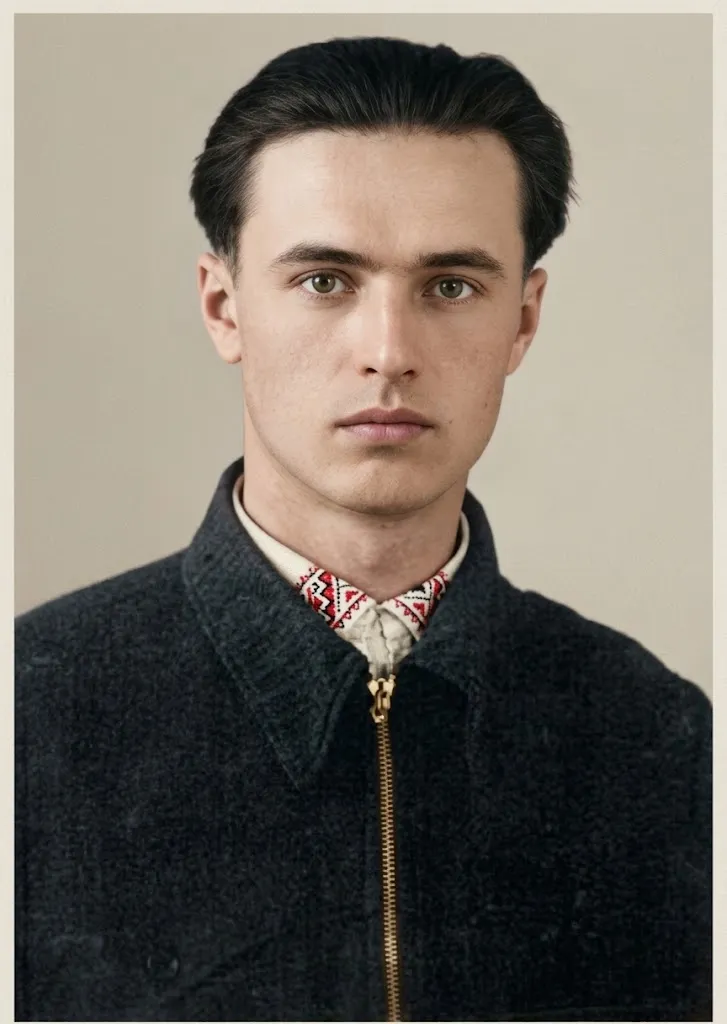
1949–1982
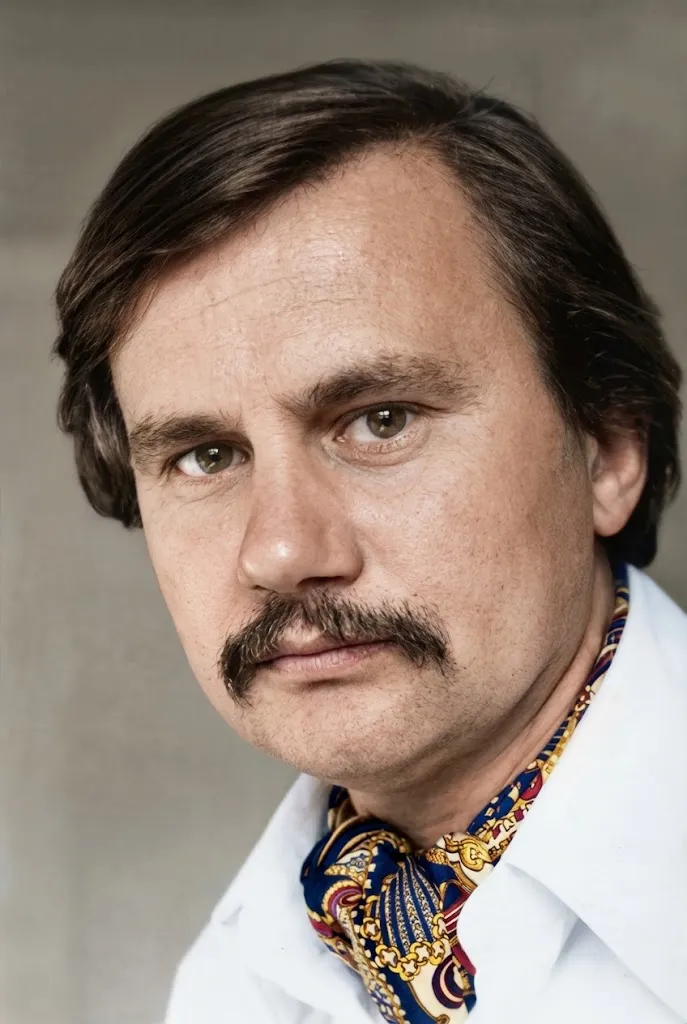
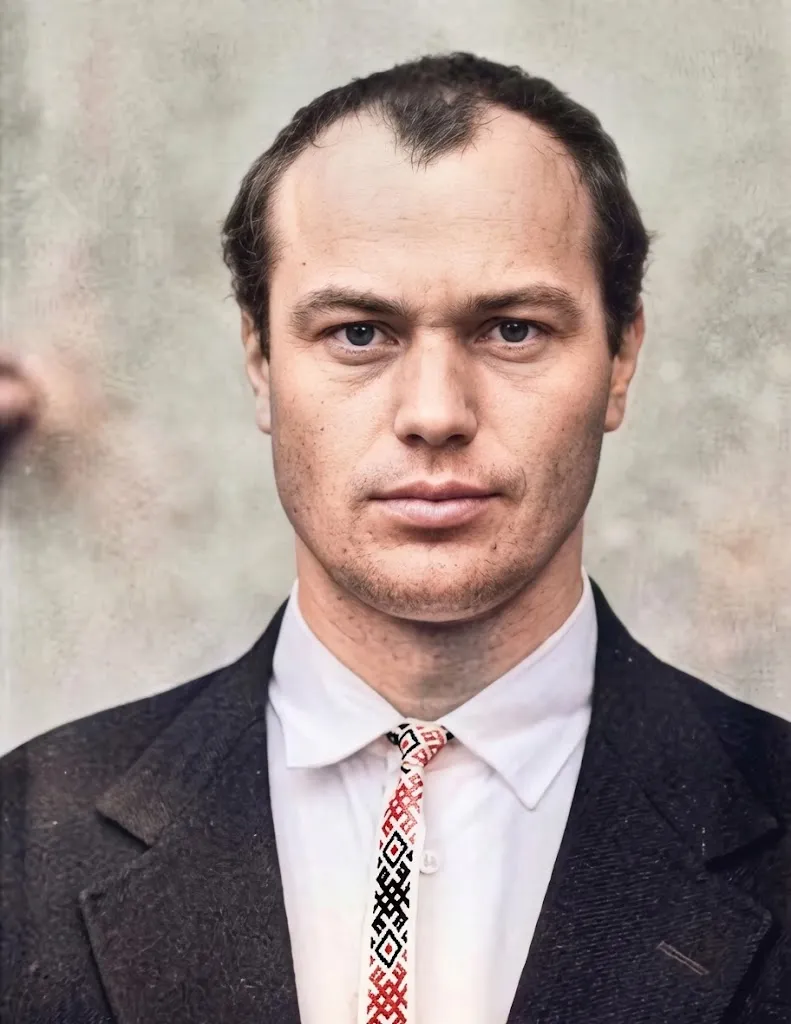
Hryhorii Chubai
Poet of the Lviv underground
His journal Skrynia came out just once, typed partly on cigarette paper. For the KGB that was enough. Hryhorii Chubai, a legend of Lviv’s 1970s underground, worked as a loader after his arrest, died at 33, and today his son Taras sings his poems.
Key accomplishments
- Initiator and editor of the samvydav almanac Skrynia (The Chest, 1971)
- The long poems Vertep (The Nativity Play), Maria, Seeking the One Involved, Light and Confession, and To Speak, To Be Silent, and To Speak Again
- Pentateuch: five collections he put together into one samvydav book himself (published 2013)
- Translations from Polish, Czech, Slovak and russian; in Skrynia, a play by Tadeusz Różewicz
- Posthumous collections: To Speak, To Be Silent, and To Speak Again (1990), Jeremiah’s Lament (1998), Pentateuch (2013)
A journal that came out once
Why call it Skrynia, “The Chest”? One of its authors later mused that it may have hinted at writing “for the drawer”, for the chest, while playing with folk motifs. That was the name of a samvydav almanac of young Lviv poets and artists, dreamed up and edited by Hryhorii Chubai in 1971. His wife Halyna typed the first issue on two kinds of paper, one of them cigarette paper. There was no politics in Skrynia, yet the KGB found it subversive. A second issue never came out.
The olympiad winner kept out of the exams
Hryhorii Chubai was born in 1949 in the village of Berezyny in the Rivne region. After school he won the republic-wide olympiad in Ukrainian literature and was invited to apply to Kyiv University. But in Kyiv he joined a rally at the Shevchenko monument, and he was not allowed to sit the entrance exams. He worked at a radio station in Chervonoarmiisk (now Radyvyliv), where his poems first appeared in print. In early spring 1969 he settled in Lviv.
The flat where everyone sat on the floor
In Lviv Chubai became a stagehand at the Maria Zankovetska Theatre, and his flat on Pohulianka became the centre of an informal circle of artists. His friends thought sitting at a table was bourgeois, so they sat on the floor. Chubai introduced them to Borges, Cortázar, Kawabata, Eliot and Pound. Asked about the latest book in a Komsomol series, Armenian Poetry, he just smiled: “Well, the Armenians are great footballers.” He became known for his long poem Vertep, about how hard it is in this world “to stay yourself”.
Through Ihor and Iryna Kalynets, Chubai got to know the dissidents and their samvydav. The underground Ukrainian Herald, edited by Viacheslav Chornovil, printed Vertep and the poem “Easter – Kosmach, 1970”, in which a prison is painted on every Easter egg. The poem belongs to a cycle Chubai dedicated to the jailed historian Valentyn Moroz.
A cell on what is now Bandera Street
In January 1972, during mass arrests across Ukraine, Chubai was arrested for “anti-Soviet propaganda”. He was held in a KGB prison on the street that now bears Stepan Bandera’s name. Sources give anything from three days to two weeks for how long he stayed there. That same year he was called as a witness at the trial of Iryna Kalynets. A KGB reviewer found “mysticism” and even “pornography” in his poem Maria.
The loader who wrote long poems
After the arrest Chubai was isolated. Meaningful work was out of reach: he was a loader and a sign painter at an insulator factory, and he went on seasonal jobs as far away as Siberia so he could give the rest of his time to poetry. In those years he wrote only one more long poem, To Speak, To Be Silent, and To Speak Again. No Ukrainian college would take him, so in 1978 he enrolled as a correspondence student at the Literary Institute in Moscow. Hryhorii Chubai died in Lviv on 16 May 1982 after a serious illness. He was 33.
Five books in one
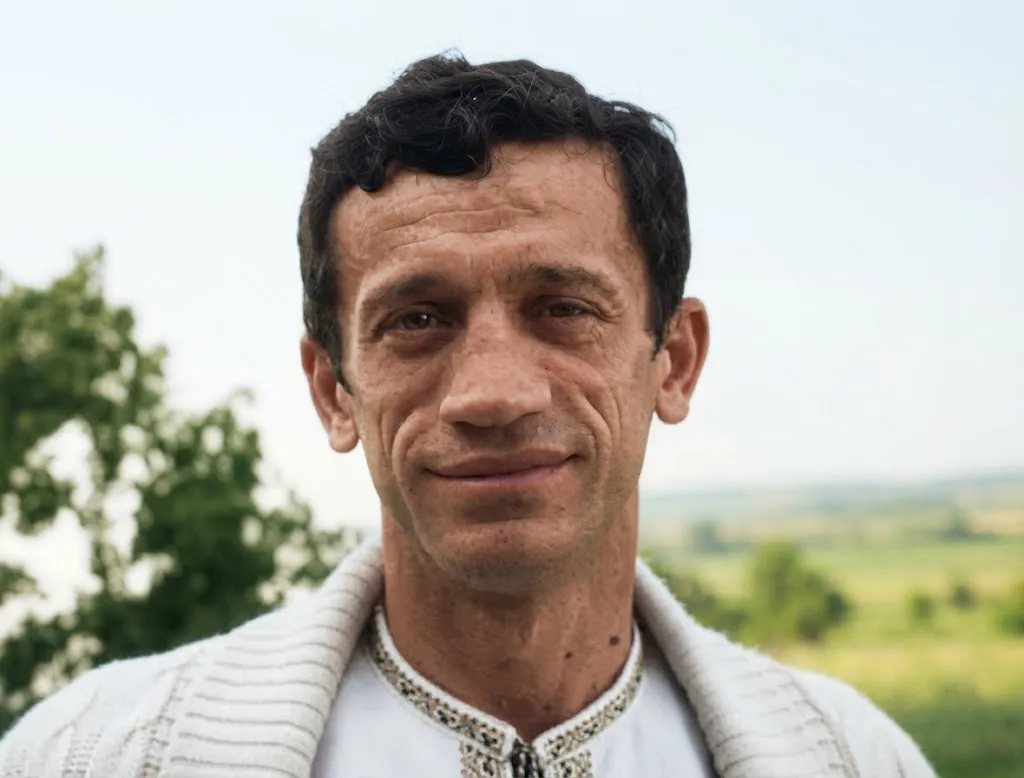
In his lifetime Chubai put five of his collections together into a single samvydav book and called it Pentateuch, after the five books of Moses. His first collection came out in print only in 1990, and Pentateuch was published in 2013, modelled on that samvydav copy. Mykola Vinhranovskyi called his poetry a young, honest, undiluted word, and Ivan Dziuba called him one of the most moving legends of Ukraine’s stagnant 1970s and 1980s. His son Taras’s band, Plach Yeremii (Jeremiah’s Lament), shares its name with one of the five, and Taras has set almost all of his father’s poems to music.
Why it matters today
Hryhorii Chubai proved that even in the stifling Lviv of the 1970s one could write freely, without giving in to the censors. He brought modern Europe into a Soviet city and became a bridge between early-20th-century Ukrainian modernism and the literature of independent Ukraine. A whole circle of young people who gathered on his floor grew into notable writers, artists and musicians. His poems, once passed around only in samvydav, are now sung on stage. Anyone who makes something of their own while everyone around demands silence keeps his Skrynia open.