1915–1941
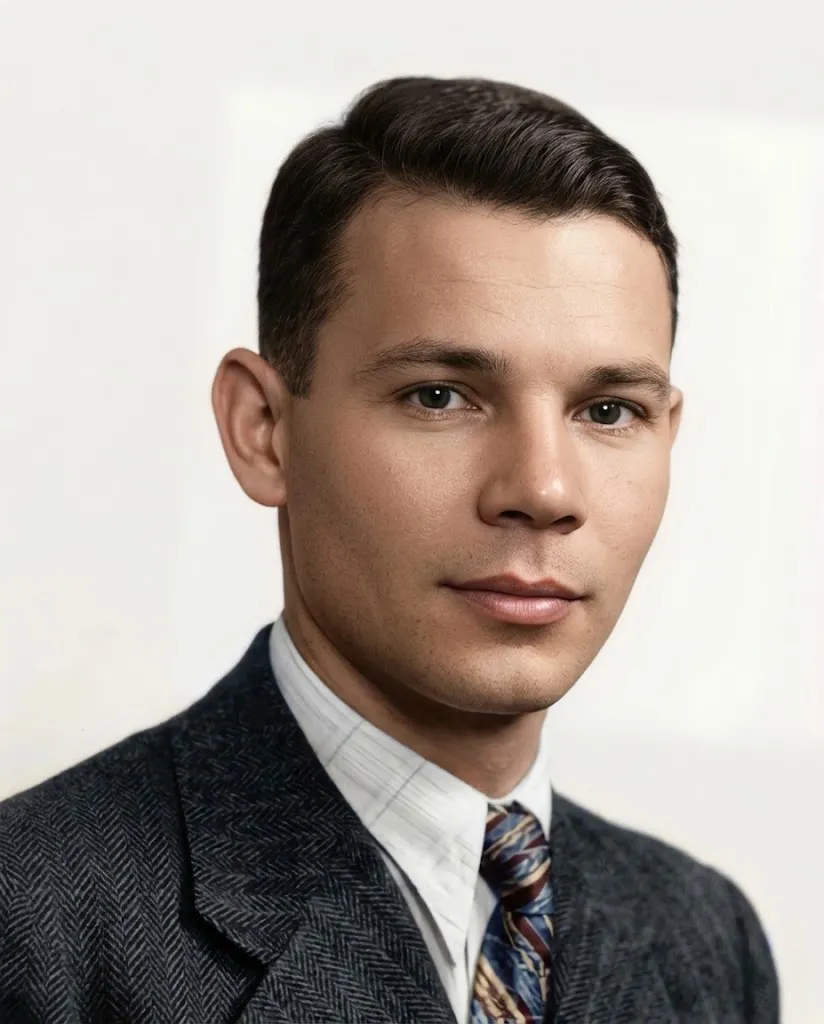
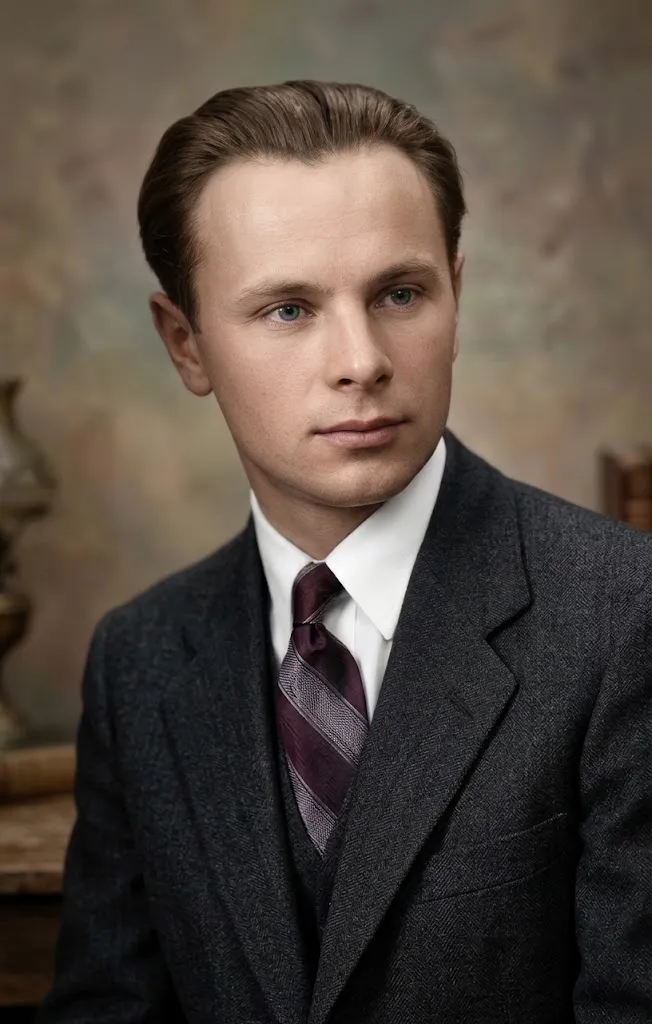
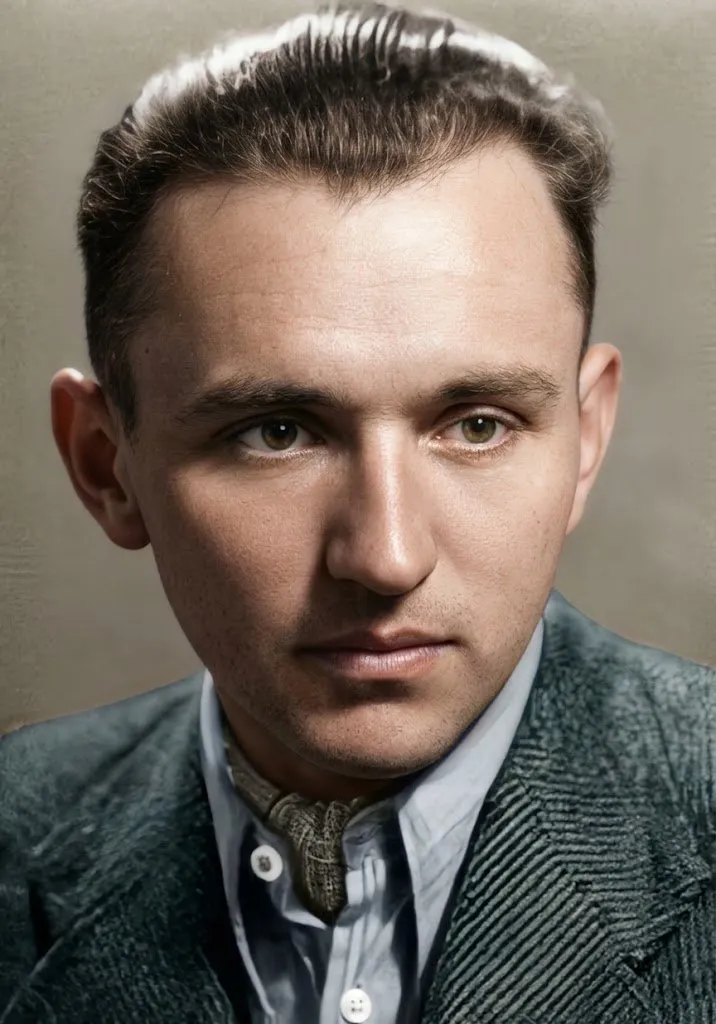
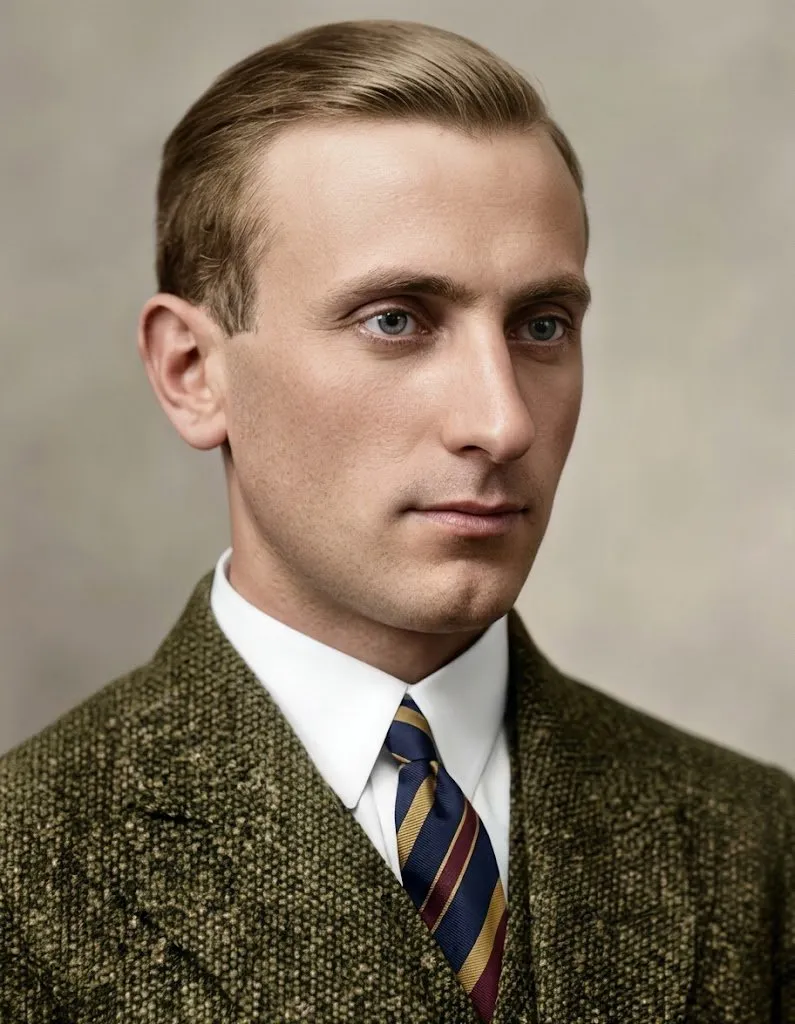
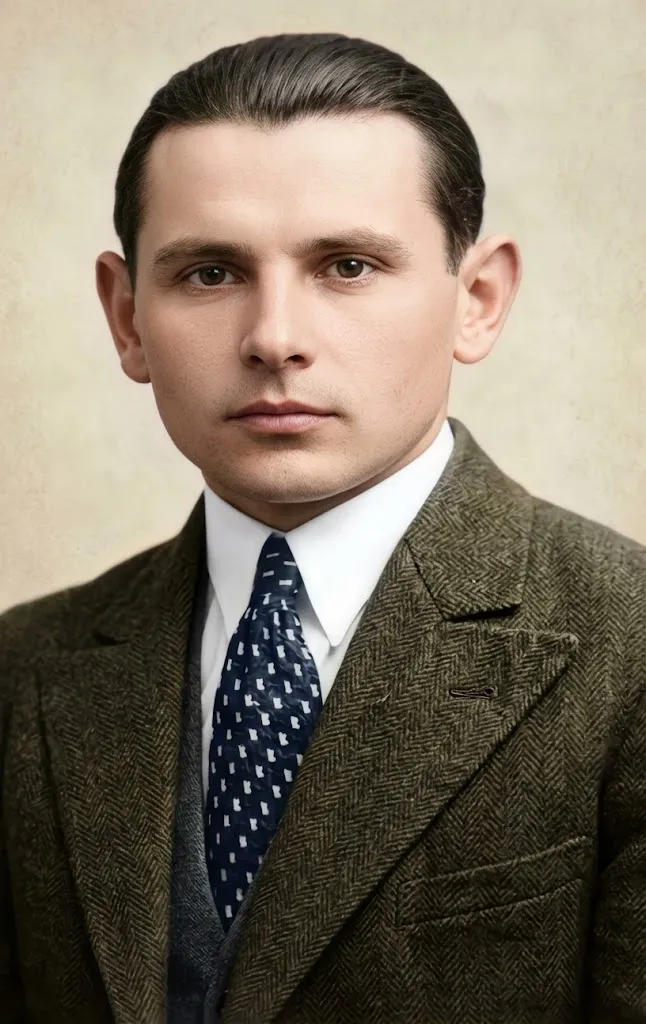
Mykola Lemyk
OUN member behind the 1933 attack
His shot became known as the “shot in defence of millions”. In 1933 Mykola Lemyk, an 18-year-old OUN member, killed an official of the Soviet consulate in Lviv in protest against the Holodomor. A political killing that is still judged in different ways.
Key accomplishments
- The assassination at the Soviet consulate in Lviv on 21 October 1933, in protest against the Holodomor
- Escaped from Polish captivity at the start of the Second World War (1939)
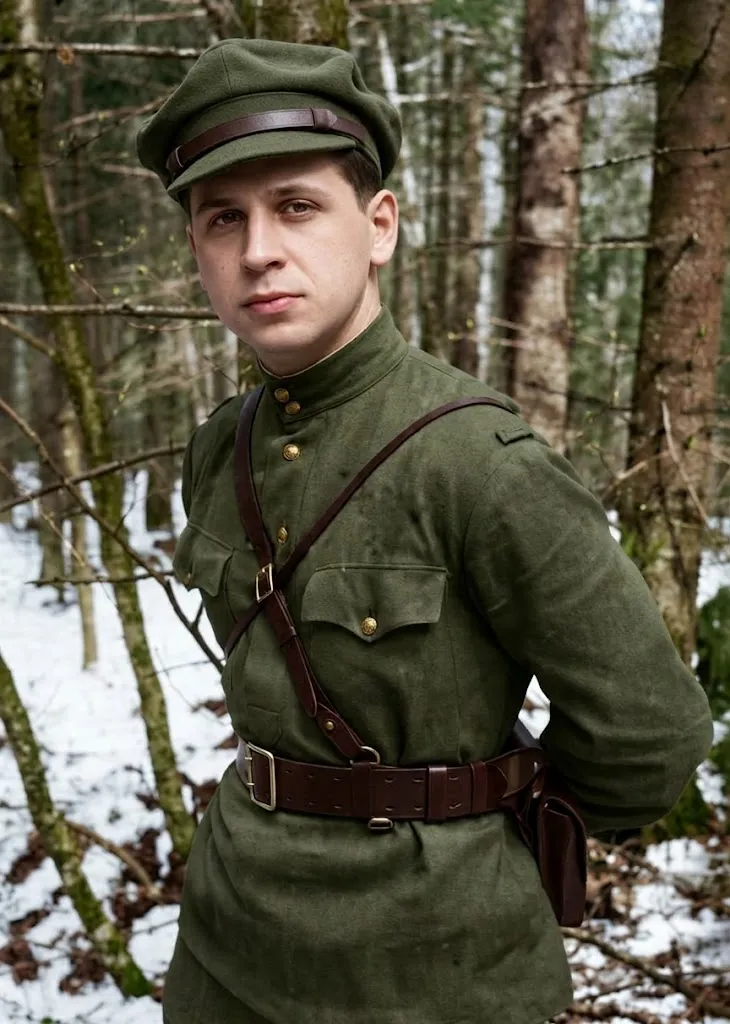
- In 1941 led the OUN(b) Middle Marching Group into eastern Ukraine
What was the “shot in defence of millions”?
In 1933 millions of people in Soviet Ukraine were dying in a man-made famine, and the USSR denied there was any famine at all. Lviv was then part of Poland, and the Soviet Union had a consulate there. The Organization of Ukrainian Nationalists (OUN) decided to carry out an assassination in it, so that the world would hear about the Holodomor. They chose 18-year-old Mykola Lemyk to do it. The shot later became known as the “shot in defence of millions”.
A student from Solova
Mykola Lemyk was born on 4 April 1915 (some sources say 1914) in the village of Solova near Peremyshliany, in the Lviv region, into a poor peasant family. Hard up as they were, his father made sure his children got a good education. Mykola went to the Academic Gymnasium in Lviv, passed his school-leaving exam with top marks and went on to Lviv University. While still at school, in 1929, he joined the OUN’s youth branch, and later its combat section, run by Roman Shukhevych. Lemyk was left-handed, yet he mastered the revolver. One reason he was chosen was that under Polish law a minor could not be executed: the attacker was meant to give himself up and use the trial to tell what was happening in Soviet Ukraine.
A day at the consulate
The attack was the idea of the OUN’s new regional leader, Stepan Bandera, who met Lemyk in Lychakiv Park and told him himself how to behave at the trial. Before the attack Lemyk asked if he could borrow better shoes: if he died, it would shame the organization that his toes were sticking out. His comrades bought him new ones, and he asked them to send his torn pair home to his father, who could mend them and wear them for a while yet. On 21 October 1933 Lemyk went into the Soviet consulate in Lviv and shot dead Oleksii Mailov, described by different sources as the consulate’s secretary or as a special agent of the Soviet secret police (GPU). He had been looking for the consul, but found Mailov in the office instead. As he fired, Lemyk said: “This is from the Organization of Ukrainian Nationalists, for the torment and death of our brothers and sisters, for the famine in Ukraine.” Lemyk waited for the police, put down his gun and let himself be arrested.
A trial that spoke of the famine
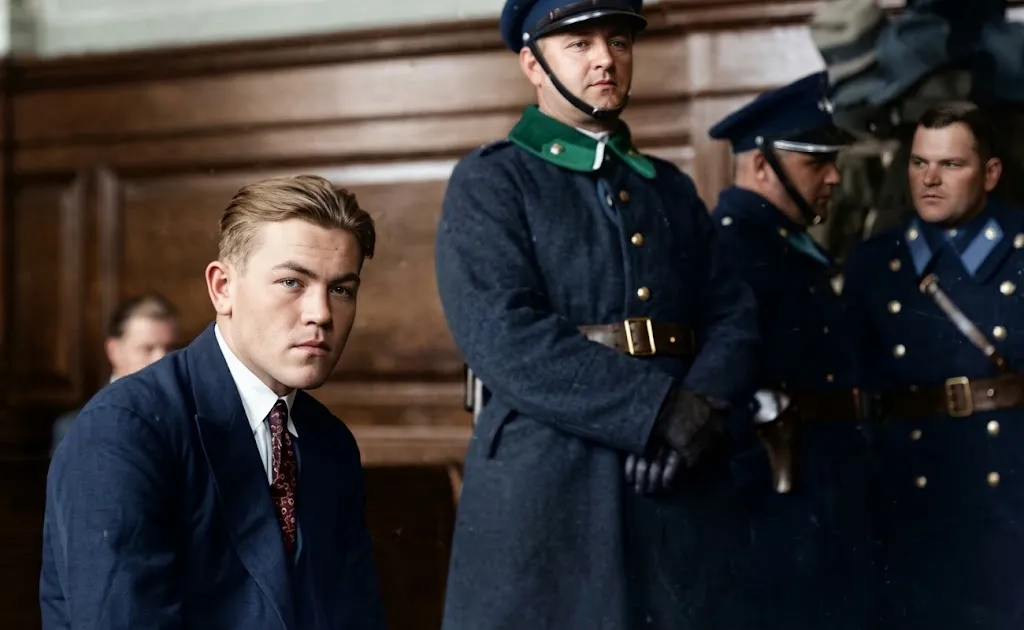
He was tried in Lviv as early as 30 October 1933, with dozens of journalists in the courtroom. Lemyk declared that he had come to kill a representative of Moscow’s rule, which was destroying the Ukrainian nation by terror and hunger. The judge would not let the defence ask about conditions in Soviet Ukraine, saying there would be no politics in his court. Lemyk was sentenced to death, but because he was a minor the sentence was commuted to life imprisonment. The trial caused a great stir.
Escape and the march east
At the start of the Second World War, in 1939, prisoners were being moved, and Lemyk escaped from the convoy. In 1940 he married Liubov Vozniak, under another surname, because his own was too well known. From June 1941 Lemyk was the OUN’s regional leader for the eastern Ukrainian lands, and that summer he led the OUN(b) Middle Marching Group: members of these groups went from Galicia into eastern Ukraine to spread the OUN’s work there. In August 1941 the Gestapo arrested him for the first time but let him go. In early October 1941 the Nazis seized Lemyk again and executed him in Myrhorod, in the Poltava region. He was 26.
Debates and assessments
Lemyk’s attack was a political killing. In those years the OUN killed its opponents, and this shot was one such killing. The man who died was not the one Lemyk had come for: sources describe him as the consulate’s secretary or as a GPU agent. Those who honour Lemyk see the attack as a desperate protest against the Holodomor and an attempt to draw the world’s attention to it. The Soviet side called the killing a crime by “anti-Soviet elements” and demanded punishment through diplomatic channels. How to judge the act remains a matter of debate.
Why it matters today
While the Soviet authorities denied the Holodomor, Mykola Lemyk, at the cost of his own freedom, made people talk about it in court and in the press. His story shows that as early as 1933 people in Lviv knew the truth about the famine and were looking for a way to make the world hear it. It is also a reminder of how fierce and contested the fight for Ukraine was between the wars. Knowing the whole story, with its desperation and its price, helps explain why the truth about the Holodomor still matters so much today.