1919–1951
Petro Poltava
Ideologist of the OUN-UPA underground
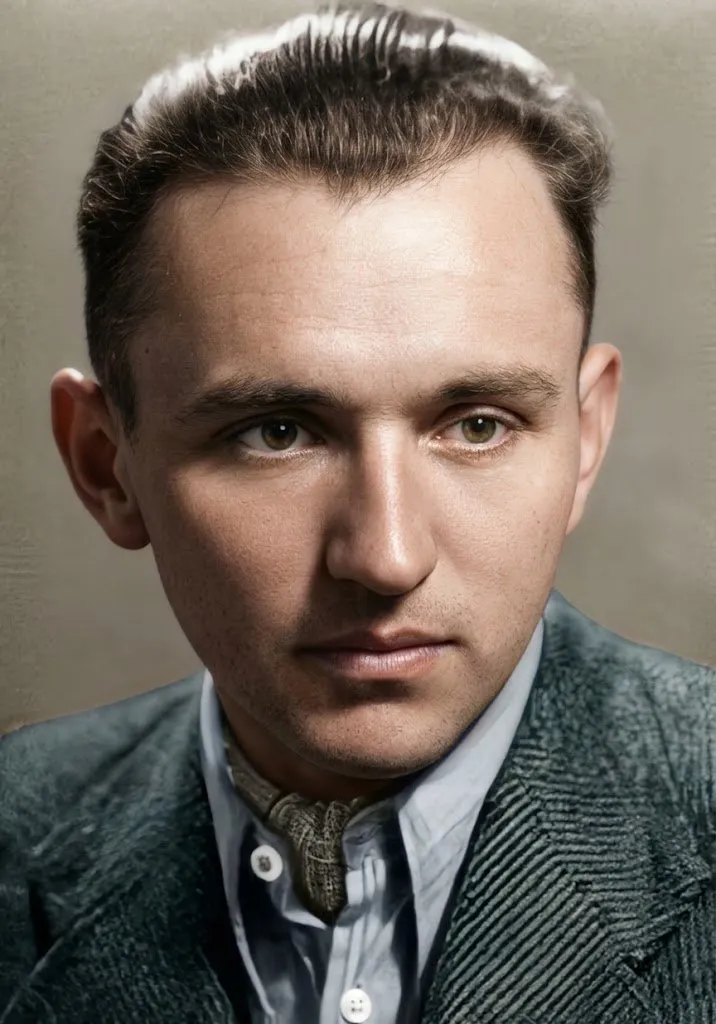
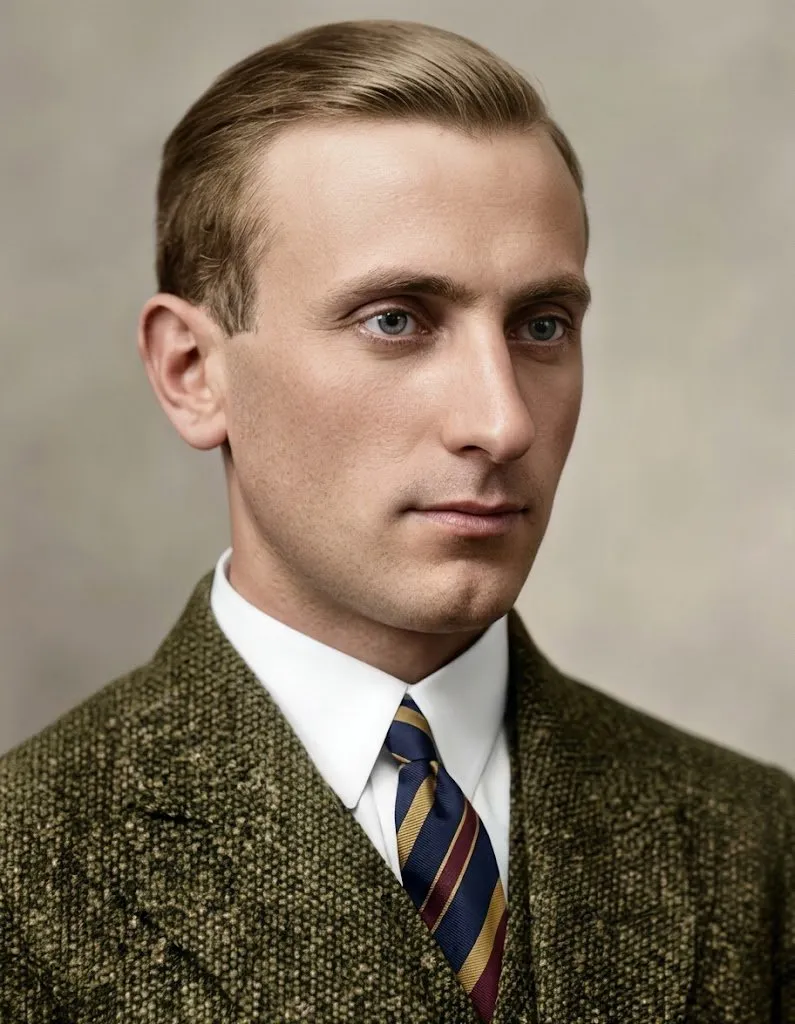
He started out as a Red Army lieutenant and became one of the UPA's ideologists. Petro Fedun, who signed his work “Petro Poltava”, ran political education at the UPA General Military Staff and wrote pamphlets on what the underground was fighting for. He died in an insurgent bunker in 1951.
Key accomplishments
- Head of political education at the staff of UPA-West (1944–1946) and at the UPA General Military Staff (1946–1949)
- Head of the Information Bureau of the Ukrainian Supreme Liberation Council (1946–1951) and deputy head of its General Secretariat, member of the OUN leadership (from 1948)
- Author of “Who Are the Banderites and What Are They Fighting For”, “Ukraine Is Perishing! Who Is to Blame?” and “The Concept of an Independent Ukraine”
- Silver Cross of Merit (1947), Gold Cross of Combat Merit, 1st class, Medal for Struggle in Especially Difficult Conditions
From lieutenant to ideologist
He was meant to be a doctor; instead he became one of the people who explained what the Ukrainian Insurgent Army was fighting for. Petro Fedun was born on 23 February 1919 in the village of Shnyriv near Brody, in the Lviv region. In 1938 he finished the Ukrainian gymnasium in Brody, and from 1939 he studied medicine in Lviv. While still at school he joined the Organization of Ukrainian Nationalists (OUN).
War and captivity
In 1940 the 21-year-old student was drafted into the Red Army. He was sent on a commanders’ course, served as an artillery lieutenant and was taken prisoner by the Germans. After getting out, Fedun returned to Lviv, went back to medicine and at the same time worked in the OUN Youth, the underground’s youth organization. He edited its magazine, Yunak, and in 1942–1943 led the OUN Youth in the western Ukrainian lands.
The voice of the underground
In 1944 Fedun went underground; that summer he ran the OUN Youth cadre school in the Carpathians. He ran political education first at the staff of UPA-West and, from 1946 to 1949, at the UPA General Military Staff, then headed by Oleksa Hasyn. He also led the OUN’s main propaganda centre and the Information Bureau of the Ukrainian Supreme Liberation Council, the political leadership of the independence movement. The centre had a hidden radio station, Afrodyta, and a large printing house, Praha, in the Carpathians; over the winter of 1949–1950 the underground presses of the Drohobych region alone turned out more than 300,000 copies. Fedun was co-opted onto the Ukrainian Supreme Liberation Council and made deputy head of its General Secretariat. In 1948 he joined the OUN leadership, and in 1950 he was made a major.
He signed his work “Petro Poltava”, and in the underground he also went by “Sever” and “Volianskyi”. He wrote about the ideas of the Ukrainian independence movement, criticized Soviet occupation policy, set out what a future independent Ukraine should look like, and tied the fight for it to social justice. One pamphlet, “Who Are the Banderites and What Are They Fighting For”, was written for people living under Soviet rule; “Banderites” was the name for followers of the OUN faction led by Stepan Bandera. His writings are considered to have strongly shaped the ideas of the insurgent movement.
The last bunker
He was hunted for years: in late 1951 about 4,500 MGB troops and officers cordoned off the forest where he was spending the winter. On 23 December they came upon his kryivka, an underground hideout, in the forest near the village of Novoshyn. Sources differ on whether Petro Fedun was killed in the fight or shot himself to avoid capture. He was 32.
Debates and assessments
The OUN and the UPA, which Fedun helped lead, are judged in very different ways. In 2015 Ukraine’s parliament passed a law recognizing members of the OUN and the UPA as fighters for Ukraine’s independence in the 20th century; in Poland the law sparked debate. In 2016 the Polish Sejm called the killings of Poles by Ukrainian nationalists in Volhynia and other parts of today’s western Ukraine during the Second World War a genocide; the same resolution also mentions killings of Ukrainians by Polish nationalists. Fedun himself led the OUN’s propaganda, and some of his writings are propaganda pamphlets.
Why it matters today
Petro Poltava showed that independence is fought for not only with weapons but with words: his pamphlets explained why Ukraine needed a state of its own and what it should be like. He joined the idea of independence to a demand for social justice and thought about how to govern a state that did not yet exist. His path from Red Army lieutenant to ideologist of the underground shows how the war forced young people to choose a side. His writings came out in exile (his “Collection of Underground Writings” was published posthumously in Munich in 1959) and were republished in independent Ukraine; they help us understand what the Ukrainian underground lived for.