1854–1917
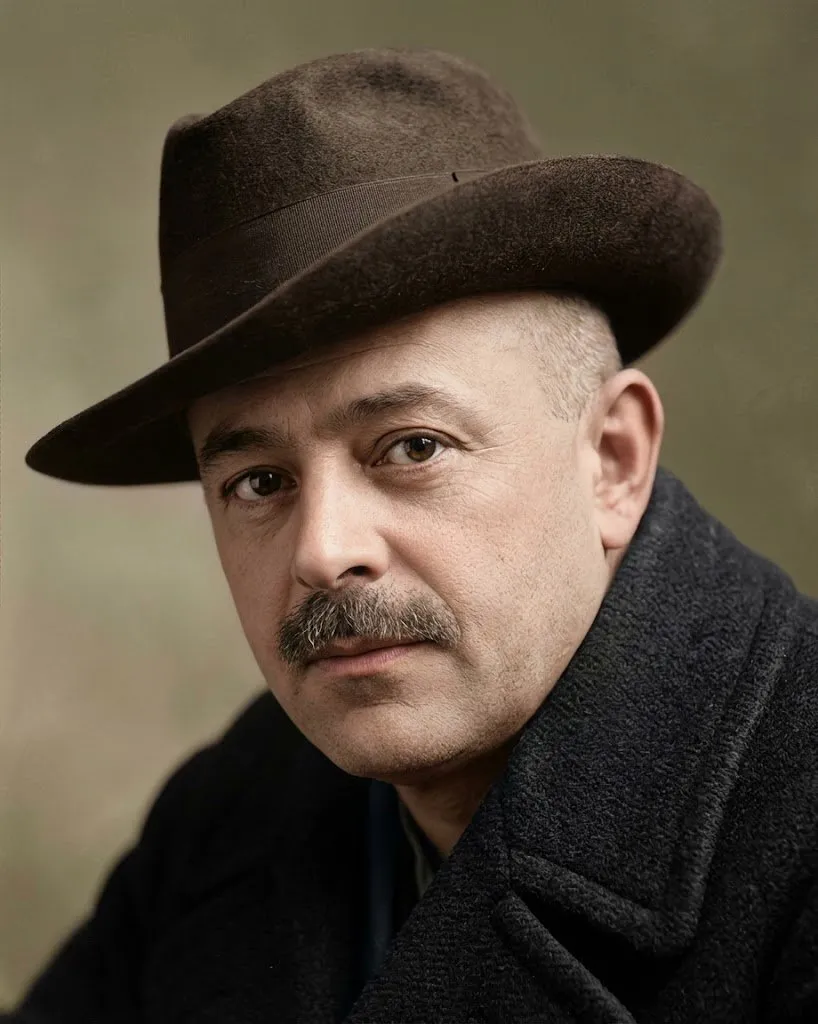
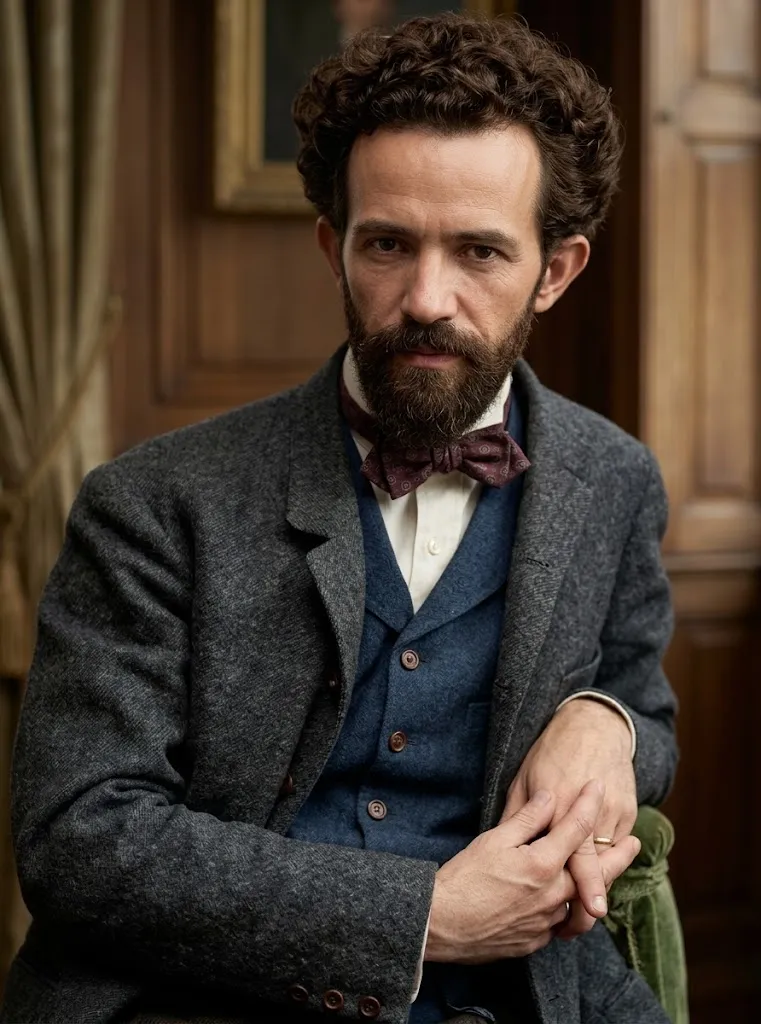
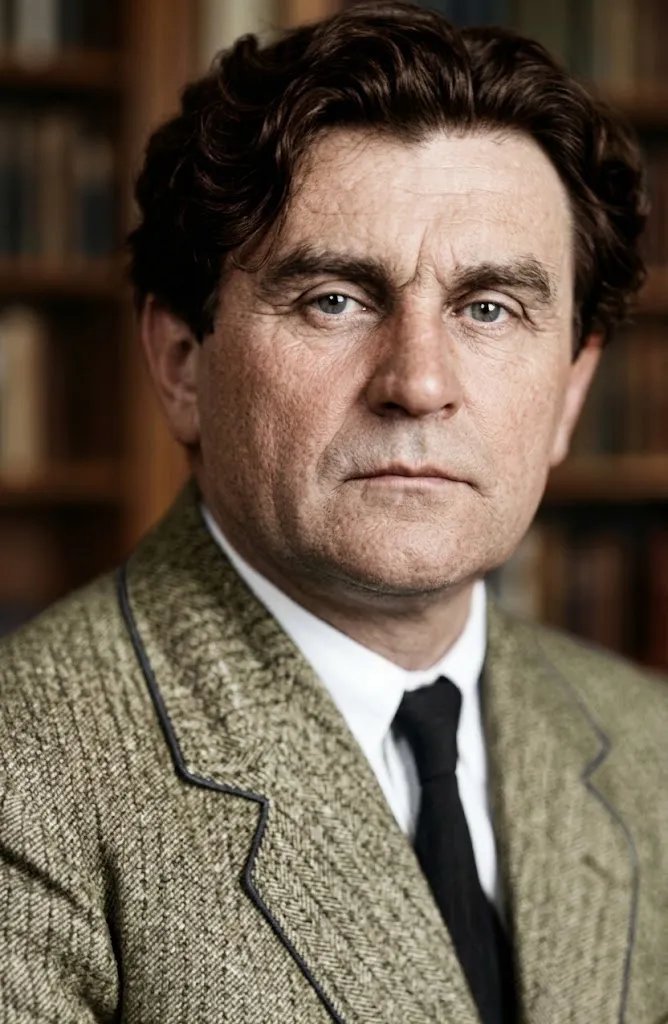
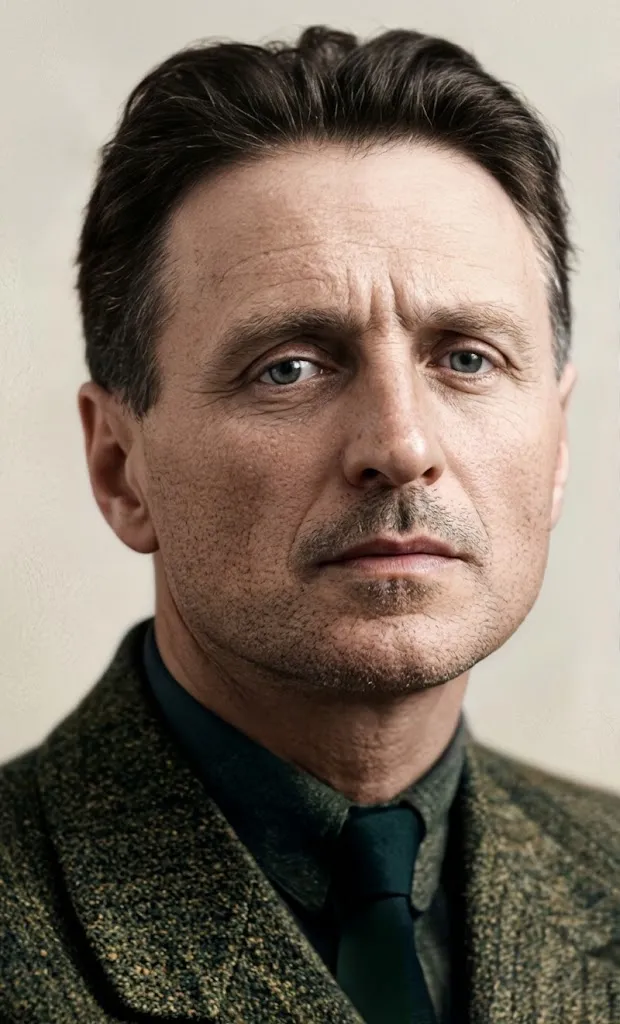
Serhii Vasylkivskyi
Painter of the Ukrainian steppe
The Paris Salon let him exhibit without the jury, an honour usually kept for recognised masters. Serhii Vasylkivskyi from Izium painted Cossacks, the steppe and the Donets, collected motifs of Ukrainian ornament and left more than a thousand of his works to Kharkiv.
Key accomplishments
- The right to exhibit at the Paris Salon without the jury
- The paintings Cossack Picket (1888), Cossack Levada (1893), Dnipro Floodplains (1896), Along the Donets (1901) and Fair in Poltava (1902)
- The albums From Ukrainian Antiquity (1900, with Mykola Samokysh, text by Dmytro Yavornytskyi) and Motifs of Ukrainian Ornament (1912)
- Panels for the Poltava provincial zemstvo building, among them The Election of Martyn Pushkar as Colonel
- About 3,000 works; he left 1,348 of them to a museum in Kharkiv
The Salon without a jury
In the late 1880s the Paris Salon allowed a young painter from the Kharkiv region to show his work without passing the jury. That honour was usually kept for recognised masters. Serhii Vasylkivskyi was born on 19 October 1854 in Izium, the son of a minor official; his grandfather was a chumak, a salt and grain carter. He learned to draw from a gymnasium teacher in Kharkiv. He dropped out of the veterinary institute and, against his father’s wishes, entered the Academy of Arts in St Petersburg.
Three in a garret
Vasylkivskyi studied at the Academy from 1876 to 1885 and graduated with a gold medal. Money was short: with his painter friends Opanas Slastion and Mykola Samokysh he rented a garret. Then he spent two years travelling in France, Spain, England, Italy and Algeria; in Paris he exhibited at the Salon.
Cossacks and the steppe
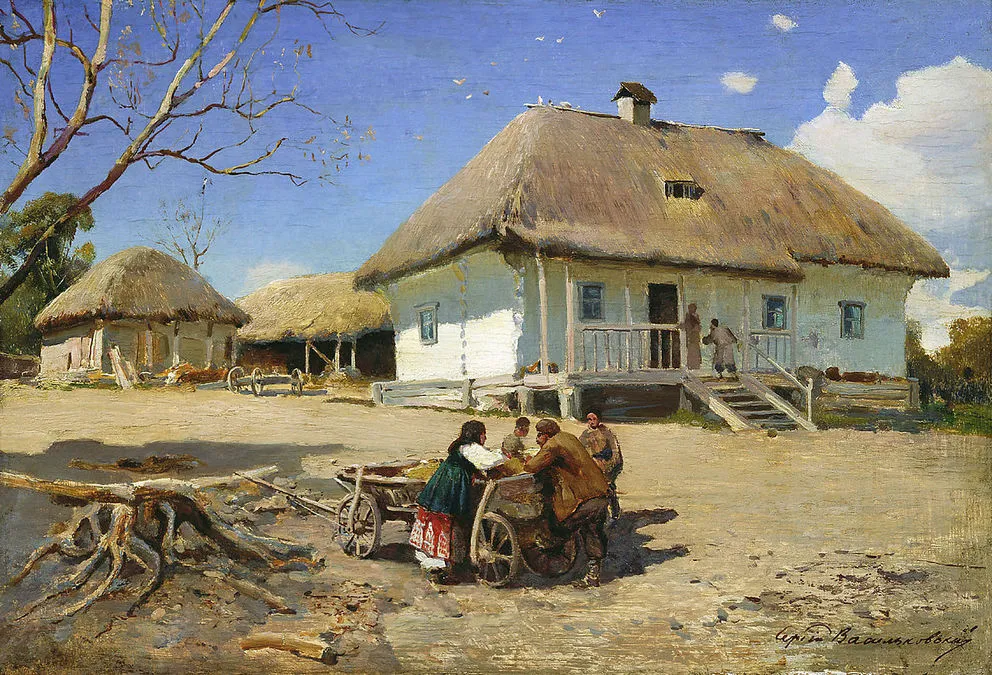
In 1888 Vasylkivskyi returned to Kharkiv and lived there for the rest of his life. He painted the steppe, the Donets and the Dnipro floodplains, chumaks and fairs, and Dmytro Yavornytskyi urged him to paint the Zaporozhian Cossacks. Out of this came Cossack Picket (1888), Skirmish of Zaporozhians with Tatars (1892), Cossack Levada (1893) and Cossack Yard.
Ukraine in ornament
With Samokysh, Vasylkivskyi made the album From Ukrainian Antiquity (1900) to a text by Yavornytskyi, drawing 27 historical portraits for it. For the album Motifs of Ukrainian Ornament (1912) he designed more than a hundred patterns. The Poltava provincial zemstvo building, built in the Ukrainian style, received his panels The Chumak Romodan Road, Cossack Holota and The Election of Martyn Pushkar as Colonel; they were destroyed in the Second World War. In the 1910s he travelled around Ukraine sketching wooden churches and folk ornament.
A gift to Kharkiv
Serhii Vasylkivskyi died in Kharkiv on 7 October 1917. He left about 3,000 works and bequeathed 1,348 of them to the city museum. Most of that collection vanished in the Second World War, and today the Kharkiv Art Museum holds the largest number of his works, 255. In 2018 Germany returned one lost study to it, and in 2022 russian occupiers carried off his painting Cossacks in the Steppe from the Kherson Art Museum.
Why it matters today
Vasylkivskyi showed that the Ukrainian steppe, its Cossacks and chumaks were worthy of great art, and Paris accepted him with exactly these subjects. He preserved on paper wooden churches and ornaments that no longer exist, and his albums taught Ukrainians to see the beauty of their own heritage. He gave his paintings to his home city so that everyone could see them. Anyone who loves their land and knows how to show it to the world carries his work on.