1884–1937
Sofiia Nalepynska-Boichuk
Graphic artist, master of the woodcut
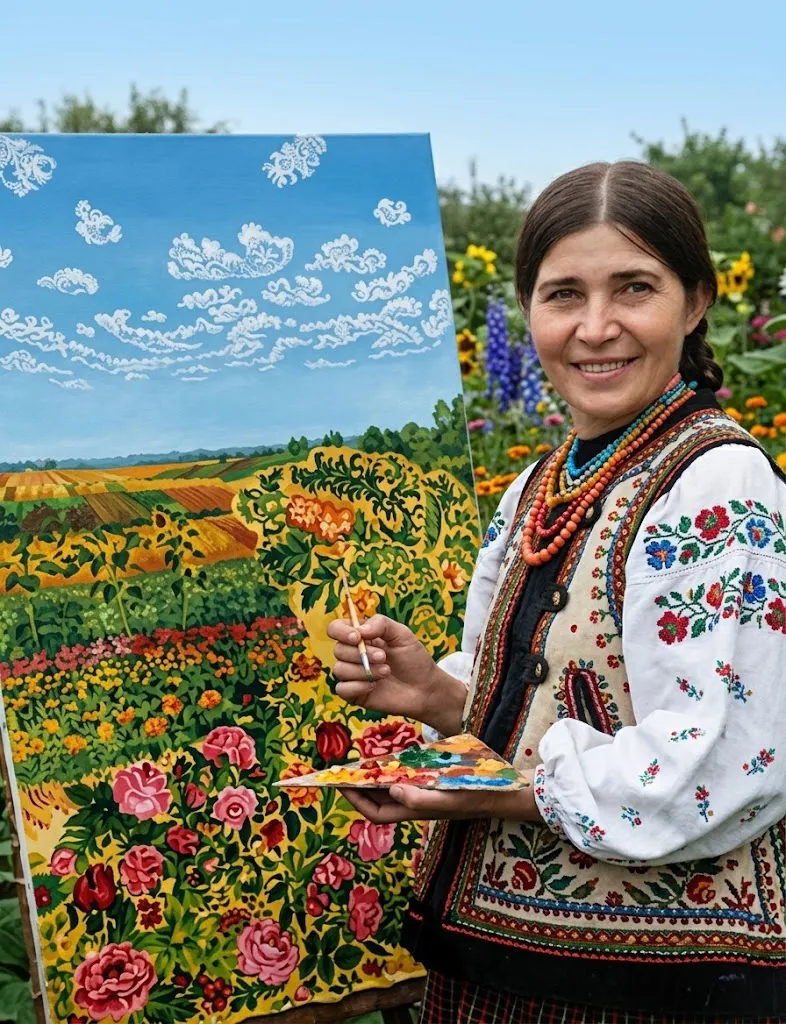
She designed banknotes and state papers for Ukraine in its 1917–1921 struggle for independence, but they were never printed. Sofiia Nalepynska-Boichuk, a graphic artist and teacher, was a Pole from Łódź who became a master of the Ukrainian woodcut. She was shot in Kyiv in 1937.
Key accomplishments
- Head of the woodcut workshop of the printing faculty at the Kyiv Art Institute (1922–1929)
- The prints Factory Apprentice (1925), Girls with a Book and Hungry Children (both 1927), Pacification of Western Ukraine (1930)
- Illustrations for Taras Shevchenko’s Kateryna (1929) and Leo Tolstoy’s Anna Karenina (1935)
- Designs for paper money (25 karbovantsi) and state papers of the 1917–1921 struggle for independence
- Work shown in more than 35 group exhibitions in 1928–1932
The girl from Łódź
Zofia Nalepińska was born in 1884 in Łódź, then a city in the russian empire and now in Poland. She was of Polish origin; her brother Tadeusz became a Polish poet. She studied art in Saint Petersburg, at the school of Jan Ciągliński, then in Munich, and in 1909 at the Académie Ranson in Paris, where Félix Vallotton and Maurice Denis taught.
A meeting in Paris
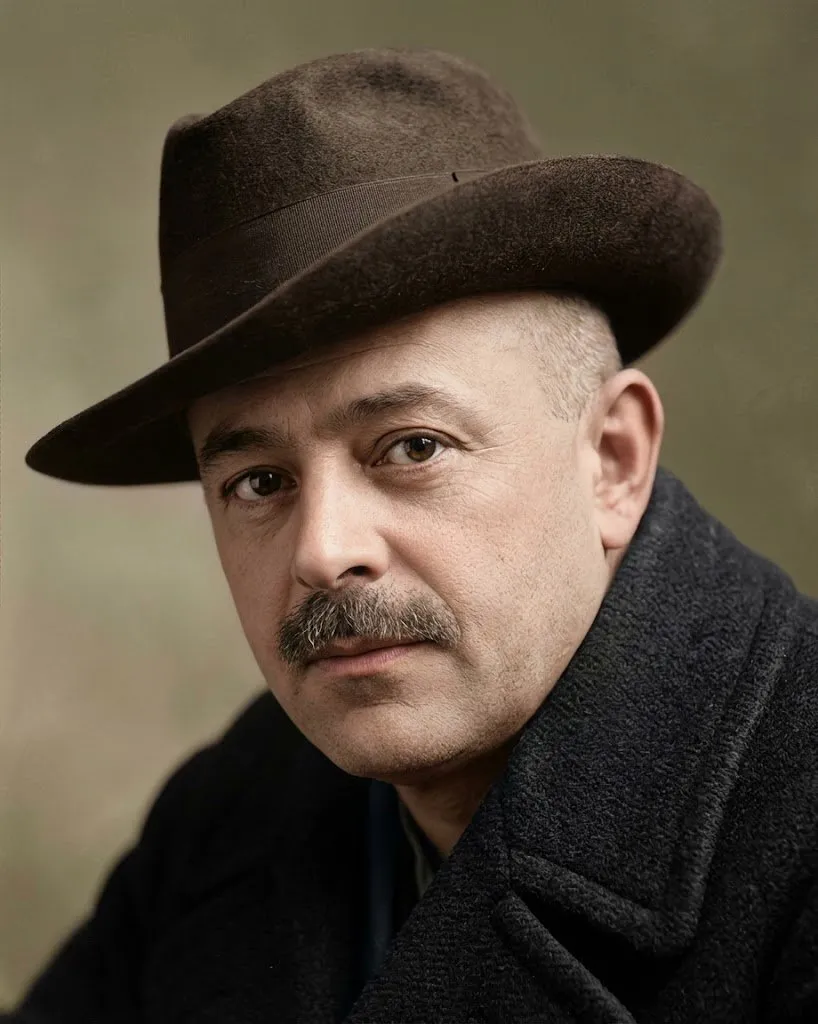
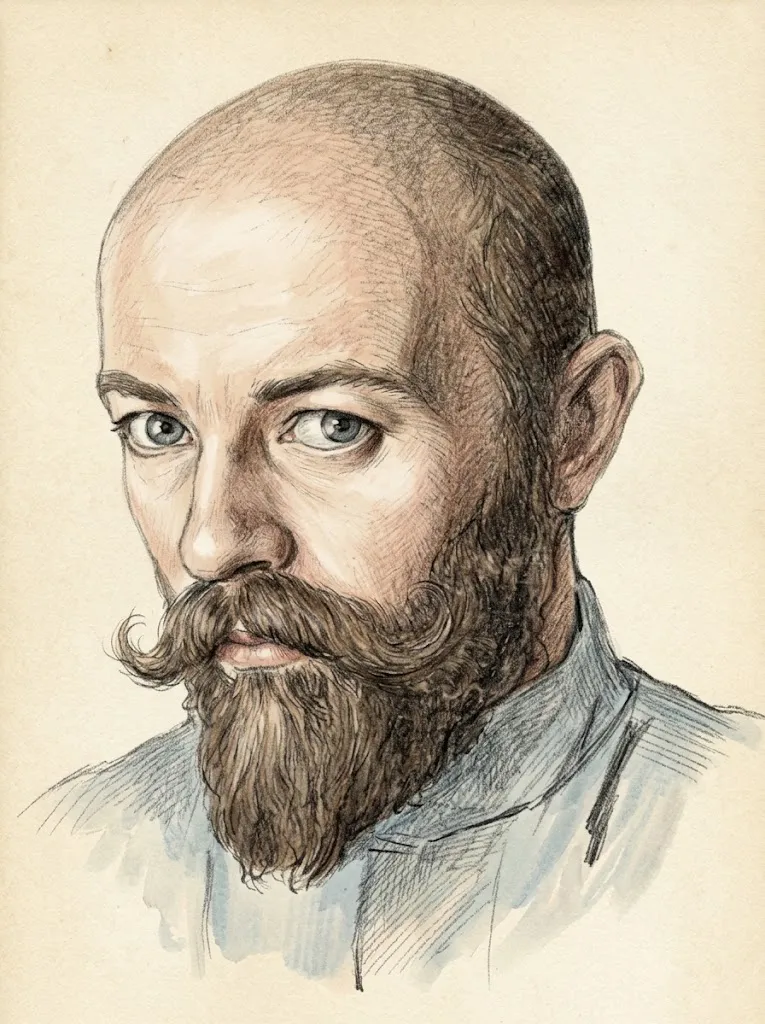
In Paris she met the Ukrainian painter Mykhailo Boichuk, and from 1917 she was his wife. That is how a Pole from Łódź tied her life to Ukraine. From 1918 (some sources say 1919) to 1921 she taught at the art school in Myrhorod, in the Poltava region.
Pictures cut into wood
How do you make a picture you can print hundreds of times? You cut it into a wooden block, then press it onto paper: that is a woodcut. This was Nalepynska-Boichuk’s technique. From 1922 to 1929 she ran the woodcut workshop of the Kyiv Art Institute. Her prints include Factory Apprentice (1925), Girls with a Book and Hungry Children (both 1927) and Pacification of Western Ukraine (1930). She illustrated Taras Shevchenko’s Kateryna (1929) and Leo Tolstoy’s Anna Karenina (1935). In 1928–1932 her work was shown in more than 35 group exhibitions. Her prints shaped younger artists too: Ivan Padalka took up printmaking following her example.
Money that was never printed
Some of her designs never became real: paper money worth 25 karbovantsi and other state papers of the 1917–1921 struggle for independence. In 1932 they were shown in Lviv at the Exhibition of Contemporary Ukrainian Graphics, organized by the Association of Independent Ukrainian Artists.
Arrest and execution
In November 1936 Mykhailo Boichuk was arrested, and on 13 July 1937 he was shot. Sofiia herself was arrested on 12 June 1937. She was accused of belonging to an anti-Soviet nationalist terrorist organization and of working for a foreign intelligence service. She did not admit guilt. On 6 December 1937, in Boichuk’s case, she was sentenced to death, and on 11 December 1937 she was shot in Kyiv.
Why it matters today
Sofiia Nalepynska-Boichuk was a Pole from Łódź who tied her life to Ukraine and became a master of the Ukrainian woodcut. She taught young artists in Myrhorod and Kyiv, and her prints show how artists of the 1920s saw Ukraine: at work, at study and in grief. She also gave her talent to a Ukraine fighting for independence, designing its banknotes and state papers. Her life is a reminder that Ukraine was also built by people who came to it from elsewhere, and that it can become home to anyone who chooses it.