1882–1937
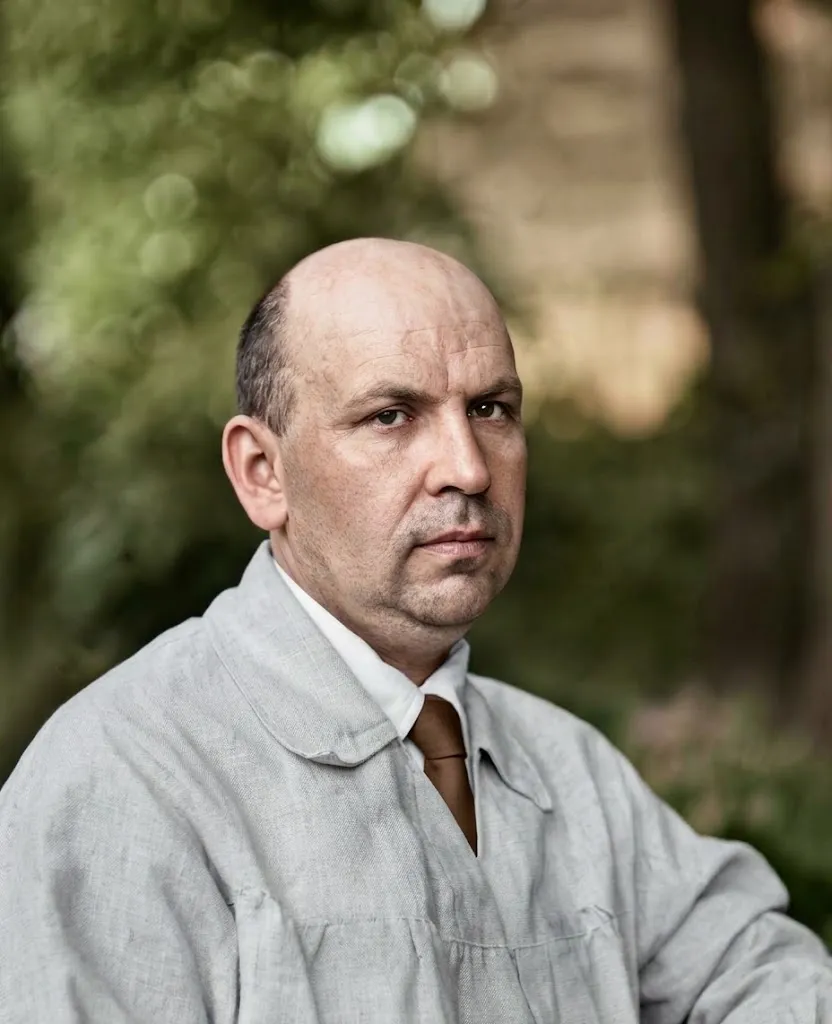
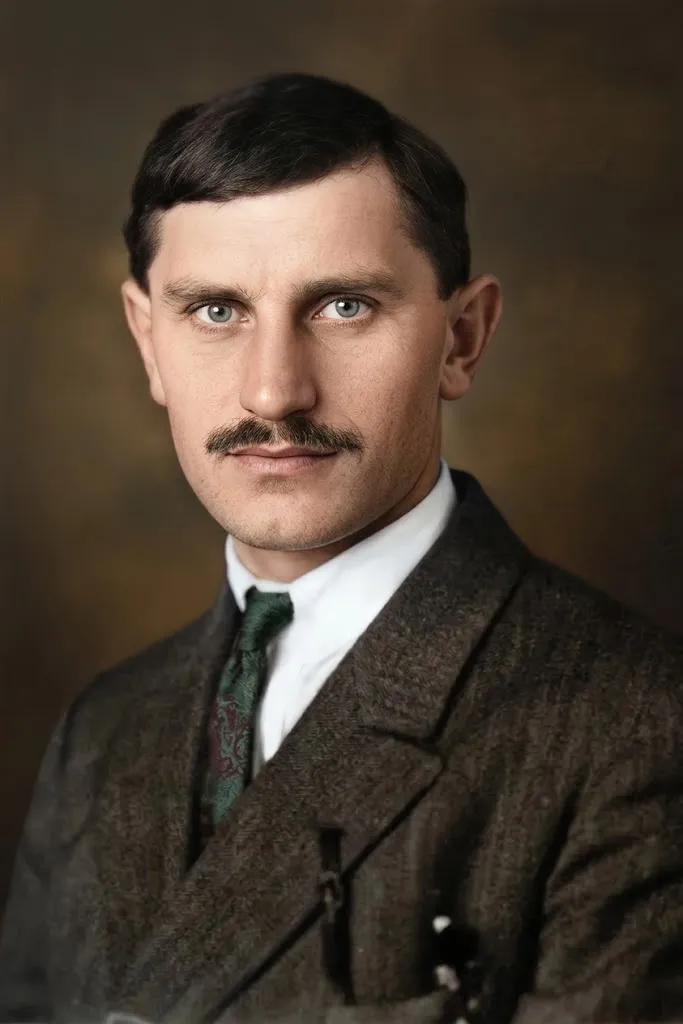
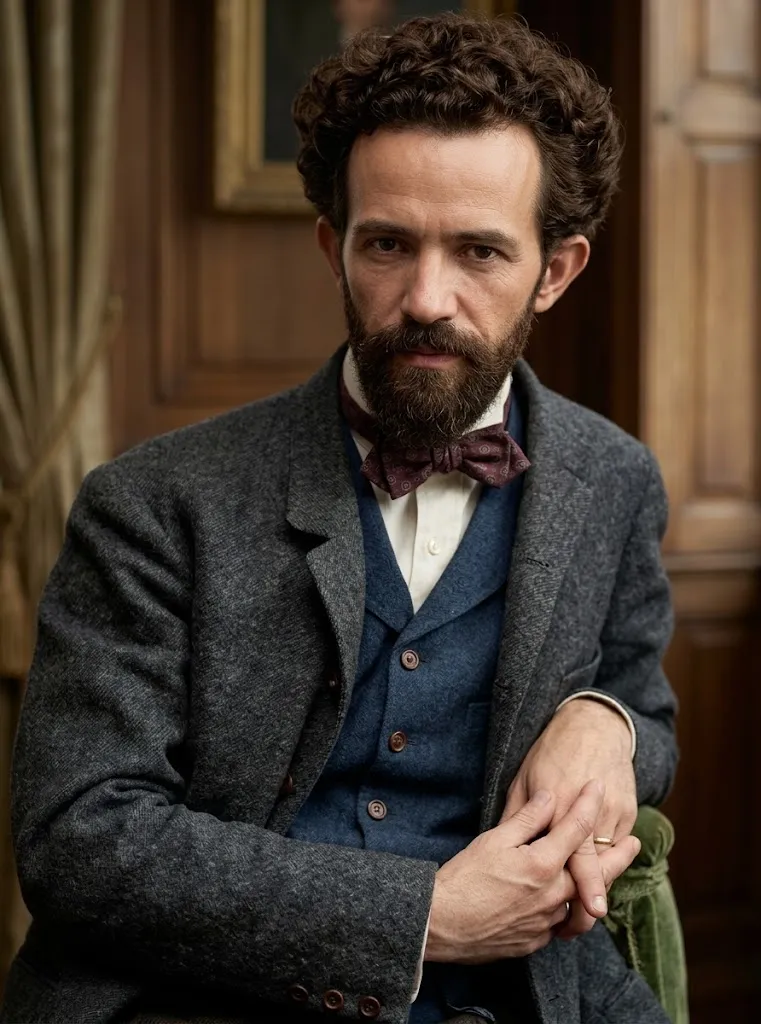
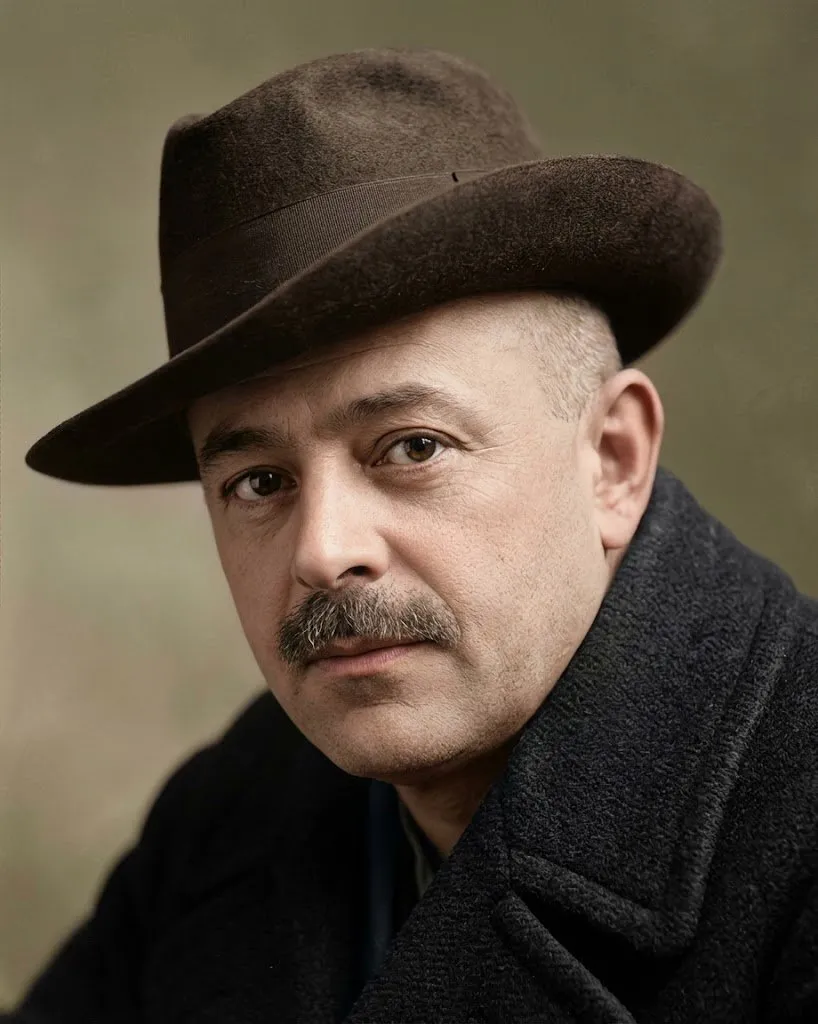
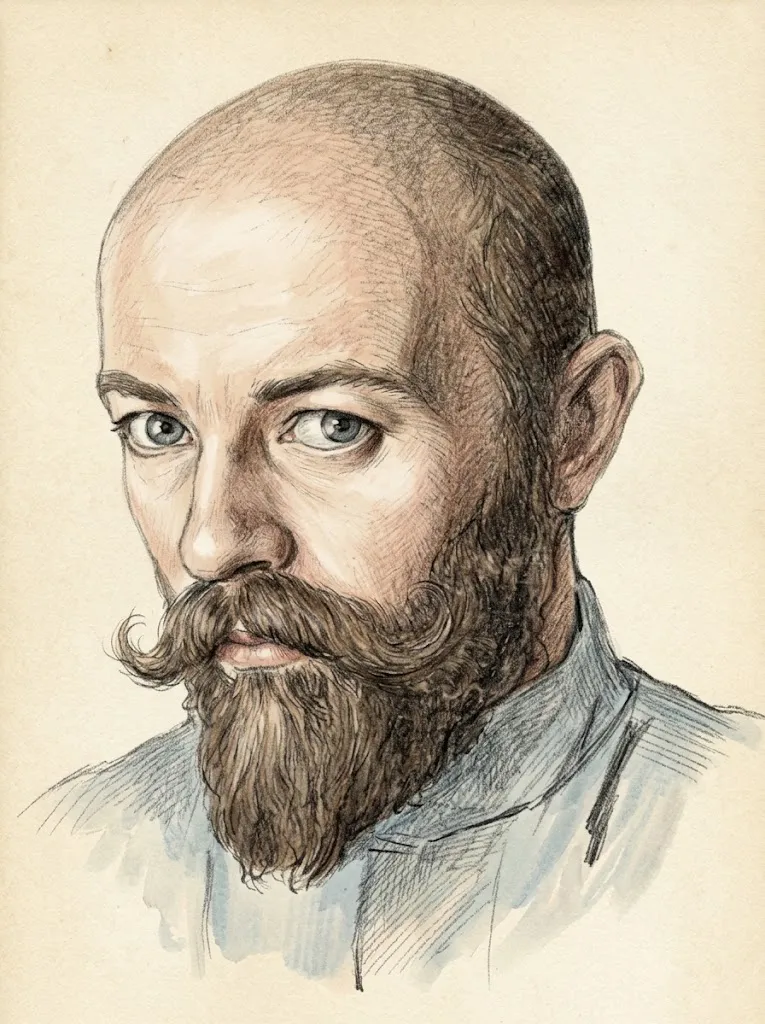
Mykhailo Boichuk
Muralist, founder of the Boichukists
He wanted new Ukrainian art to grow out of the frescoes of Kyivan Rus, icons and folk painting. Mykhailo Boichuk founded a school of muralists, the Boichukists, and with his students painted walls in Kyiv, Odesa and Kharkiv. He was shot in 1937, and most of his works were destroyed.
Key accomplishments
- Founder of the school of Ukrainian muralists, the Boichukists (Boichukism)
- A co-founder of the Ukrainian Academy of Arts (1917), where he was a professor until 1936
- Murals for the Lutsk Barracks in Kyiv (1919), a sanatorium on the Khadzhybei Estuary in Odesa (1928) and the Chervonozavodskyi Theatre in Kharkiv (1933–1935)
- Restored 15th- and 16th-century icons at the National Museum in Lviv
- Co-founder of the Association of Revolutionary Art of Ukraine (ARMU, 1925)
A boy from Romanivka
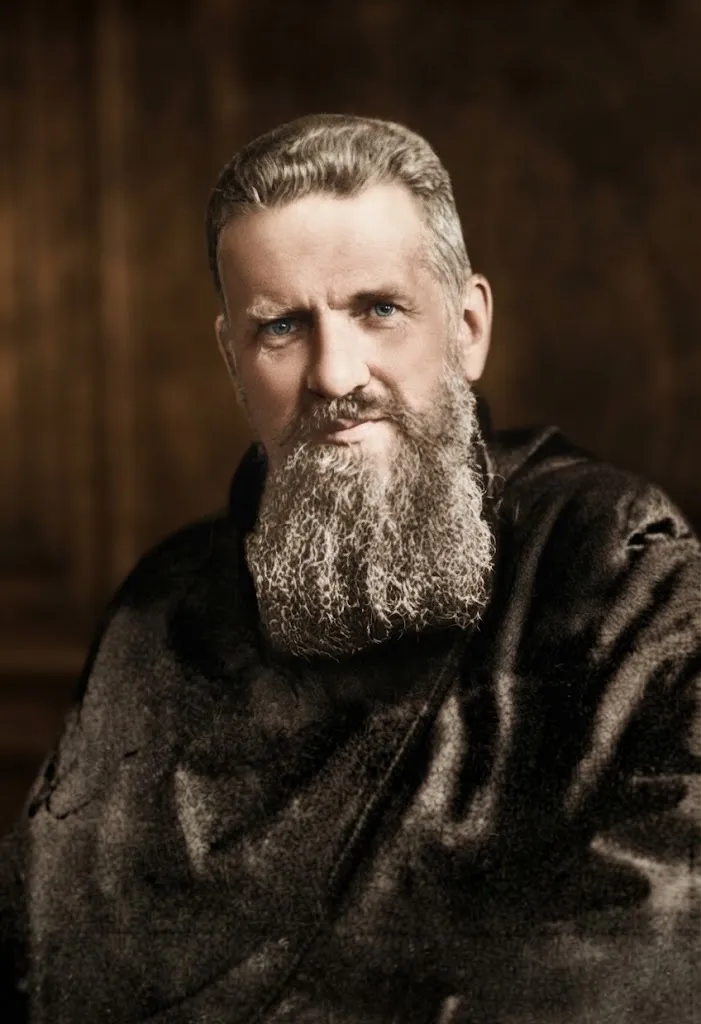
What do a medieval Kyivan fresco, a village icon and the wall of a Soviet theatre have in common? For Mykhailo Boichuk, everything: these were the roots from which he wanted new Ukrainian art to grow. He was born in 1882 in the village of Romanivka near Terebovlia, in Galicia. He learned to paint in Lviv, at the studio of Yuliian Pankevych, and then at the art academies of Vienna, Kraków and Munich. His studies were paid for by the Shevchenko Scientific Society and Metropolitan Andrei Sheptytskyi.
Byzantium in Paris
In Paris in 1909 Boichuk opened his own studio of neo-Byzantine art, and his school grew out of it. That year he showed his work at the Salon d’Automne, and in 1910 he and his students exhibited at the Salon des Indépendants. His ideas caught the attention of French critics, among them the poet Guillaume Apollinaire.
Back home
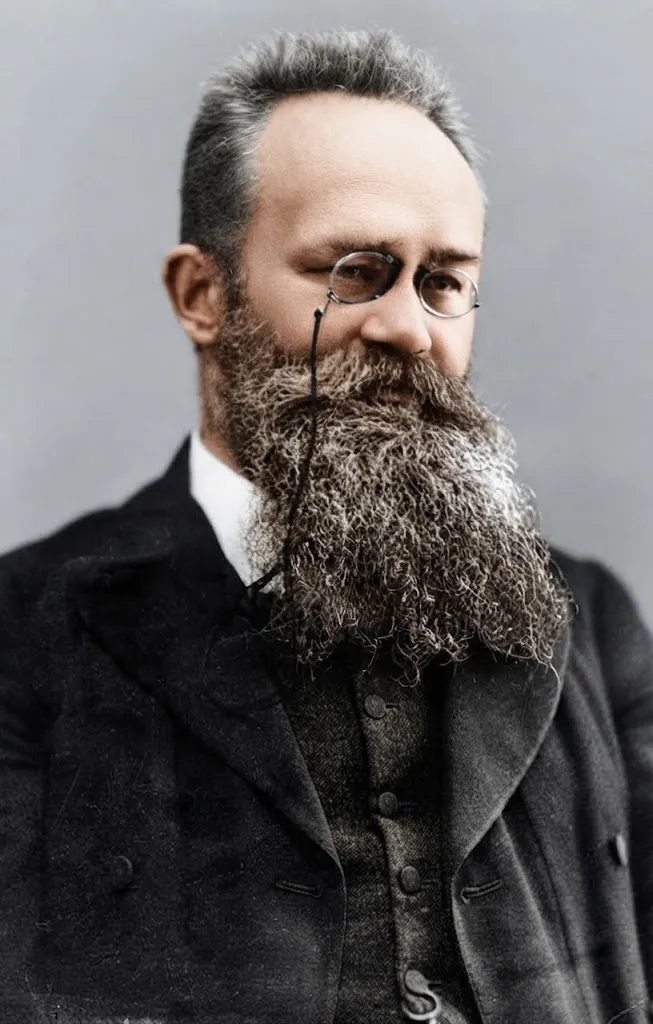
Back in Lviv, Boichuk rescued old 15th- and 16th-century icons at the National Museum. He painted the icon The Protection of the Mother of God, which includes a portrait of Metropolitan Sheptytskyi, as well as portraits of Mykhailo Hrushevskyi. In 1912–1914 he also worked in the Chernihiv region, restoring and painting a church in the village of Lemeshi. In 1914, at the start of the First World War, the russian authorities interned him as an Austro-Hungarian subject.
A school that painted walls
In 1917 Boichuk became one of the founders of the Ukrainian Academy of Arts in Kyiv, where he taught monumental art. A school formed around him, the Boichukists, among them Ivan Padalka, Vasyl Sedliar and Oksana Pavlenko. Together they painted murals for the Lutsk Barracks in Kyiv (1919), a peasant sanatorium on the Khadzhybei Estuary in Odesa (1928) and the Chervonozavodskyi Theatre in Kharkiv (1933–1935). In 1930–1932 Boichuk also headed the composition department at the Leningrad Academy of Arts.
Arrest and execution
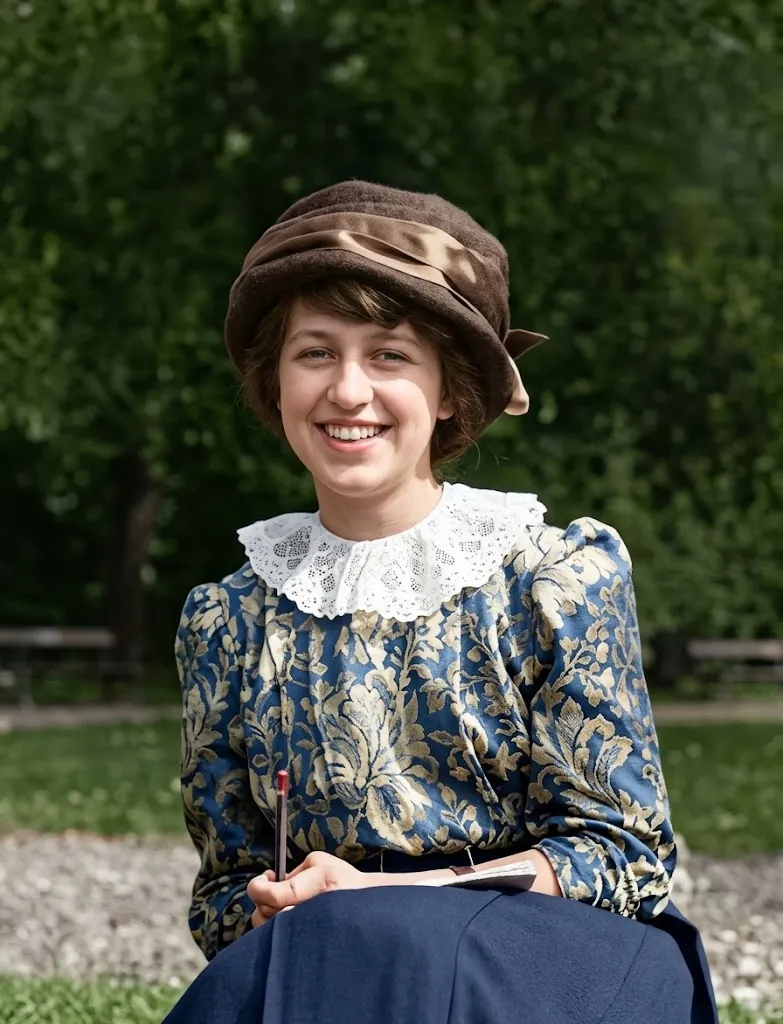
On 25 November 1936 Boichuk was arrested. He was accused of “Ukrainian bourgeois nationalism”, of leading a made-up terrorist organization and even of being an “agent of the Vatican”. On 13 July 1937 he was shot in Kyiv, on the same day as his students Ivan Padalka and Vasyl Sedliar. His wife, the artist Sofiia Nalepynska-Boichuk, was also shot later. Most of Boichuk’s works were destroyed: in 1952, 14 of his paintings were removed from the National Museum in Lviv and destroyed as “ideologically harmful”.
Why it matters today
Mykhailo Boichuk showed that modern art doesn’t have to copy anyone else: it can grow from its own roots, from medieval Kyivan frescoes, icons and folk painting. With that idea, Ukrainian art caught the eye of critics in Paris and stood close to the search of Diego Rivera. Boichuk didn’t work alone: he raised a whole school, the Boichukists, and together they put art on walls where everyone could see it. For anyone making things today, his example is simple: you don’t have to give up what is yours to be modern.