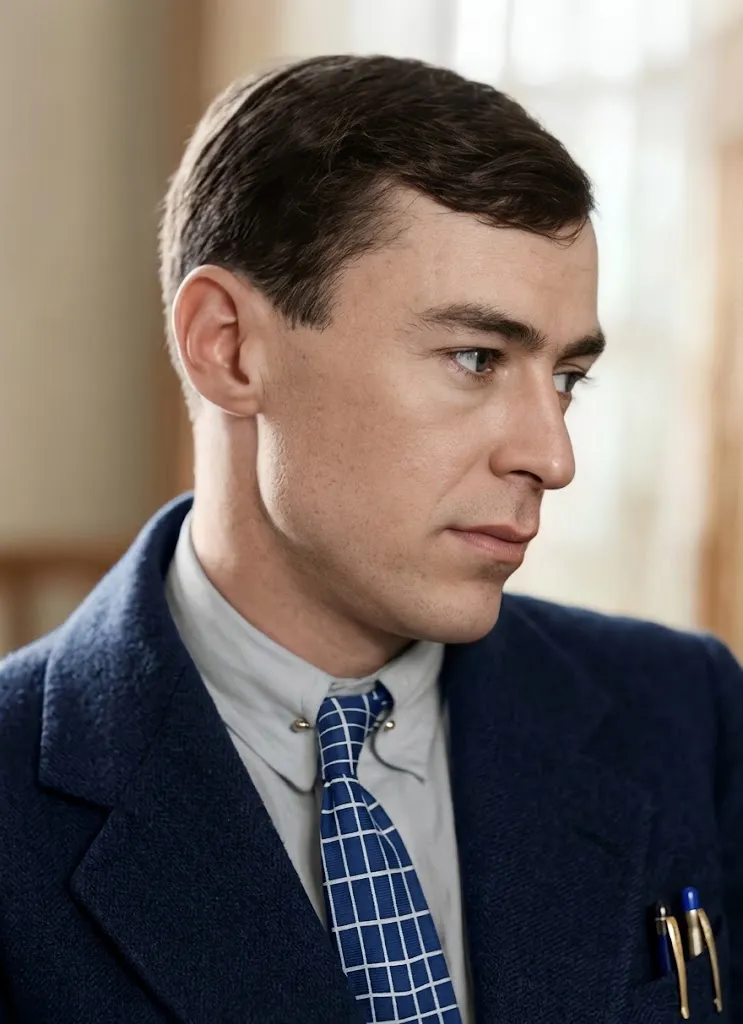
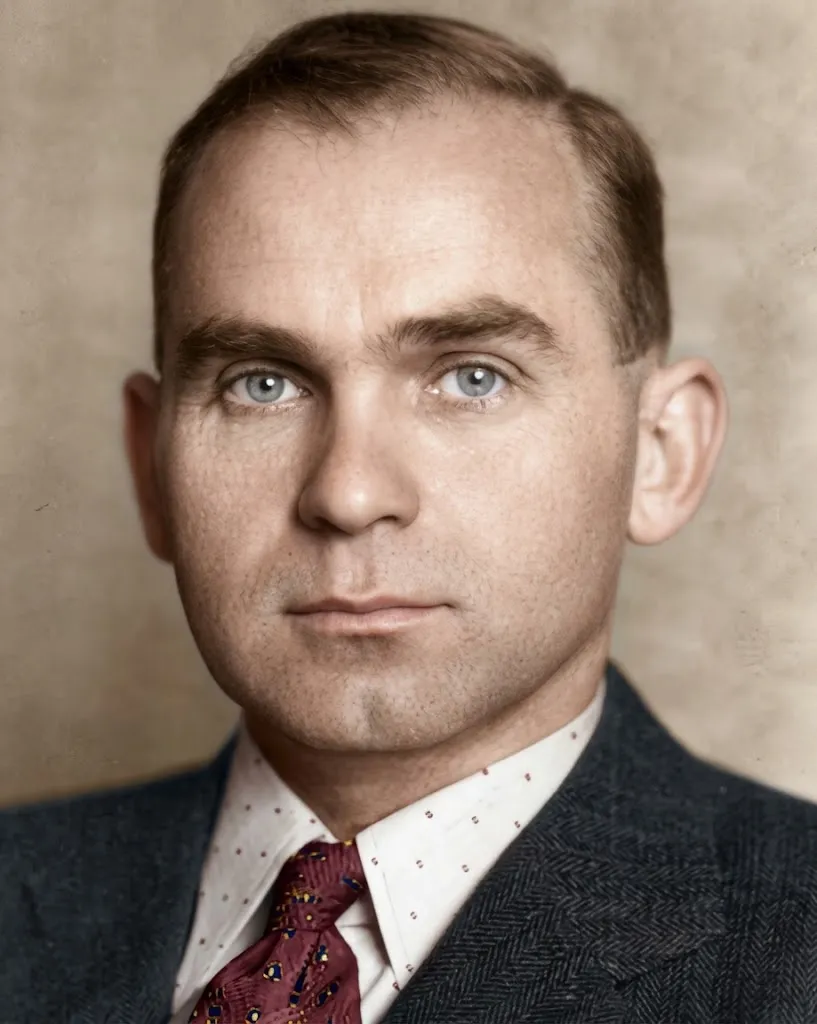
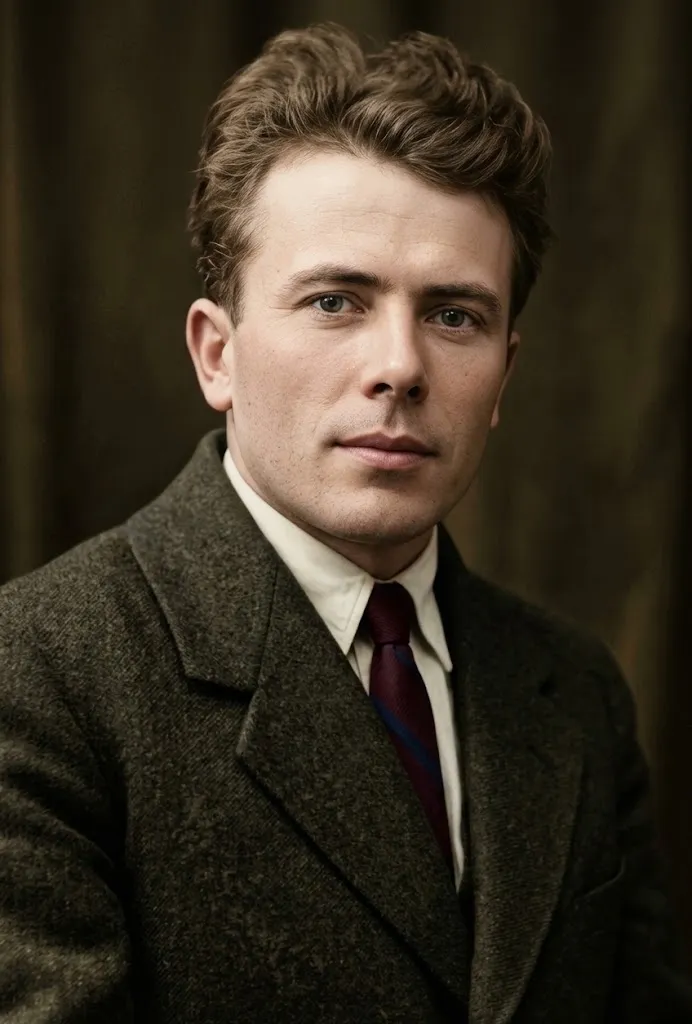
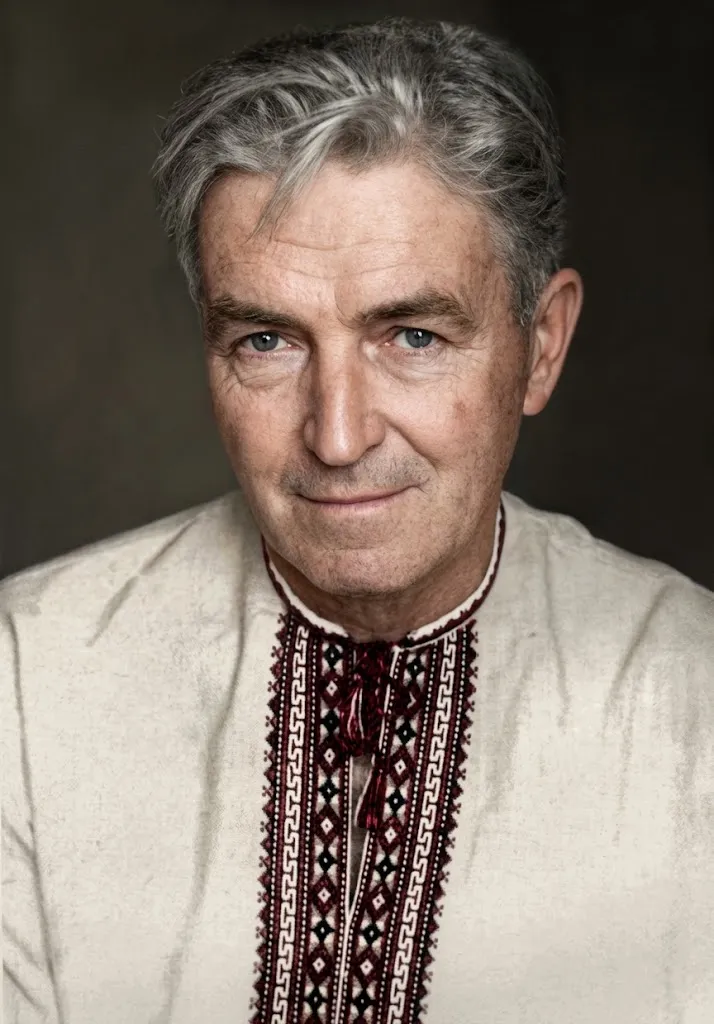
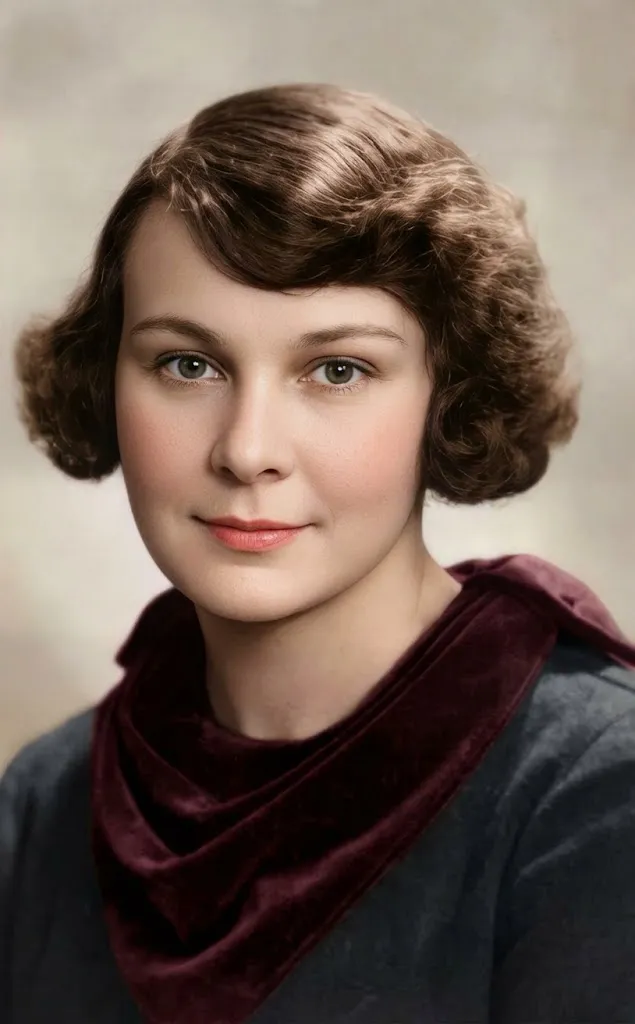
c. 1903–1937
Vasyl Vrazhlyvyi
VAPLITE prose writer and translator
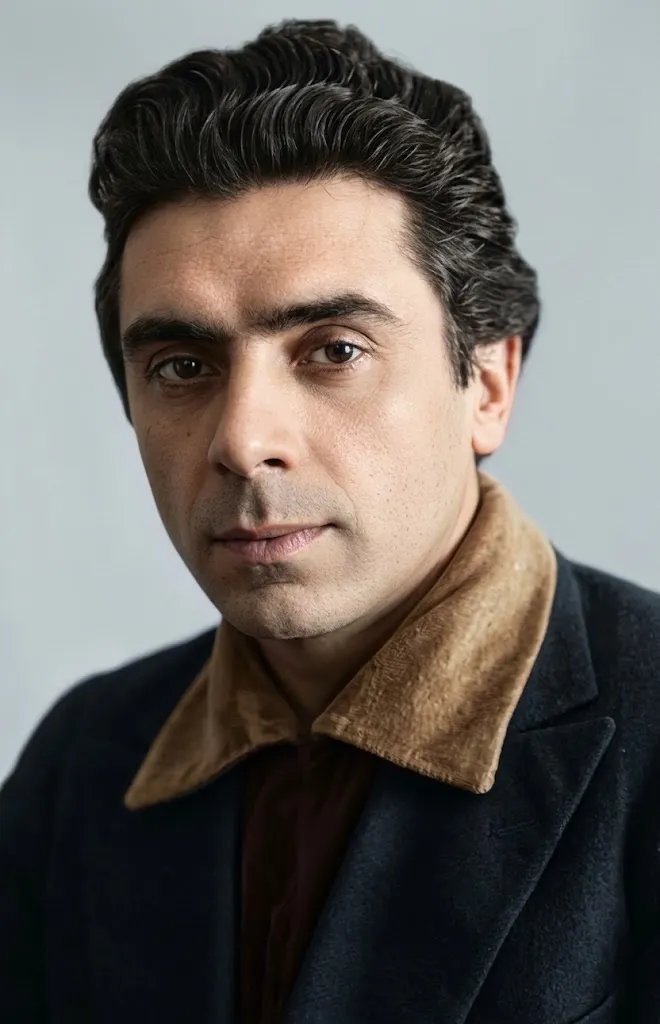
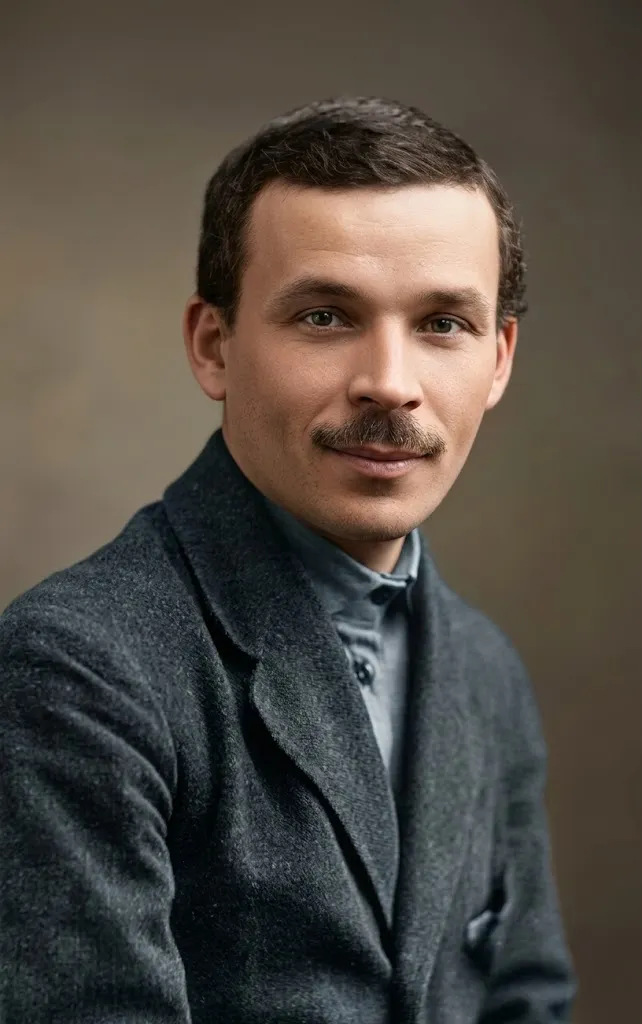
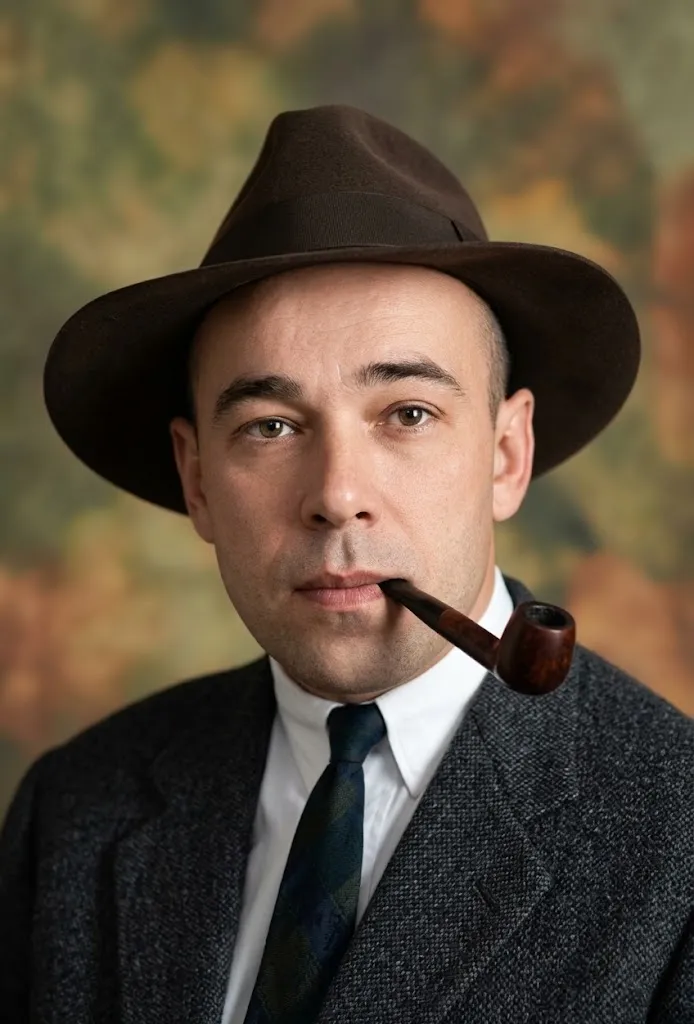
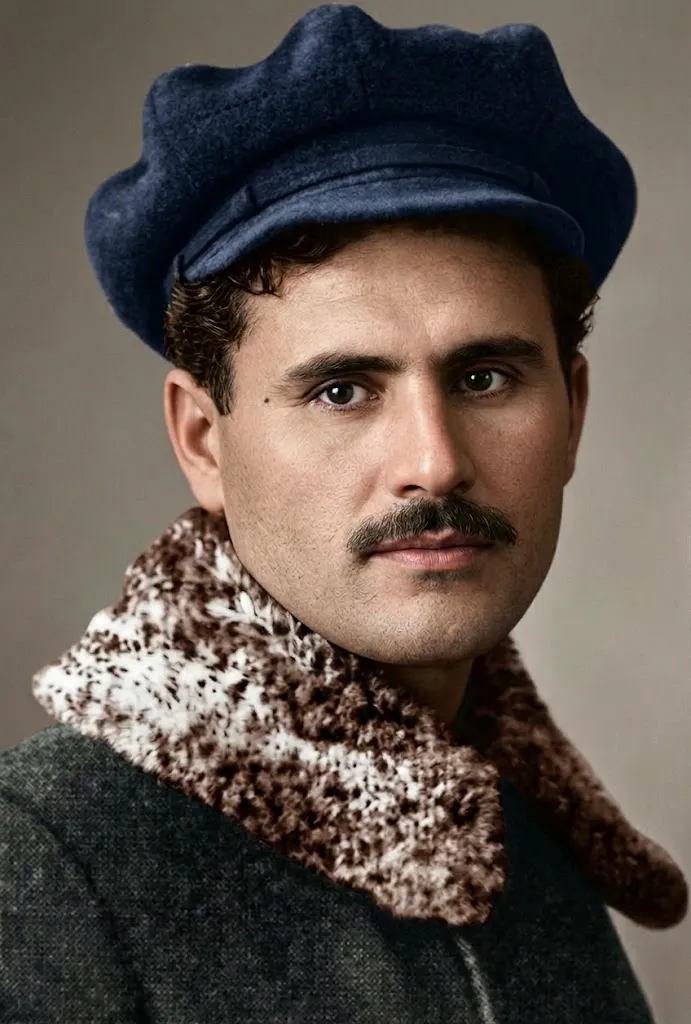
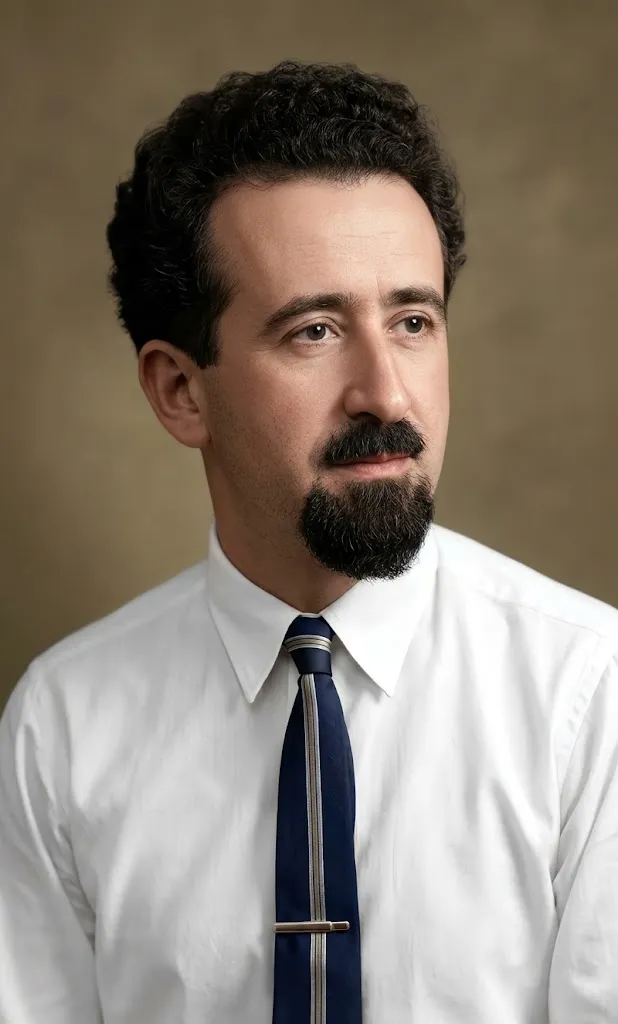
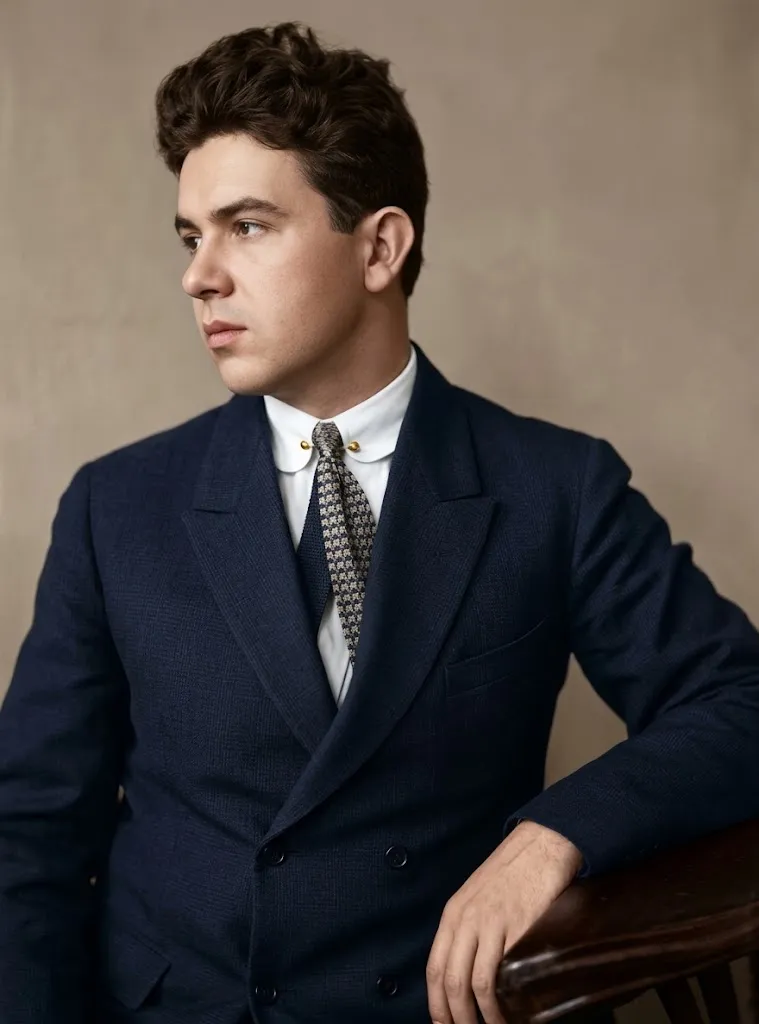
How do you publish a novella against Bolshevism in Soviet Kharkiv? Vasyl Vrazhlyvyi hid the truth in allegory. A prose writer and translator of the VAPLITE group, he was arrested in 1934, imprisoned on the Solovky Islands and shot in December 1937.
Key accomplishments
- The story collections In the Ravine (1924), Earth (1925), The Wolf Thickets, Youth and Six Stories (1930)
- The allegorical novellas The Life of a White Building (1927) and Father (1929)
- The novella Victory (1932) and the novel A Matter of the Heart (1933)
- Translations of Balzac’s The Wild Ass’s Skin (1929) and Lesage’s Gil Blas (1935)
- Member of the literary groups Urbino (1924), VAPLITE (1926–1928) and Prolitfront (1929–1931)
Stories with a false bottom
How could anyone write a novella against Bolshevism in 1920s Soviet Kharkiv, and get it published? Vasyl Vrazhlyvyi did it through allegory. Scholars read his novellas The Life of a White Building (1927) and Father (1929) as a rejection of Bolshevism’s inhuman core. They show how the new regime’s “social experiment” broke people’s lives and tore down everything a person and a society stood on.
From Opishnia to Kharkiv
The writer’s real surname was Shtanko. He was born in 1903 in the small town of Opishnia in the Poltava region. He finished secondary school in Zinkiv and an agricultural school in Opishnia, then studied at an evening technical school for workers in Kharkiv. He first went into print in 1923, and from 1924 he worked as an editor at the State Publishing House of Soviet Ukraine.
In Khvylovy’s circle
In Kharkiv Vrazhlyvyi grew close to Mykola Khvylovy, Mykola Kulish, Mykhailo Yalovyi and Hryhorii Epik. He belonged to the literary groups Urbino (1924), VAPLITE (1926–1928) and Prolitfront (1929–1931). He wrote about the most downtrodden people of the village and the city, about violence and broken lives, and saw his characters through a humanist’s eyes. That gave us the collections In the Ravine, Earth and The Wolf Thickets, the novella Victory (1932) and the novel A Matter of the Heart (1933). He also translated Balzac’s The Wild Ass’s Skin and Lesage’s Gil Blas into Ukrainian.
Solovky
In 1934 the NKVD, the Soviet secret police, arrested Vrazhlyvyi in Kharkiv in a fabricated case of a “counter-revolutionary organization of former Borotbists”. In 1935 he was sentenced to ten years, which he served in the Solovky prison camp. In 1937 investigators made up a new charge of “sabotage, terrorism and espionage”. Vasyl Vrazhlyvyi was shot on 8 December 1937, the same day as another Solovky prisoner, the satirist Mykola Liubchenko (Kost Kotko). Vrazhlyvyi was rehabilitated in 1956.
Why it matters today
Vasyl Vrazhlyvyi showed that even under the censor’s eye a writer could tell the truth about violence: through allegory, through one person’s fate. He wrote about the people least heard, and he took the side of the person, not the system. He translated Balzac and Lesage for Ukrainian readers. His prose belongs to the literature of the 1920s that the regime tried to erase along with its authors, and everyone who opens it gives them back their voice.