1891–1930
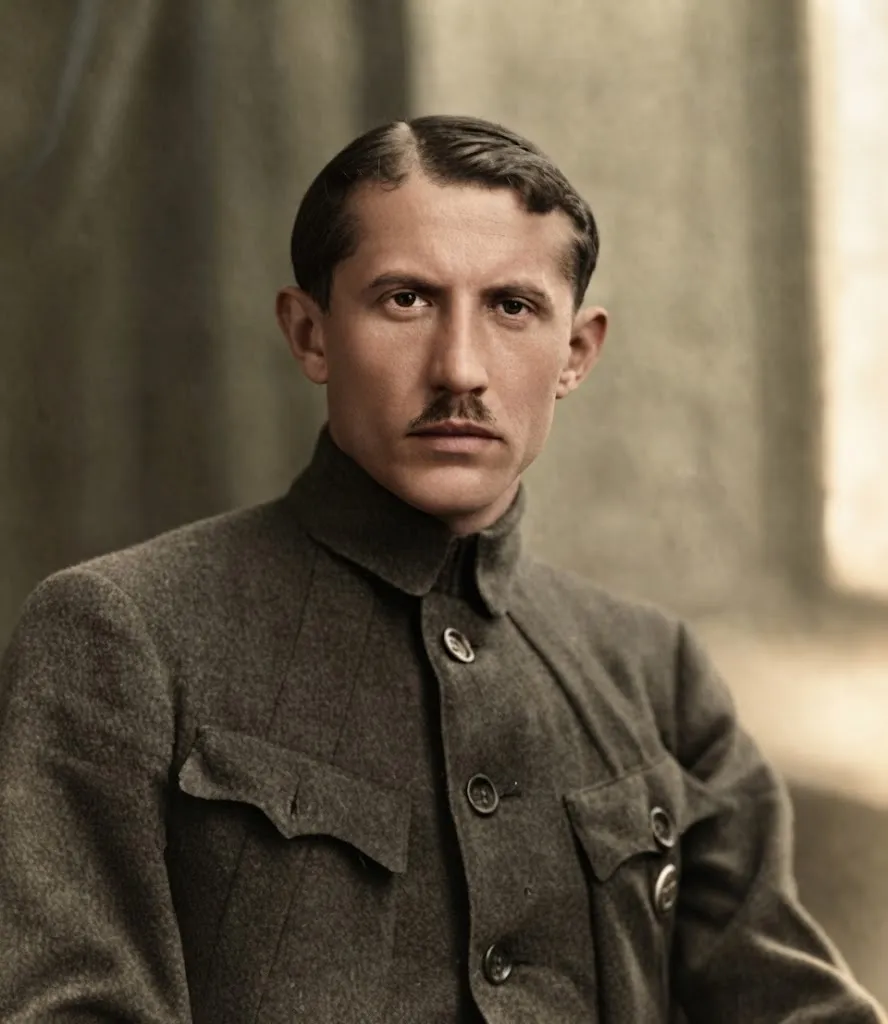
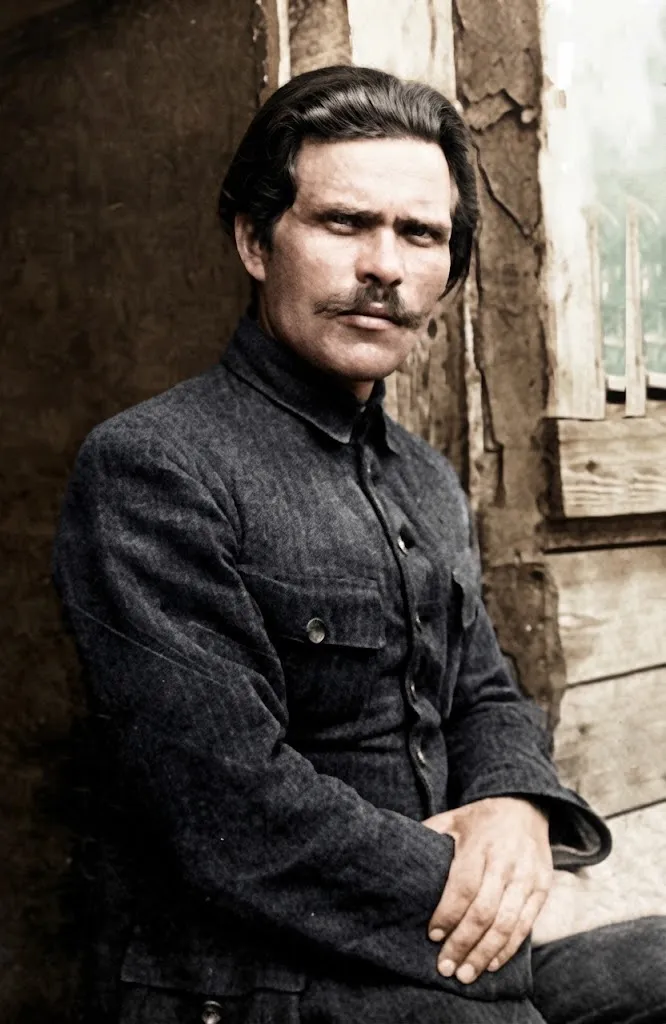
Yurii Tiutiunnyk
UNR Army general, Second Winter Campaign
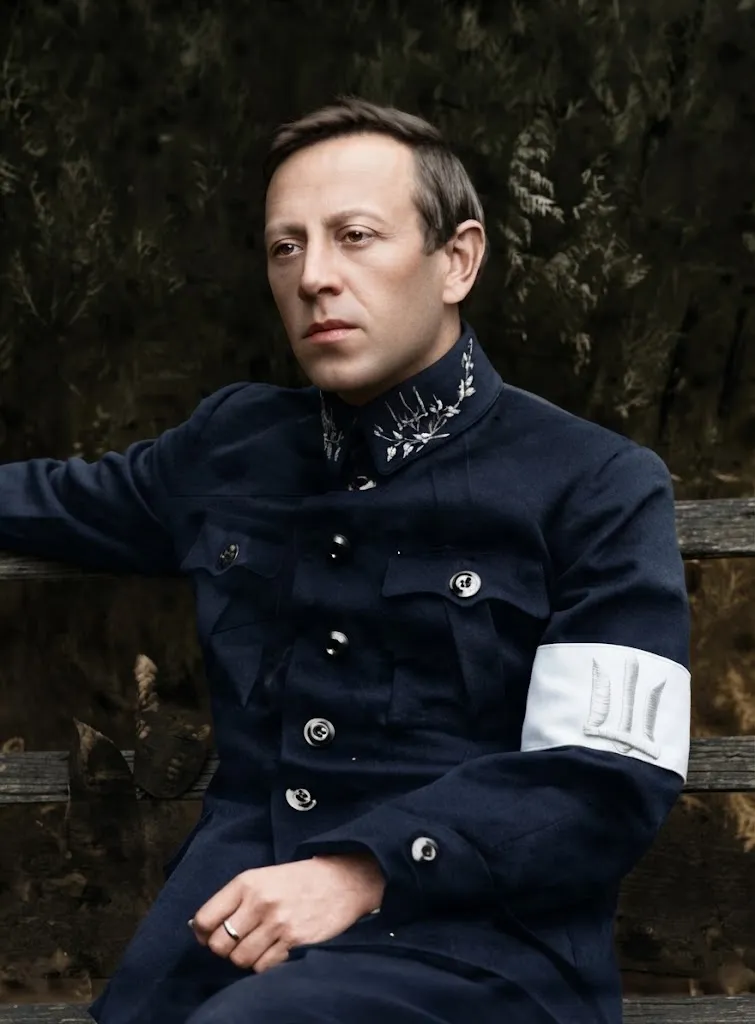
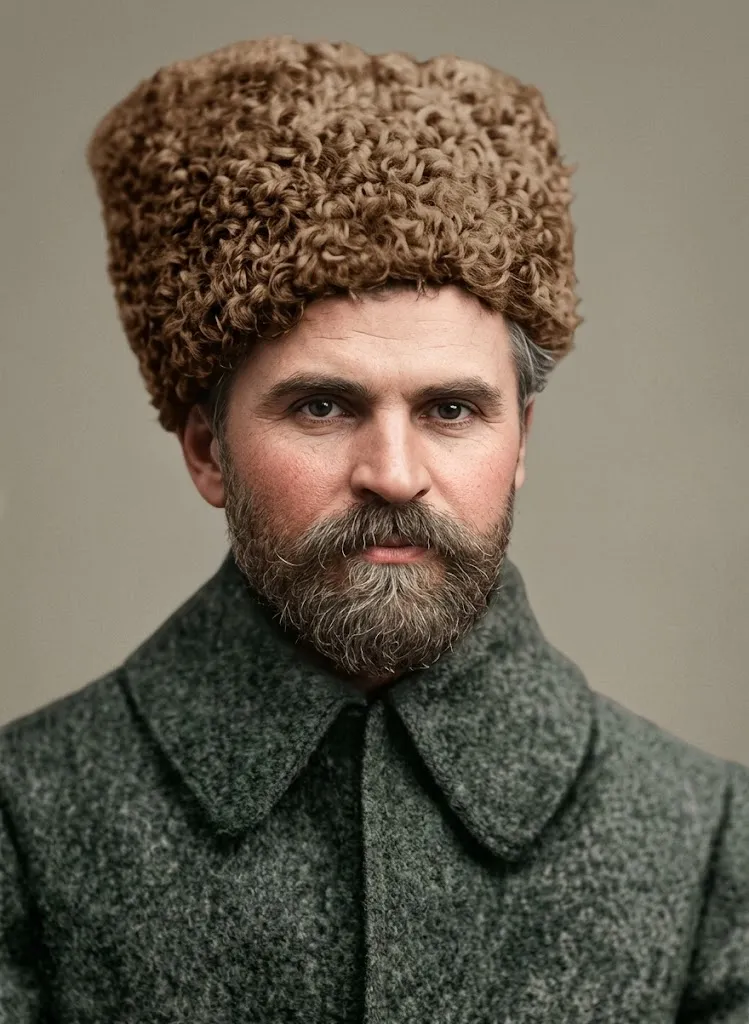
In 1921 he led insurgents into Soviet Ukraine; a few years later he played himself in a Soviet film. Yurii (Yurko) Tiutiunnyk was a UNR Army general and one of the men behind the First Winter Campaign. In 1923 the Soviet secret police lured him into a trap, and in 1930 he was shot.
Key accomplishments
- Otaman of the Free Cossacks of the Zvenyhorod area and one of the leaders of the Zvenyhorod uprising (1918)
- Deputy commander of the UNR Army, one of the initiators and organizers of the First Winter Campaign (1919–1920)
- Commander of the Ukrainian Insurgent Army on the Second Winter Campaign (November 1921)
- Co-author of the script of the film Zvenyhora
An otaman from the Zvenyhorod area
Yurii Tiutiunnyk, known to everyone as Yurko, was born in 1891 into a peasant family in the village of Budyshche near Zvenyhorodka (now in the Cherkasy region). In the First World War he served as an ensign and was wounded twice. In 1917 he threw himself into the Ukrainian military movement and became a member of the Central Rada.
In the spring of 1918 local people elected him otaman of the Free Cossacks of the Zvenyhorod area. That summer he was one of the leaders of the Zvenyhorod uprising against the Austro-German troops and the Hetman’s rule. He was arrested and only got out in December 1918, when the Hetman’s government fell.
From Hryhoriiv to the Winter Campaign
In early 1919 Tiutiunnyk became chief of staff to Otaman Nykyfor Hryhoriiv, whose troops were then fighting on the Red side, and drew up the plan to drive the Entente’s troops out of Kherson and Odesa. Then he backed Hryhoriiv’s uprising against Soviet rule. When it failed, Tiutiunnyk joined the UNR Army with a small band of men.
In December 1919 he became deputy to the army’s commander, Mykhailo Omelianovych-Pavlenko, and one of the initiators and organizers of the First Winter Campaign.
The Second Winter Campaign
In 1921 Symon Petliura asked Tiutiunnyk to set up a Partisan and Insurgent Staff to prepare a general uprising against Soviet rule. In October 1921 Tiutiunnyk took command of the Ukrainian Insurgent Army. In early November about 1,500 men set out from Poland into Ukraine.
The campaign ended in tragedy. Near the village of Bazar in the Zhytomyr region the main group was surrounded. About 400 men were killed and over 500 taken prisoner. The 359 prisoners who refused to join the Red Army were shot. Tiutiunnyk himself fought his way back to Poland with a small unit.
The GPU’s trap
The Soviet secret police (GPU) invented an underground “Supreme Military Council” that supposedly invited Tiutiunnyk to lead an uprising. On the night of 15–16 June 1923 he crossed the Dniester and fell into the hands of the Chekists. After that he agreed to cooperate. He wrote letters to émigrés attacking Petliura, and in 1924 published a memoir, With the Poles against Ukraine, which painted the UNR’s leaders in mostly dark colours. His wife and children were brought to Soviet Ukraine.
In Kharkiv Tiutiunnyk taught at a school for Red officers and worked with the VUFKU film studio. With Maik Yohansen he wrote the script of Zvenyhora, which Oleksandr Dovzhenko reworked and shot, and in the film PKP he played himself.
On 12 February 1929 Tiutiunnyk was arrested again and taken to Moscow. In December the OGPU board sentenced him to death, and on 20 October 1930 he was shot. The general was rehabilitated only in 1997.
Debates and assessments
Views of Tiutiunnyk differ sharply. Some today present him as a hero. Others point out that after 1923 the GPU used him for its own ends: his memoir and letters served as propaganda against the emigration. As early as December 1923 Petliura said that Tiutiunnyk’s political instability was no secret to the émigrés, and in 1925 the literary scholar Serhii Yefremov condemned his memoir in his diary as a pack of lies.
Historians also point to the pressure on him: his family had in effect become hostages of the GPU. Documents from his criminal case, published in 2021, show that even then he compared Soviet rule critically with the rule of the tsars. The philosopher and historian Petro Kraliuk writes that Tiutiunnyk should be made neither a hero nor a criminal: he was a tragic figure.
Why it matters today
A peasant’s son from the Zvenyhorod area became an initiator of the First Winter Campaign and commander of the insurgent army on the Second, and his path shows that people from simple peasant families rose to fight for Ukraine in those years. At the same time his story shows how the Soviet secret services fought the Ukrainian emigration not only with weapons but with traps and propaganda, turning pressure on one man and his family against a whole community. Knowing how these methods worked helps us recognise them today. And the fate of the 359 soldiers shot near Bazar for refusing to join the Red Army is a reminder of what that struggle cost.