1891–1942
Fedir Ernst
Art historian who saved monuments
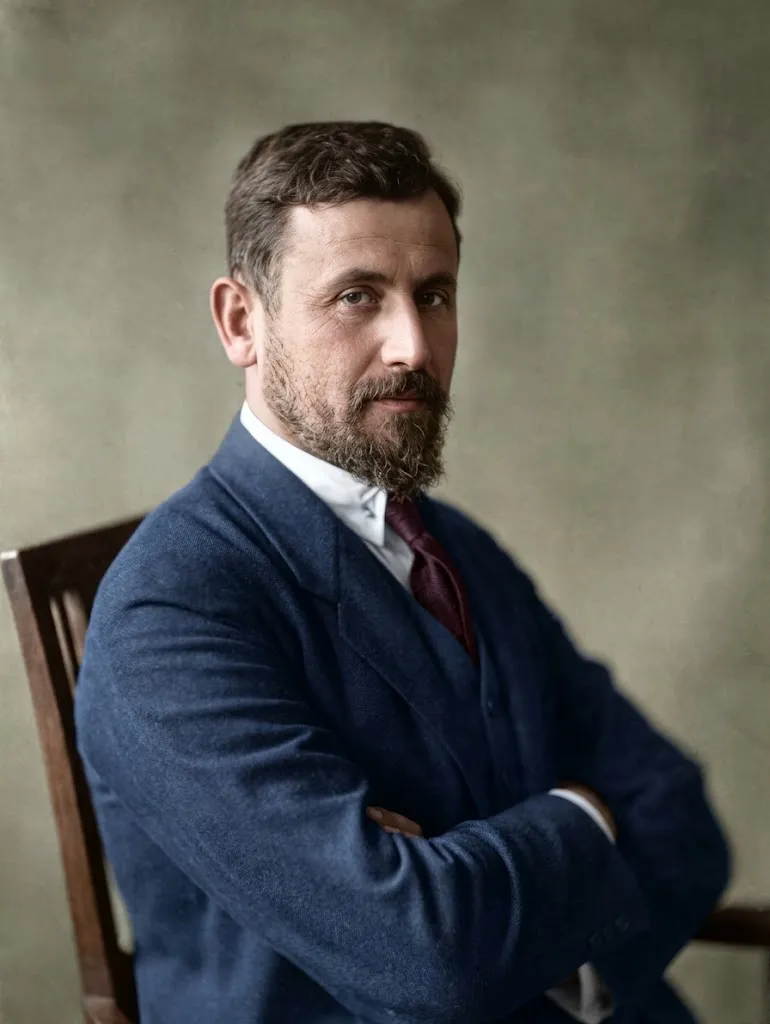
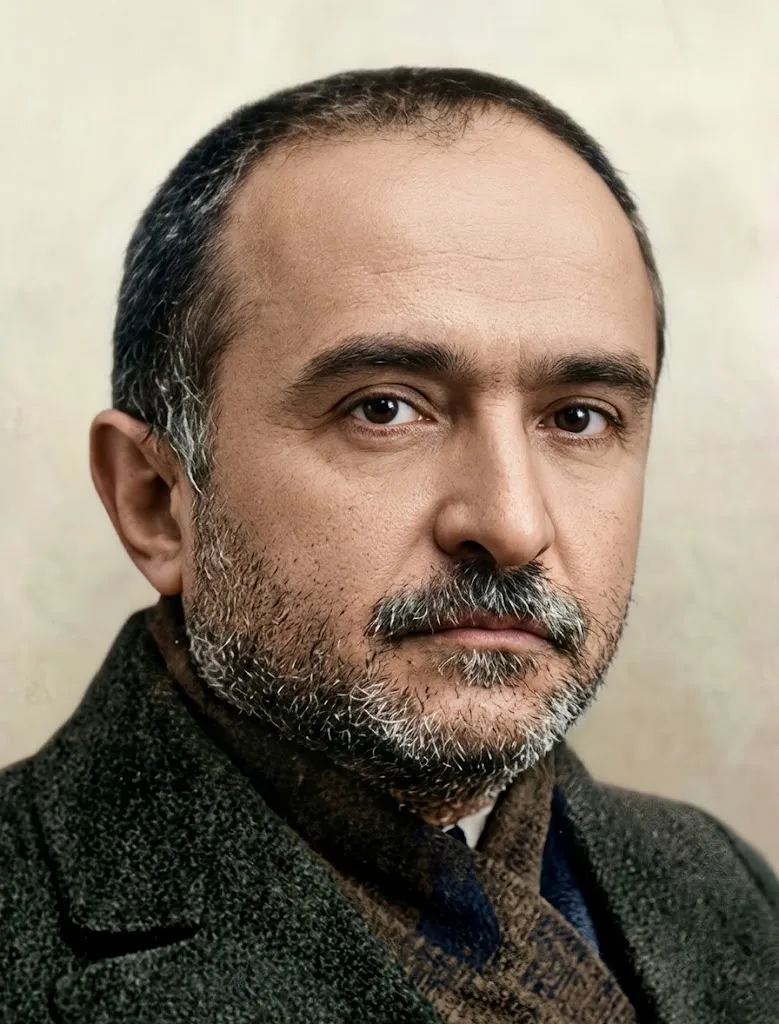
He turned a few hundred museum pieces into five thousand and fought to keep Ukraine’s treasures from being sold abroad. Fedir Ernst, an art historian and museum scholar, recorded old Kyiv and co-founded several museums. He was arrested three times and shot in 1942.
Key accomplishments
- Led the registration of about 160 historic buildings in Kyiv (1917–1922)
- Head of the art department of the All-Ukrainian Historical Museum from 1923; its collection grew from a few hundred works to 5,000
- Co-founder of the Lavra Museum of Cults, the Kyiv Picture Gallery and the Academy of Sciences’ Museum of Arts (now the Khanenko Museum)
- Editor of the guide Kyiv: A Guidebook (1930); studies of 17th–18th-century Ukrainian art, Heorhii Narbut and Shevchenko as a painter
- The 1925 exhibition of Ukrainian portraits; photographs of Kyiv churches later destroyed
Photographs of a lost Kyiv
How do you see a Kyiv church that disappeared long ago? Sometimes, in the photographs of Fedir Ernst. He photographed the city’s old churches, and some of them were later destroyed. Today his pictures help show what they looked like.
A German who studied Ukrainian art
Theodor Richard Ernst was born in 1891 into a family of German origin; sources give his birthplace as either Kyiv or Hlukhiv. He went to school in Hlukhiv, spent a year at Berlin University and then moved to Kyiv University, where he won a gold medal for research on Kyiv architecture of the 17th and 18th centuries. In 1914, at the start of the First World War, he was arrested as a German subject and exiled to Chelyabinsk. He returned to Kyiv in 1917.
Rescuing museum treasures
In the years after the revolution, Ernst led the registration of some 160 historic buildings in Kyiv. From 1923 he headed the art department of the All-Ukrainian Historical Museum, and its collection grew from two or three hundred works to five thousand. He tracked down private and monastery collections so the Bolsheviks could not sell them abroad, and pressed for the return to Ukraine of art treasures that had been taken to museums in central russia. From 1929 he sat on the joint commission for exchanging cultural valuables between Soviet russia and Soviet Ukraine. He co-founded several museums, among them the Academy of Sciences’ Museum of Arts, which now bears the names of Bohdan and Varvara Khanenko. He wrote about Heorhii Narbut and about Taras Shevchenko as a painter, sat on the committees for putting Shevchenko’s grave in order and for building a Shevchenko monument in Kharkiv, and in 1930 edited the guide Kyiv: A Guidebook.
Three arrests
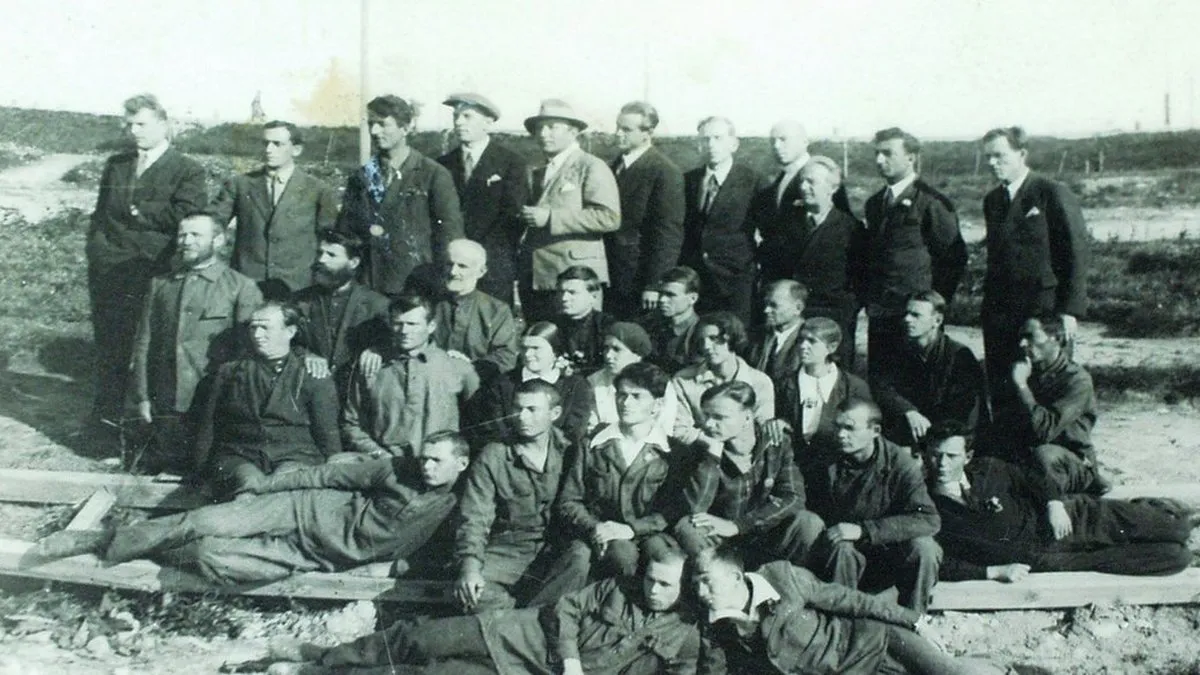
On 23 October 1933 Ernst was arrested in a fabricated case against museum workers and sentenced to three years in the camps. While building the White Sea–Baltic Canal he set up a museum of the canal’s history. After his release he ran the museum of the Moscow–Volga Canal construction in Dmitrov in 1936–1937. His conviction still stood, and people like him were barred from living in the European part of the USSR, so he went on to work in museums in Alma-Ata and Ufa. In 1938 he asked for his conviction to be lifted so he could come back. On 16 July 1941 he was arrested a third time, and on 28 October 1942 he was shot. He was rehabilitated in 1989.
Why it matters today
Fedir Ernst showed that anyone who loves Ukraine’s heritage can protect it, whatever their origin. He kept thousands of works of art for Ukraine that could have vanished abroad or been lost. His records and photographs still help us see a Kyiv that no longer exists. The works he saved are held by Ukrainian museums today. Anyone who stands up for an old building or a family archive is carrying on his work.