1887–1937
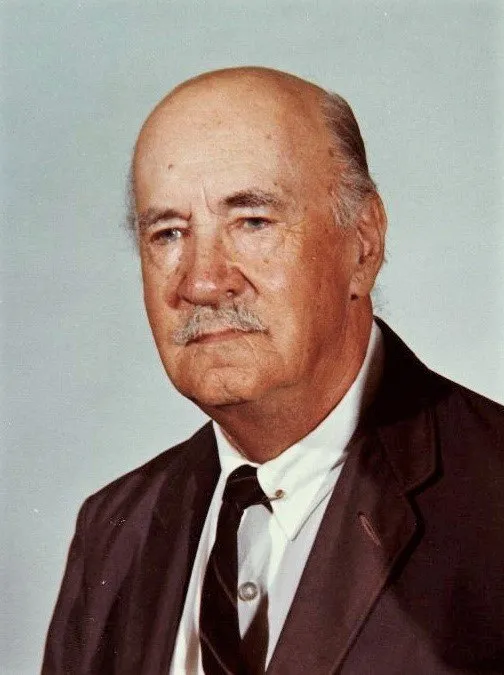
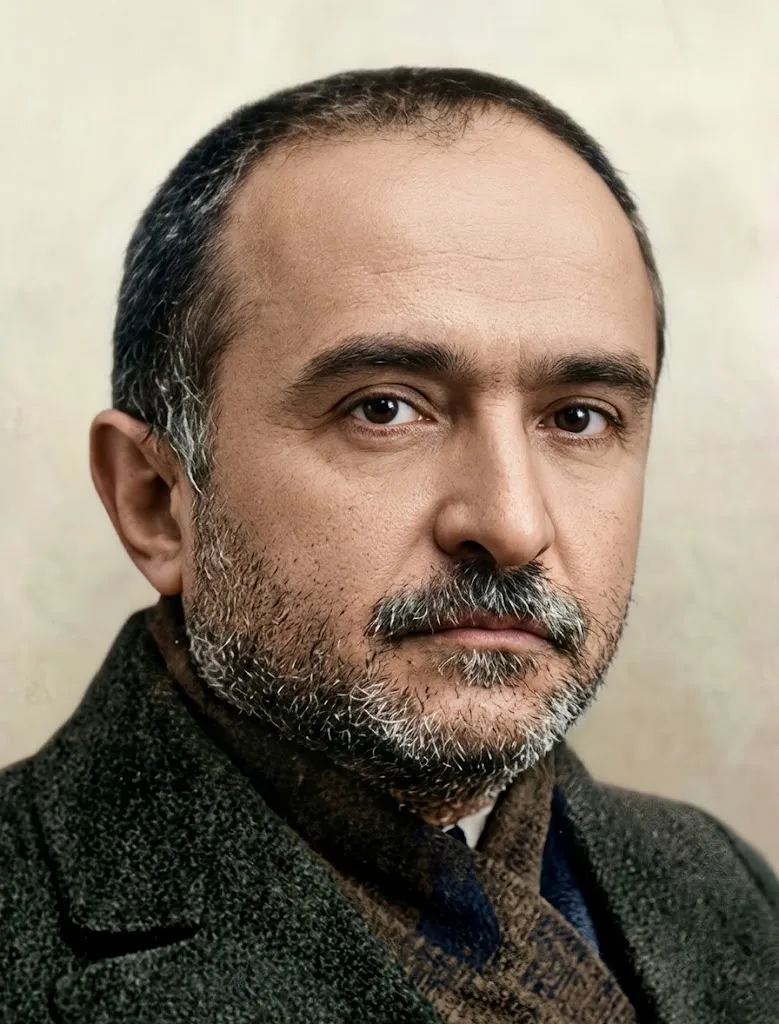
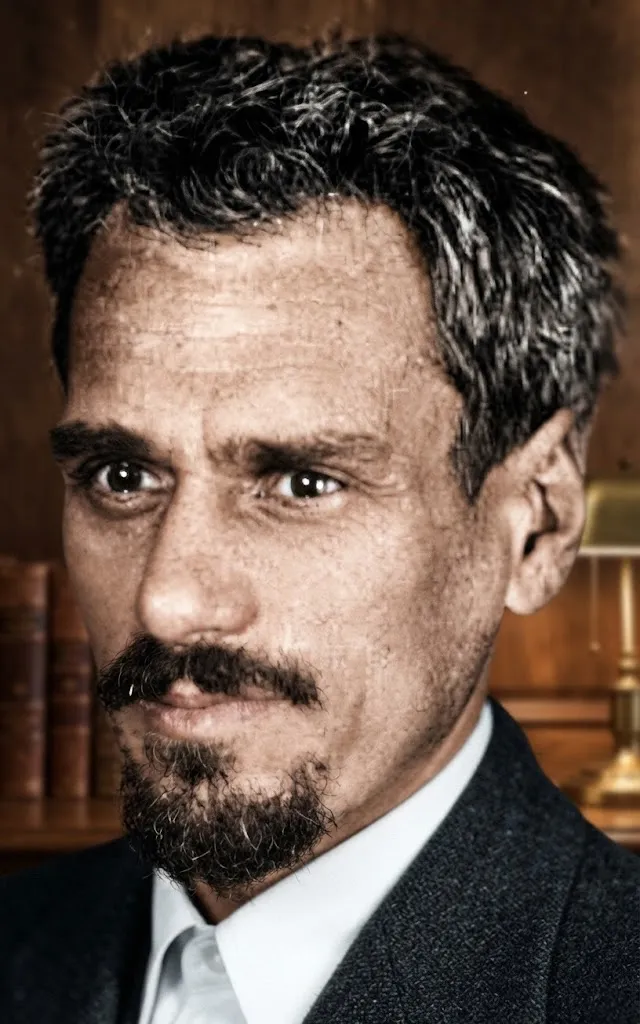
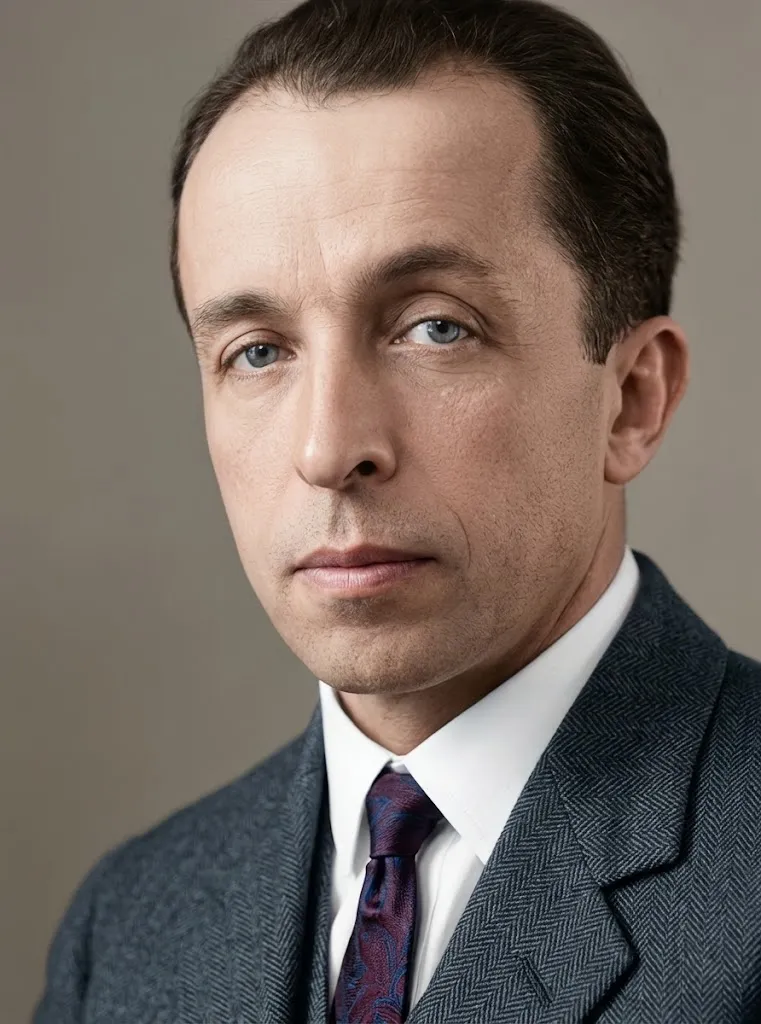
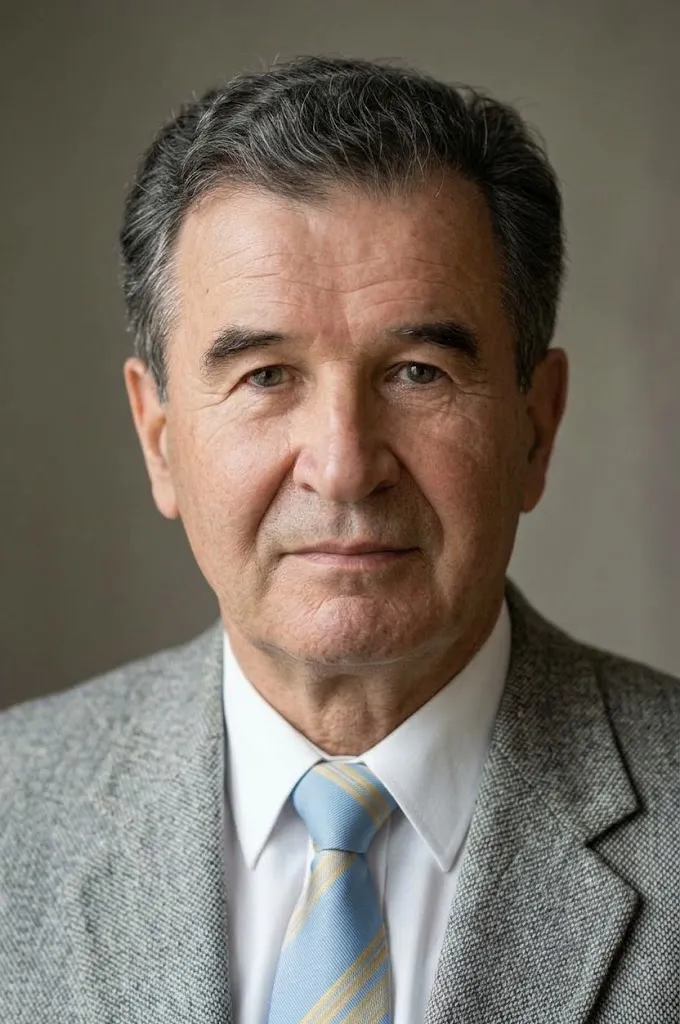
Oleksa Syniavskyi
Linguist, editor of the 1928 orthography
Many of the rules by which Ukrainians write and speak their language survived, while the name of their author was kept quiet for years. Oleksa Syniavskyi edited the 1928 orthography and was the first to describe the norms of literary Ukrainian. In 1937 the Soviet regime had him shot.
Key accomplishments
- Editor of the final text of the Ukrainian Orthography adopted at the orthography conference in Kharkiv in 1927
- The Norms of the Ukrainian Literary Language (1931): the first description of the norms of pronunciation and grammar
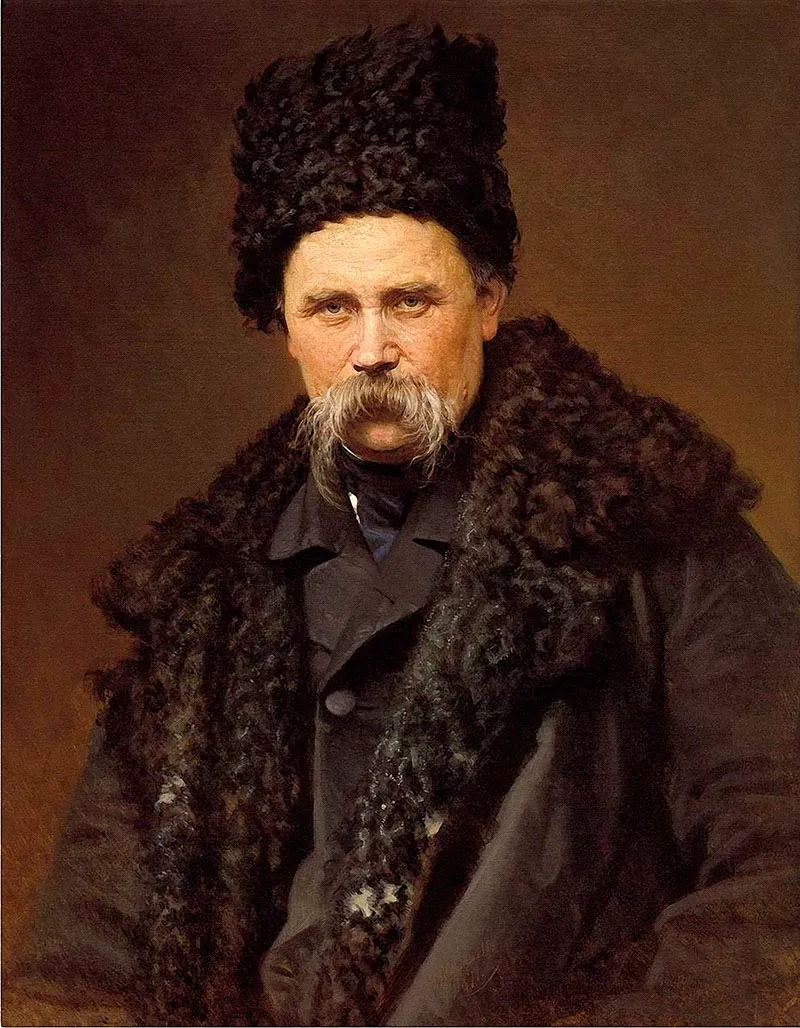
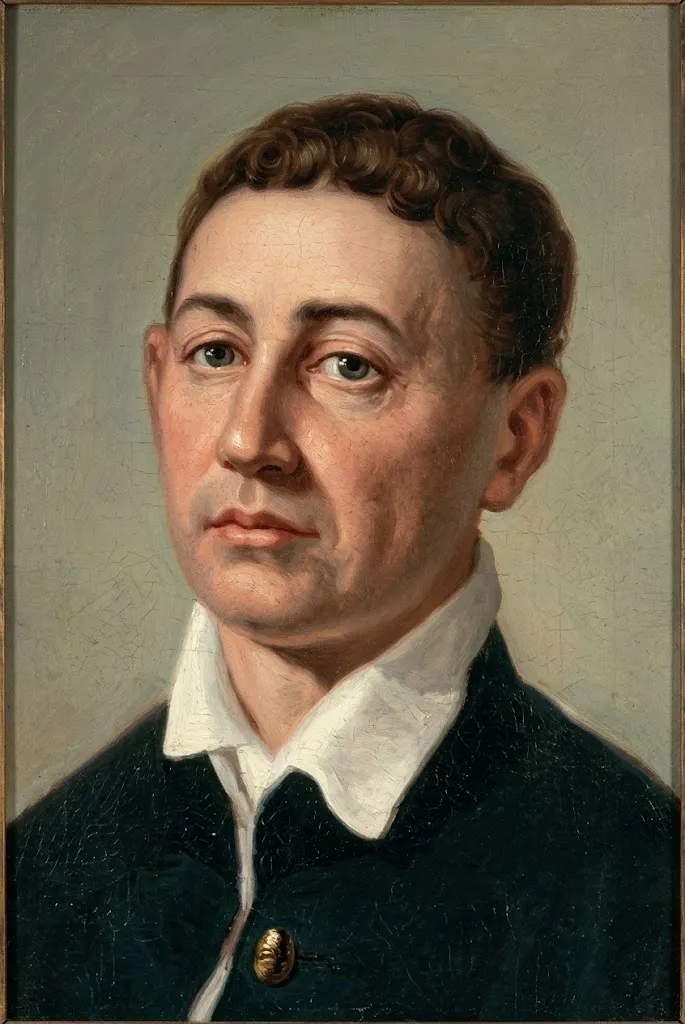
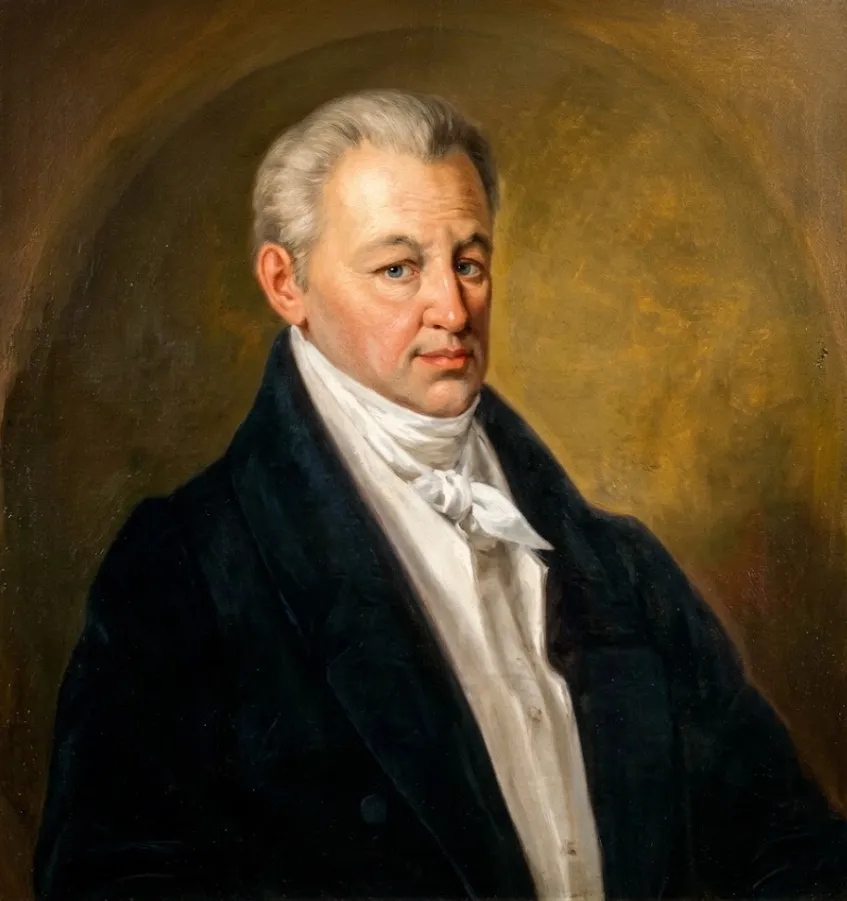
- Studies of the language of Hryhorii Skovoroda, Ivan Kotliarevskyi and Taras Shevchenko
- Delegate to the Central Rada from Kharkiv (1917); professor of Ukrainian in Kharkiv and Kyiv
Rules without their author’s name
The linguist Yurii Shevelov ranked Oleksa Syniavskyi among the people who did the most to shape literary Ukrainian, alongside Taras Shevchenko and Borys Hrinchenko. In the 1930s the Soviet regime declared his work nationalist and harmful, and had him shot. Yet much of what he brought into the language stayed, only without its creator’s name.
A boy from Tavria
Oleksa Syniavskyi was born in 1887 on the Andriivka farmstead (now in Zaporizhzhia region), into a poor peasant family with seven children. At 14 he went to study in Odesa. He passed the gymnasium course as an external student and in 1909 entered Kharkiv University. As a student he described the dialect of the village of Pokrovske in the Katerynoslav province, and the university awarded this unpublished work a silver medal.
A banned celebration
The authorities banned any celebration of Shevchenko’s centenary in 1914. Ukrainian students in Kharkiv decided to demonstrate, and Syniavskyi and his friend Dmytro Solovei prepared the march. He was arrested for it and exiled to Poltava for two years under police watch. Back in Kharkiv, he finished his degree as an external student in 1916.
After the 1917 revolution Syniavskyi was elected to the Central Rada from Kharkiv. That autumn he became the administrator of the first Ukrainian gymnasium in Slobozhanshchyna, and taught there himself.
One orthography for everyone
Syniavskyi became a professor of Ukrainian in Kharkiv in 1920. He studied the language of Hryhorii Skovoroda, Ivan Kotliarevskyi and Shevchenko to understand how the literary language had taken shape. In 1925–1928 he sat on the commission that put Ukrainian spelling in order, and he edited the final text, adopted at a conference in Kharkiv in 1927. Scholars call him the main driving force behind the 1928 orthography. In 1931 his Norms of the Ukrainian Literary Language came out: he was the first to describe how words should be pronounced and forms built. Shevelov later wrote that these norms rested not on pushing away from something foreign but on Ukrainian’s own tradition.
Shot for a language
Later Syniavskyi moved to Kyiv, where he worked at the Academy of Sciences and taught at the university. On 4 August 1937 he was arrested and accused of nationalism. Oleksa Syniavskyi was shot in Kyiv on 24 October 1937, at the age of 50. He was rehabilitated in 1958.
Why it matters today
Oleksa Syniavskyi helped give Ukrainian a shared set of rules, the same for everyone who writes it. He built them not on pushing away from another language but on Ukrainian’s own tradition. The regime shot him and struck out his name, but it could not undo what he had put in order. Anyone who writes good Ukrainian today is using his work.