1873–1924
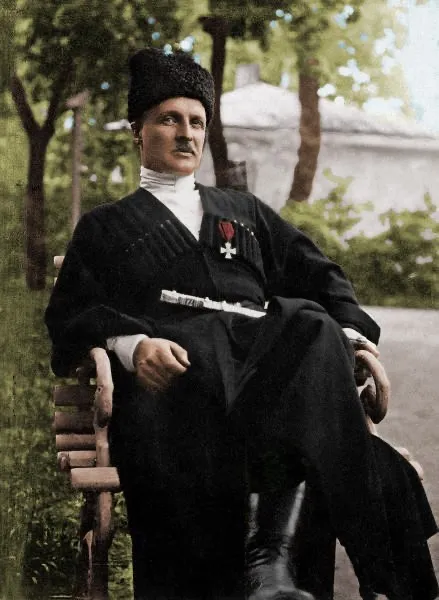
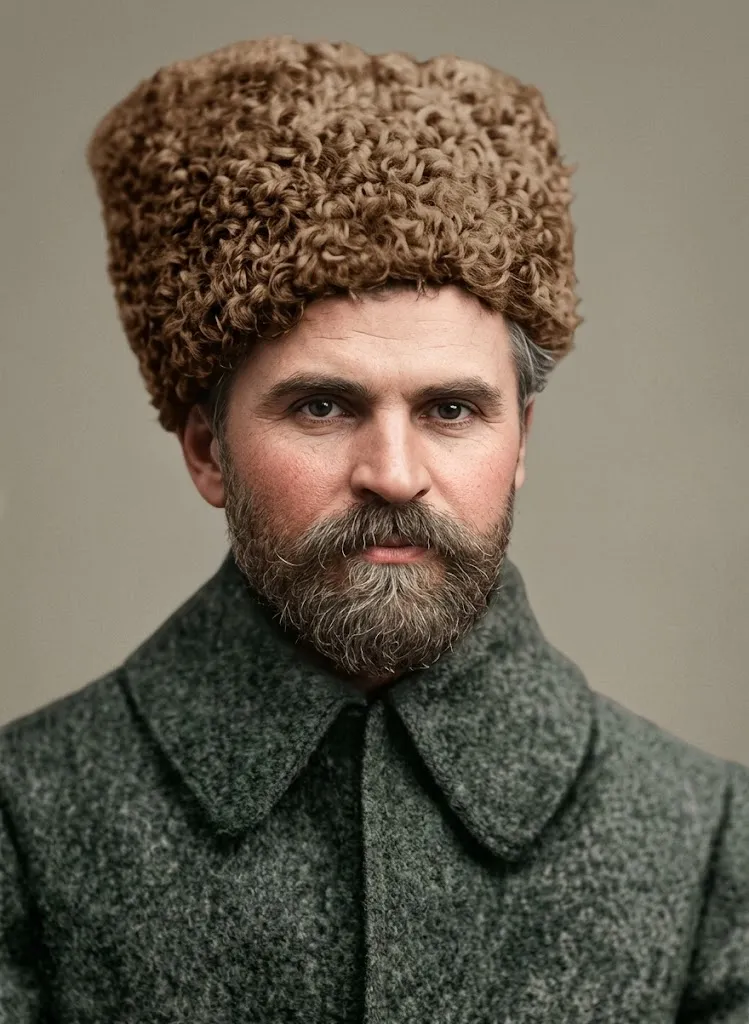
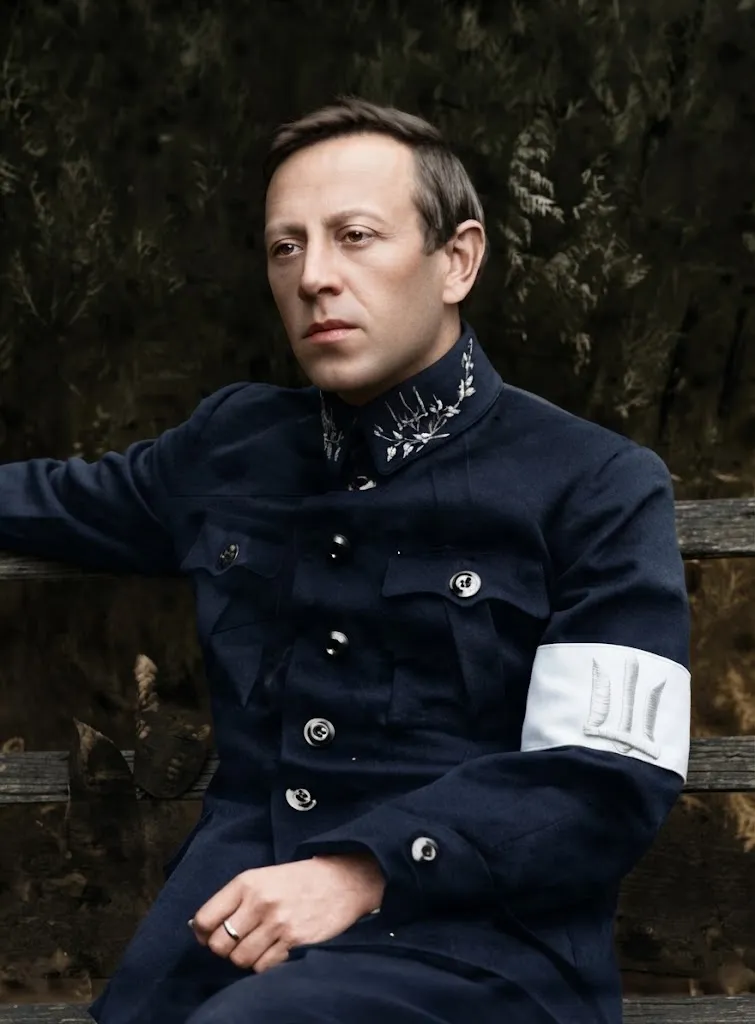
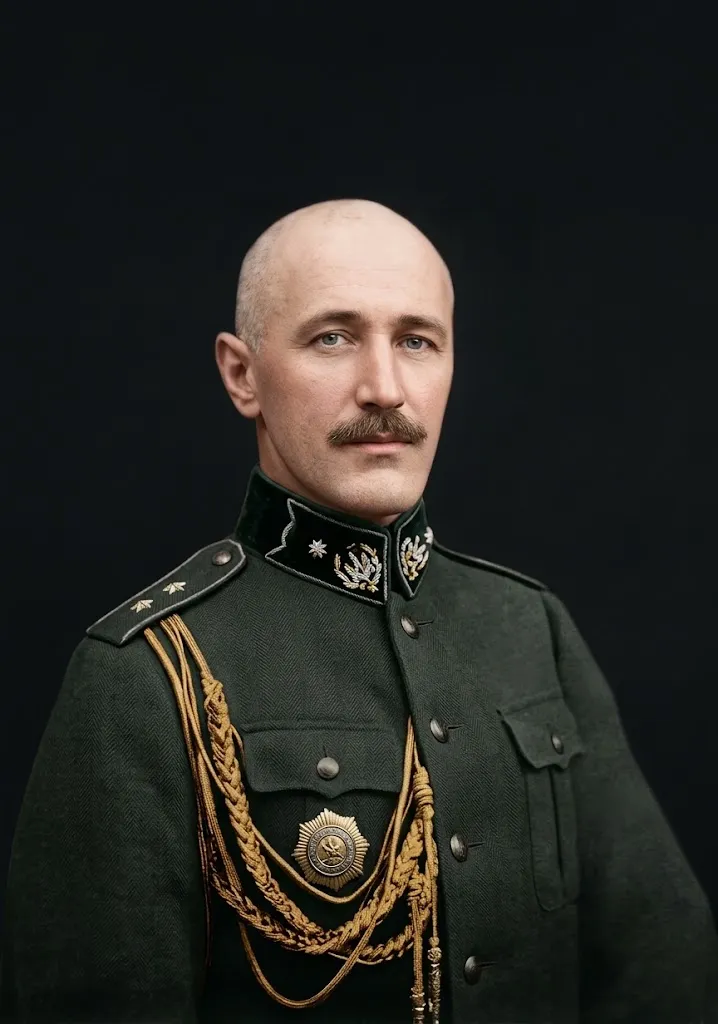
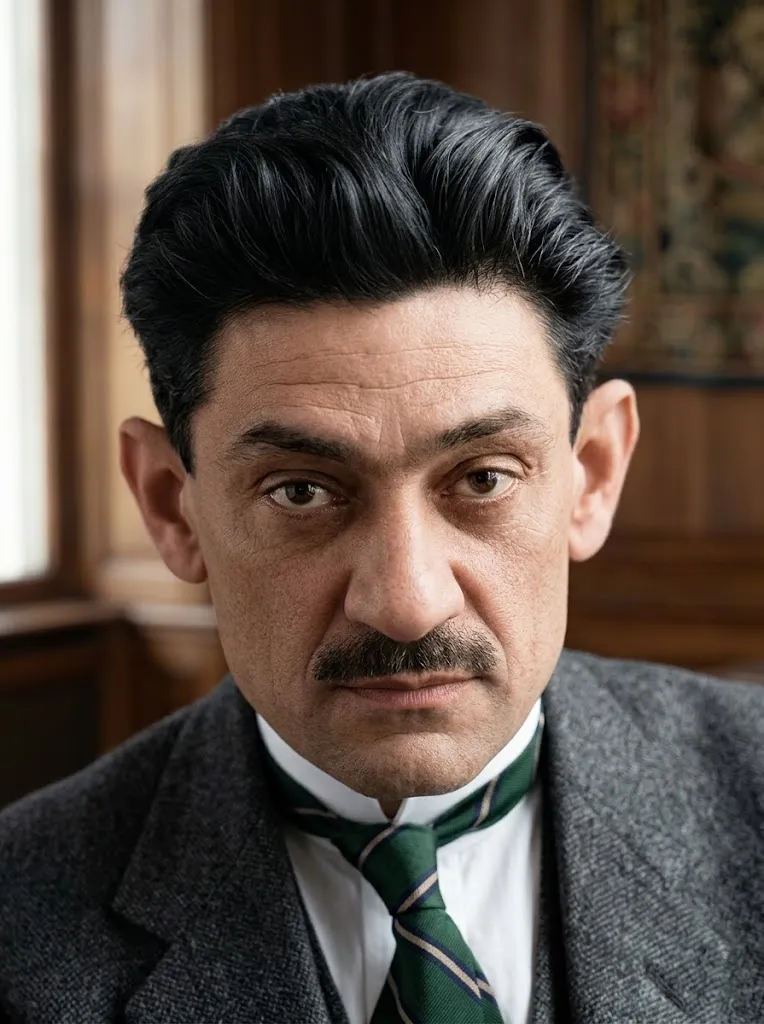
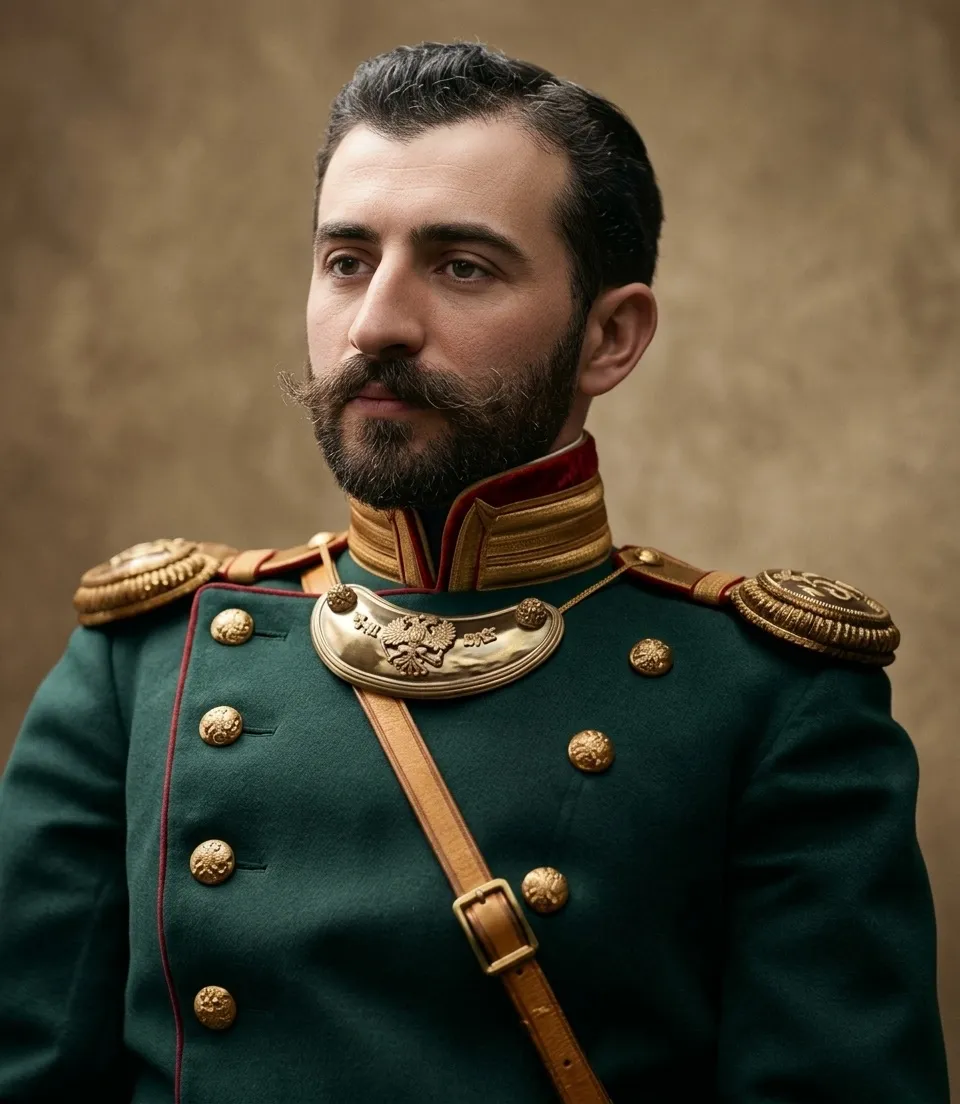
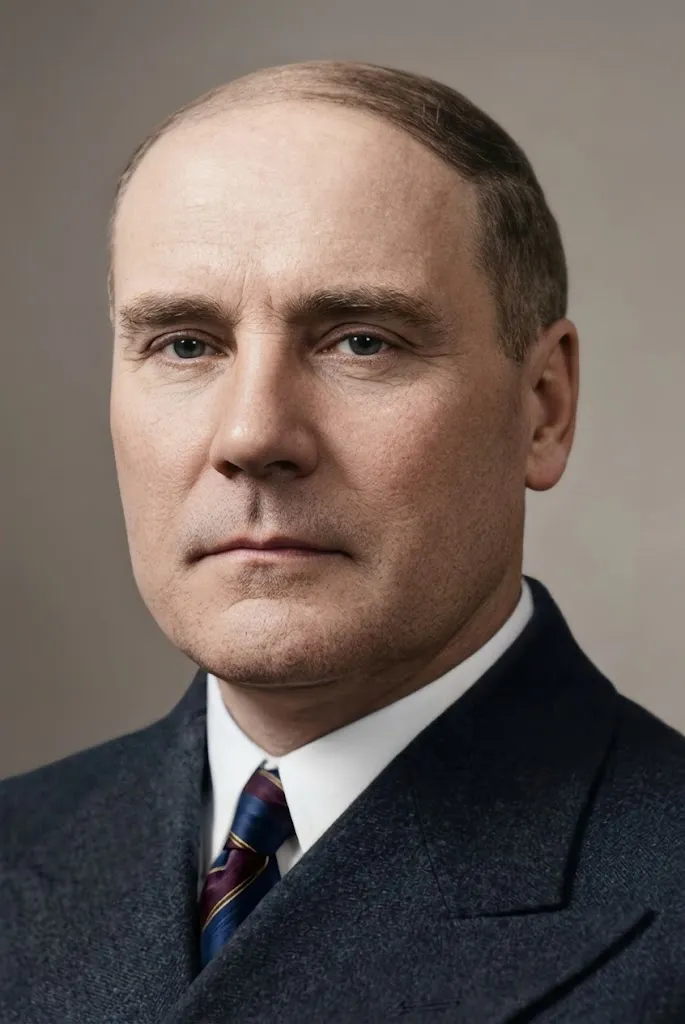
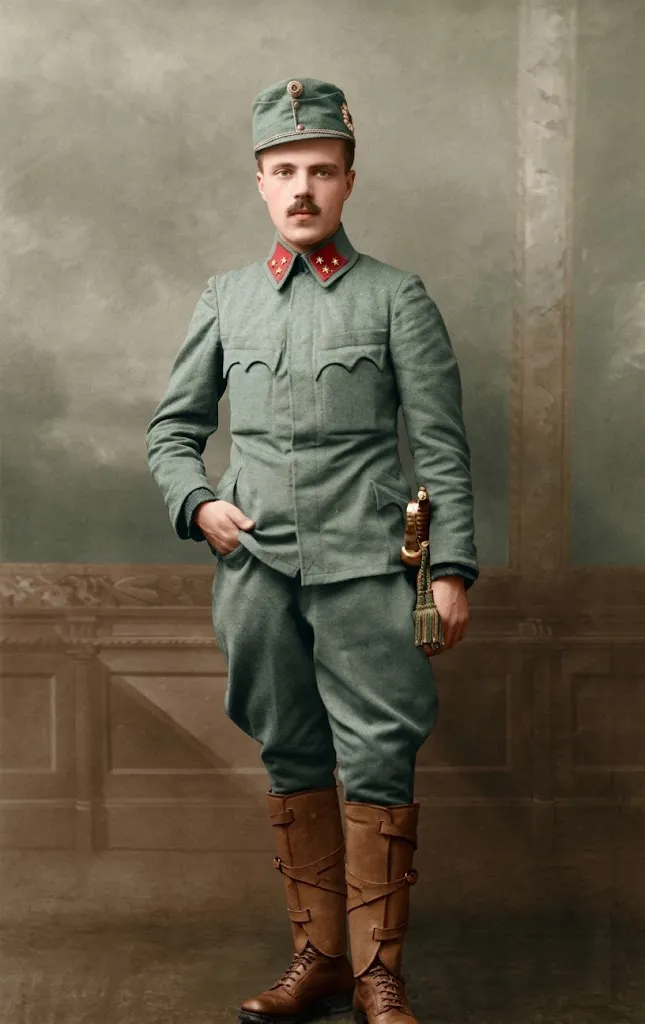
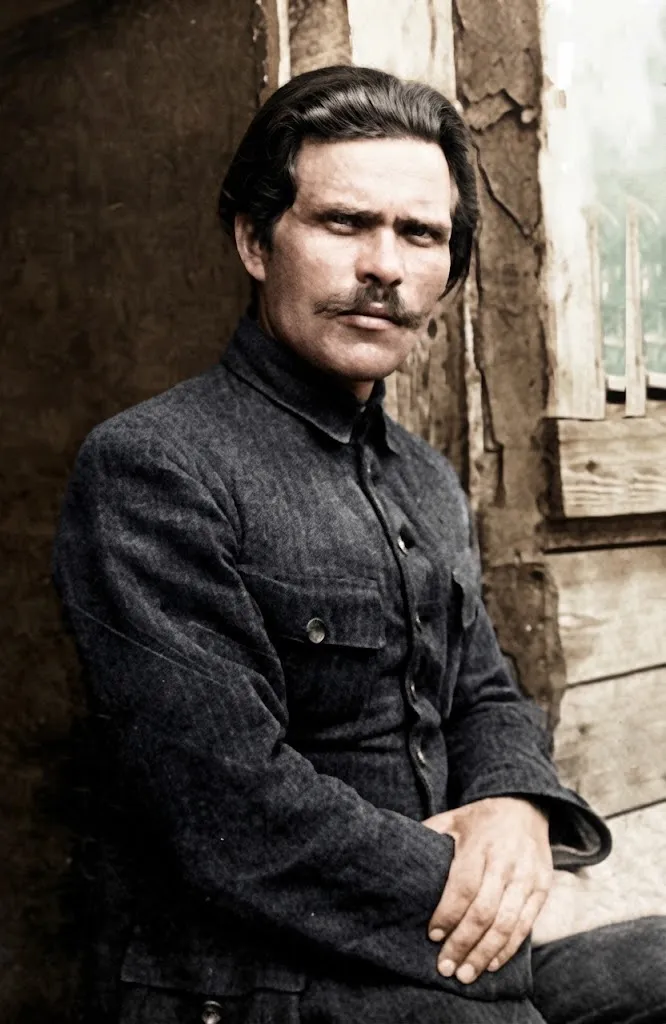
Mykola Mikhnovskyi
Lawyer and ideologue of independence
Independent Ukraine: that was the title a Kharkiv lawyer, Mykola Mikhnovskyi, gave in 1900 to a speech that became a programme for a free Ukrainian state. He founded the Ukrainian People's Party, and in 1917 set out to build a Ukrainian army. His nationalism is still debated.
Key accomplishments
- Wrote the pamphlet Independent Ukraine (Samostiina Ukraina, 1900), the early programme of the Revolutionary Ukrainian Party
- Co-founded the Ukrainian People's Party (1902) and wrote its programme and its “Ten Commandments”
- Co-wrote a draft constitution for an independent Ukraine, the “Basic Law of Independent Ukraine”
- In 1917 founded the Polubotok Ukrainian Military Club and helped form the Bohdan Khmelnytskyi Regiment
A speech that became a programme
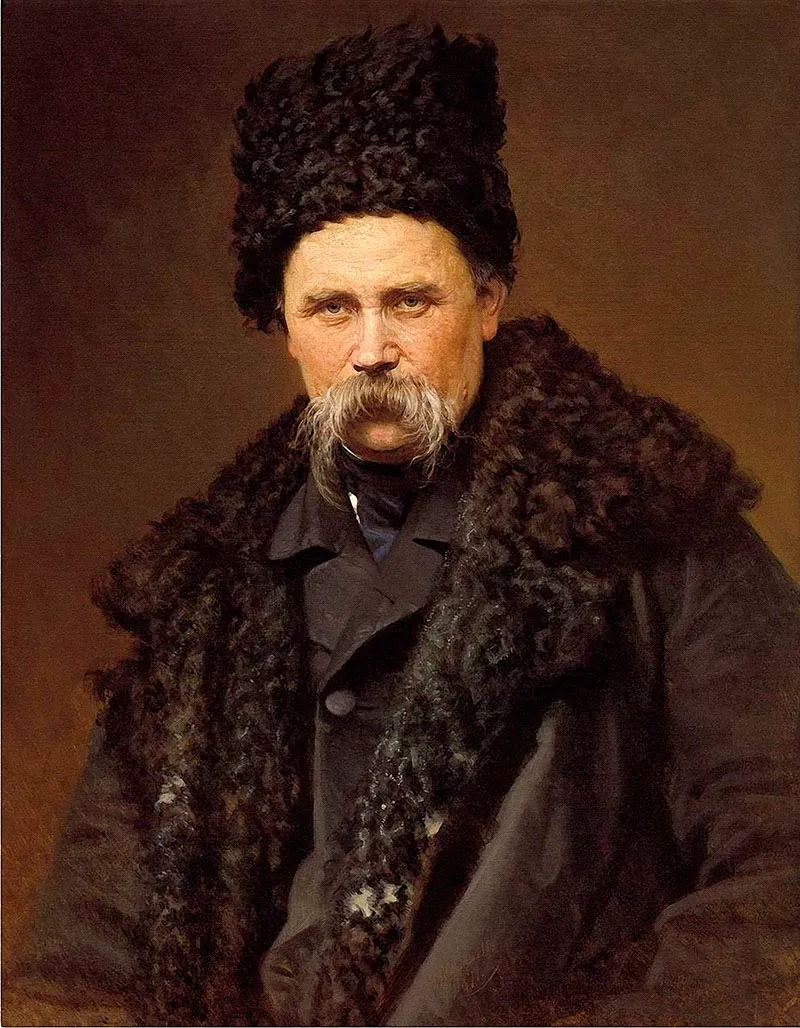
Can you demand independence for a country that isn’t on any map? In the winter of 1900, at gatherings in memory of Taras Shevchenko in Poltava and Kharkiv, the lawyer Mykola Mikhnovskyi gave speeches about exactly that. The same year they were printed in Lviv as a pamphlet, Independent Ukraine. Its core idea: Ukrainians must have a state of their own, and the only thing left to discuss with russia was “the means and methods of the struggle”. The pamphlet became the programme of the Revolutionary Ukrainian Party.
A priest’s son from Turivka
Mikhnovskyi was born on 31 March 1873 in the village of Turivka (now in Kyiv region), the son of a village priest. He studied law at Kyiv University, and as a student in 1891 he was one of the founders of the secret Brotherhood of Taras. In 1899 he moved to Kharkiv and worked as a lawyer.
A party for independence
When most of the Revolutionary Ukrainian Party moved away from independence, Mikhnovskyi helped found the Ukrainian People’s Party in 1902. He wrote its programme and its “Ten Commandments”, and later co-wrote a draft constitution for an independent Ukraine.
1917: an army first
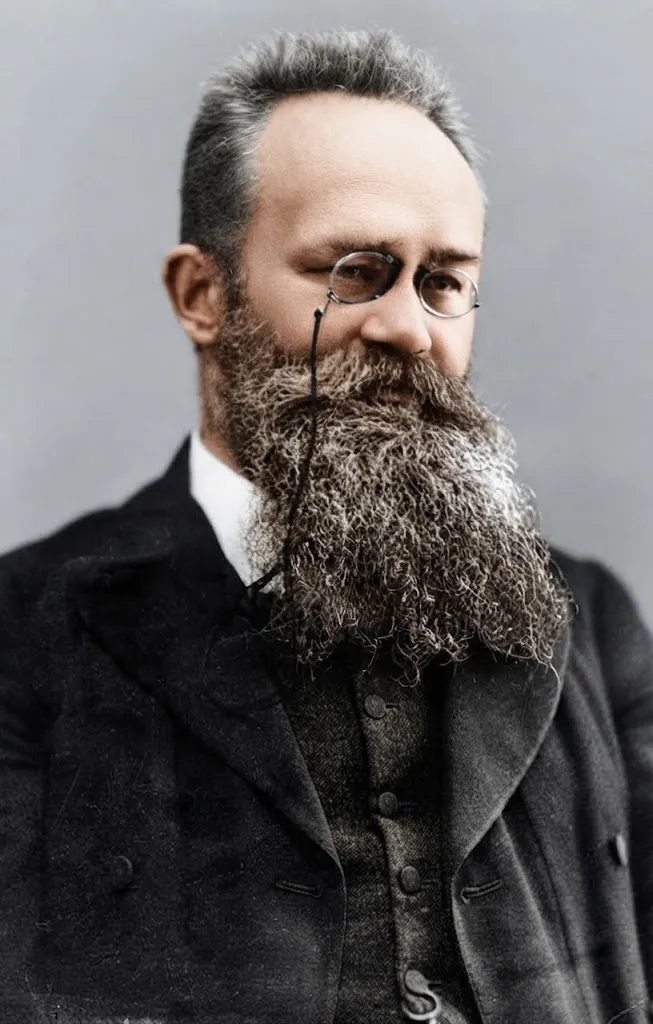
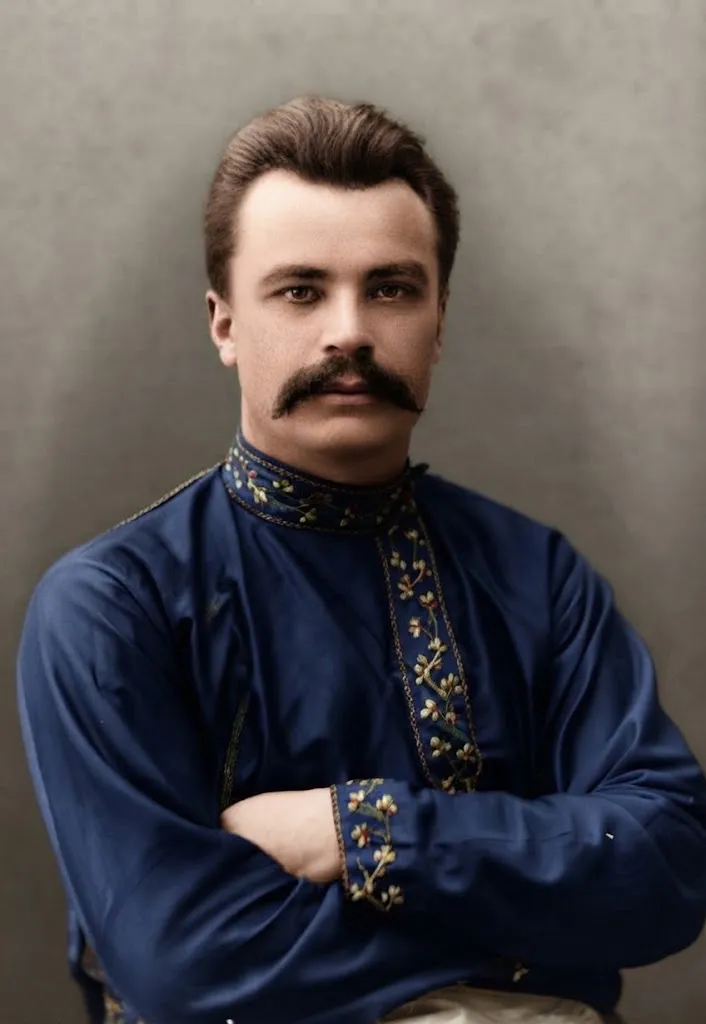
After the fall of the tsar, Mikhnovskyi argued that only an army of its own could keep Ukraine free. He founded the Polubotok Ukrainian Military Club and helped form the Bohdan Khmelnytskyi Regiment. The leaders of the Central Rada, Mykhailo Hrushevskyi and Volodymyr Vynnychenko, still hoped for a federation with a democratic russia and did not back him; in the summer of 1917 Mikhnovskyi was sent to the Romanian front. In 1918, when Hetman Pavlo Skoropadskyi proclaimed a federation with russia, Mikhnovskyi joined the uprising against him.
Under the Bolsheviks he was imprisoned; later he lived in the Kuban and worked as a teacher. In the spring of 1924 he came back to Kyiv and was promptly arrested by the Soviet secret police (GPU). On 3 May 1924 Mikhnovskyi was found hanged in the garden of his friend Volodymyr Shemet’s house. His death is linked to relentless persecution by the Soviet authorities.
Debates and assessments
In his lifetime, moderate Ukrainian politicians mostly saw Mikhnovskyi as a dangerous and eccentric extremist. Historians note his difficult, fiery character: he quarrelled often and never built a strong movement around himself.
The most contested text is the “Ten Commandments” of the Ukrainian People’s Party (1903). The second one reads: “All people are your brothers, but Muscovites, Poles, Hungarians, Romanians and Jews are enemies of your people for as long as they rule over us and exploit us.” Even his contemporaries criticised it as chauvinism. His supporters stressed the words “for as long as they rule”, and scholars note that his draft constitution placed no limits on citizens of other nationalities, with one exception: ministers had to be Ukrainian by birth. In 1904 he took part in an attempt to blow up the Pushkin monument in Kharkiv.
Some historians see him as more far-sighted than the leaders of the Central Rada and find his warnings about russia relevant today. Others write about his intolerance of others and note that his ideas found little support in 1917–1918.
Why it matters today
When most of the national movement asked only for autonomy, Mikhnovskyi insisted on full independence from russia. His pamphlet Independent Ukraine turned the idea of a state of Ukraine’s own into a political programme, and in 1917 he argued that only an army of its own could keep Ukraine free, and set about building one. His ideas shaped the generation of the 1920s and 1930s, above all in Western Ukraine and in the emigration. A century after his death, the question of how to live next to russia has again become a question of survival.